







- Where
- Volterra, Tuscany
- Directions
- Directions
The Pinacoteca Civica of Volterra, known as the Pinacoteca e Museo Civico, is the city's picture gallery and civic museum, and it is housed in Palazzo Minucci-Solaini, a Renaissance palace in the old centre, which is attributed to the architect Antonio da Sangallo the Elder. Volterra is a hill town in Tuscany that was a powerful Etruscan city, and the gallery shows that the town was also an important place in the Renaissance.
The museum has a long history. It was founded by the Municipality of Volterra in 1868 with works transferred from the Palazzo dei Priori, the medieval town hall. In 1905, under the direction of the art historian Corrado Ricci, a new exhibition called the Galleria Pittorica was opened in the Palazzo dei Priori, with key works by artists such as Rosso Fiorentino, Taddeo di Bartolo and Luca Signorelli. Over time the collection grew, and because of lack of space the whole group was moved to its present location in 1982, where it has been displayed ever since.
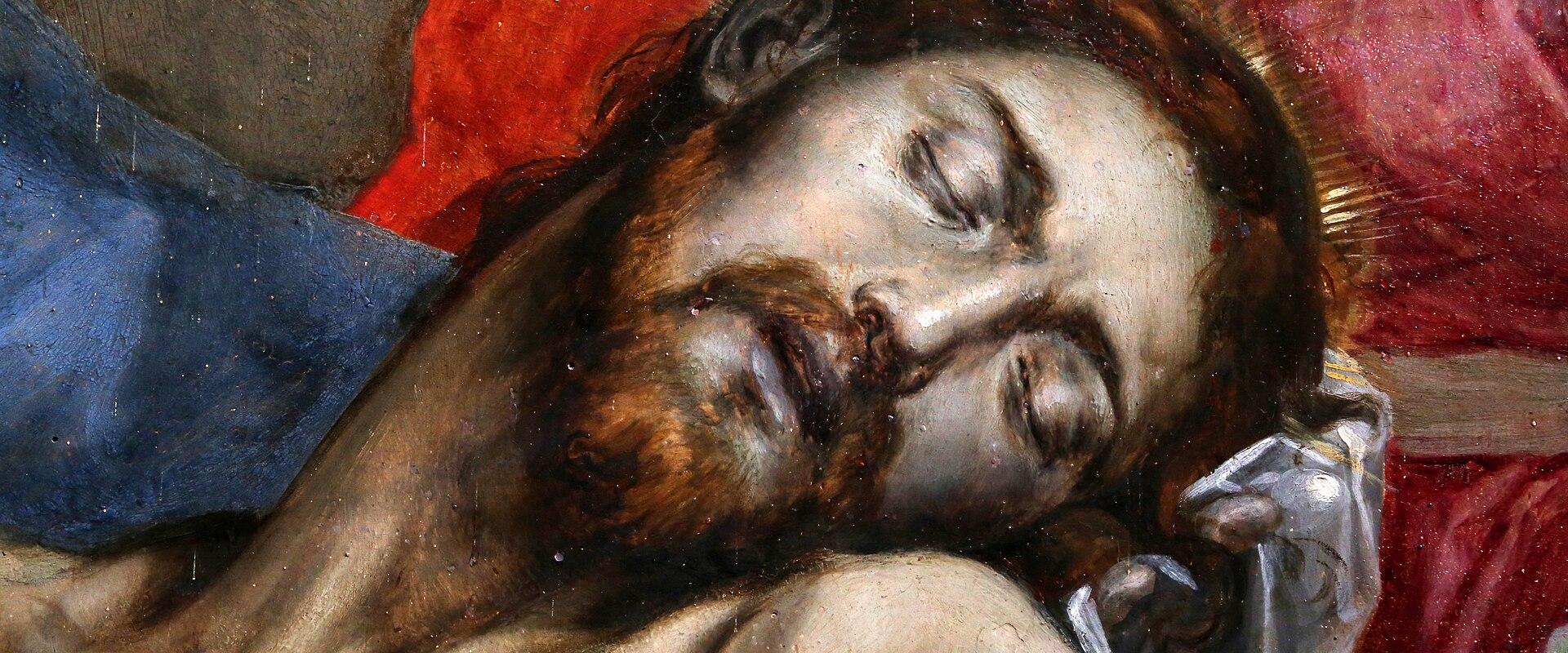
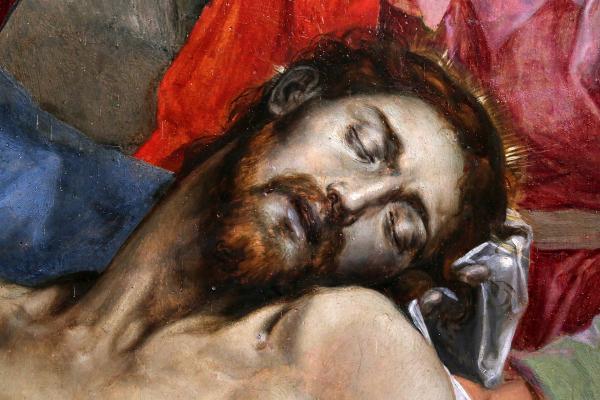
The most famous work is the Deposition by Rosso Fiorentino, painted in 1521, a masterpiece of Mannerism. It shows the descent of Christ from the cross in sharp, angular forms and acid colours, with gestures that are tense and strange, and it is considered one of the most original paintings of the sixteenth century. It is displayed in a room of its own, and many people come to Volterra specially to see it. Luca Signorelli, the painter from Cortona, is represented by an Annunciation of 1491 with a clear, firm style, and Taddeo di Bartolo, the Sienese painter, by a polyptych. There are also works by Florentine masters of the fifteenth century, among them a luminous Christ in Glory by Domenico Ghirlandaio, with saints in an airy composition.
Beyond paintings, the institution has grown to include sculpture, ceramics, medals and coins, evolving into a comprehensive civic museum. Visitors can explore a rich array of Etruscan and Renaissance art, and the Comune di Volterra runs the museum, which gives insight into the cultural history of the Volterra region. The Etruscan story is told more fully in the Museo Etrusco Guarnacci, one of the oldest public museums in Europe, which is nearby and has a famous collection of funerary urns made of alabaster.
Volterra’s old centre is compact, with the Piazza dei Priori at its core, and walls that enclose a landscape of tower houses and narrow lanes. The Roman theatre, the cathedral and the alabaster workshops, where craftsmen carve the local stone, are within walking distance. The town's position on a high ridge gives long views over the Tuscan countryside, and the Pinacoteca fits into a half day. A combined ticket may include several museums, so check locally. Dress for cool, damp conditions in winter.
Categories
More photos coming soon
Nearby Attractions
Other places to visit in Volterra
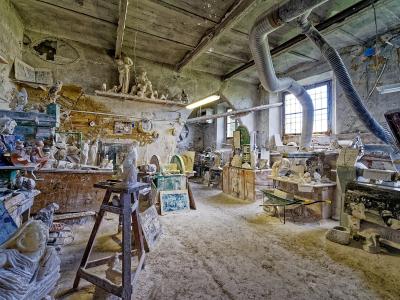
Alabaster Workshops
Ecomuseum preserving Volterra's ancient alabaster craft
History & Heritage · Museums & Culture
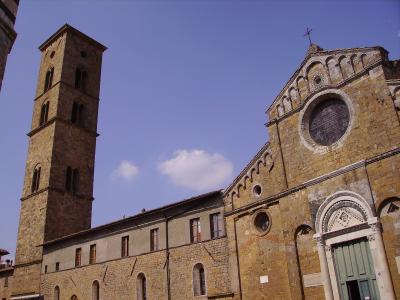
Duomo di Volterra (Cathedral of Santa Maria Assunta)
12th-century Romanesque cathedral with Tuscan marble bands
Architectural Monuments · Historic Churches
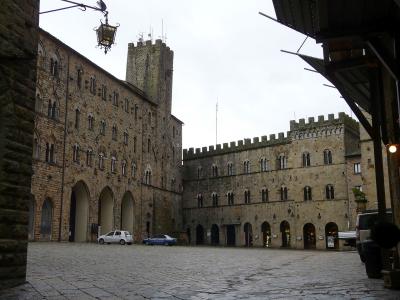
Piazza dei Priori
Volterra's main square with Italy's oldest town hall
Historic Districts · Historic Palaces
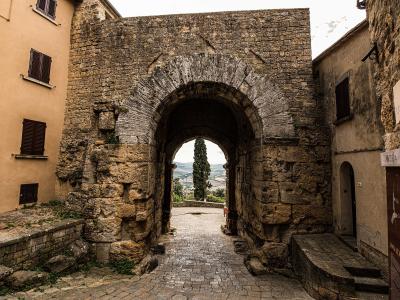
Porta all'Arco
3rd-century BCE Etruscan gate with three stone heads
Ancient Ruins · Architectural Monuments
Questions people ask
Quick Facts
Best Time to Visit
Visit between April and June or September and October for mild temperatures and fewer crowds.