







- Admission
- €3.00
- Hours
- Tuesday through Sunday 10:00 AM to 6:00 PM (closed Mondays)
- Where
- Vicenza, Veneto and the Dolomites
- Directions
- Directions
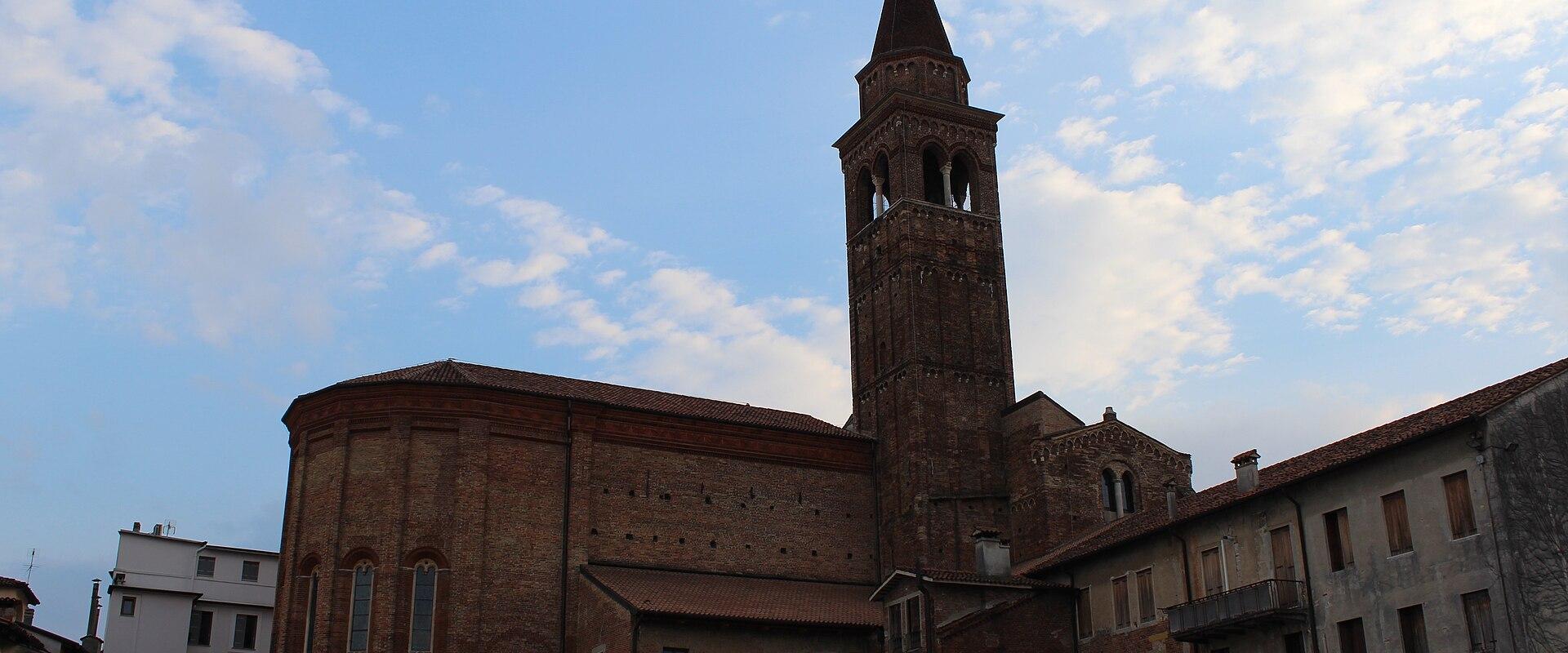
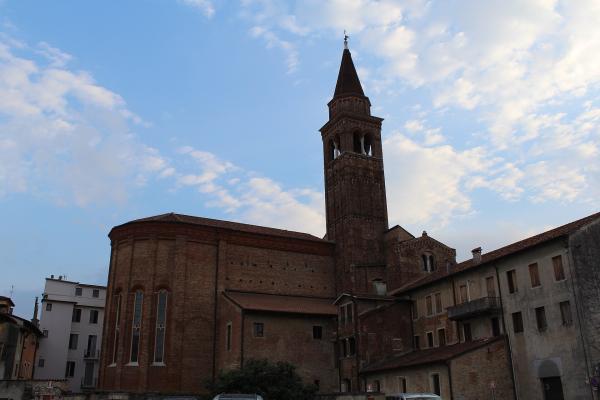
The Church of Santa Corona is a Gothic church in the centre of Vicenza, in the Veneto, on Corso Palladio, close to the Basilica Palladiana and the Teatro Olimpico, and it is one of the city's most significant landmarks. It was founded in 1261 by the Dominican Order and built to house the relic of the Holy Thorn, a fragment of the Crown of Thorns of Christ, which had been given to the bishop of Vicenza by King Louis IX of France, and which attracts visitors interested in religious history. The name Santa Corona, the Holy Crown, recalls the relic, which is kept in a reliquary and displayed on certain feast days.
The church was built in brick in the sober Gothic style favoured by the Dominicans, with a tall, plain facade and a wide nave without aisle chapels, and its austere exterior hides a rich collection of art. The church is a repository for important Renaissance artworks, making it a key cultural site in the city, and the paintings it holds show the artistic richness of the Venetian school in Italy. Visitors can view Giovanni Bellini’s Baptism of Christ, painted around 1500 to 1502 for the high altar of one of the chapels, in which Christ stands on the bank of the Jordan in a calm landscape of rocks and trees, with the dove above him, and the figures have a gentle stillness. Close to it hangs Paolo Veronese’s Adoration of the Magi, a canvas of about 1573 in rich colours, painted in his typical manner, with the figures in sumptuous silks, glowing against a rich sky. Together they highlight the artistic richness of the Venetian school.
A notable architectural feature is the Valmarana Chapel, designed by Andrea Palladio around 1576, a small domed chapel that is considered a jewel of Palladian architecture, showing his early mastery of classical forms in an interior setting. It was built for the Valmarana family, and its harmonious design, with a square plan and a shallow dome, is a good example of how Palladio handled proportion on a small scale. The site also holds historical significance as the original burial place of Andrea Palladio, who died in 1580 and was first buried in the church, though his tomb was later moved to the city cemetery.
Beside the church, the former Dominican convent, with its cloisters, houses the Museo Naturalistico Archeologico, the natural history and archaeological museum of the city, which is worth a visit for those with time.
For visitors, the church is usually open every day with a break at midday, but opening times differ on Sunday and on Mondays, and some parts may be closed on Tuesday, so check the schedule, since it may change with services. There is a small entry fee for the church, which is combined with other museums on a joint ticket. Dress modestly.
Allow forty minutes. The church is a few steps from Piazza dei Signori, Palazzo Chiericati and the Teatro Olimpico, so it fits easily into a walk through Vicenza’s Palladian streets. The great painters and architects of Italy are all here, in one compact city, and the church repays a quiet visit.
Categories
More photos coming soon
Hours & Fees
- Open
- Tuesday through Sunday 10:00 AM to 6:00 PM (closed Mondays)
- Admission
- €3.00
Hours and prices change, especially out of season. Check with the venue before you go.
Nearby Attractions
Other places to visit in Vicenza
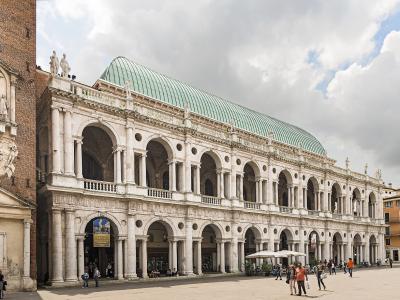
Basilica Palladiana
Renaissance civic building with distinctive white marble ...
From €4 Architectural Monuments · Cultural Tours
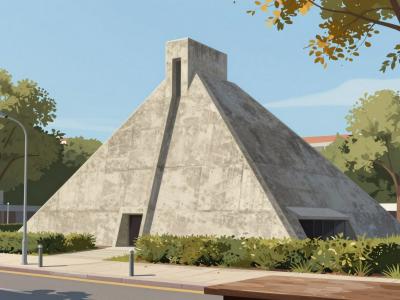
Mercato di Vicenza
Weekly markets in Piazza dei Signori and Piazza delle Erbe
Free Local Cuisine · Local Markets
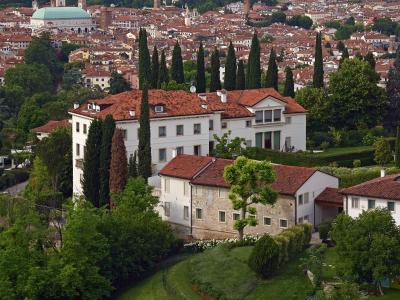
Monte Berico
Hilltop basilica with panoramic views of Vicenza
Hillside Trails · Historic Churches
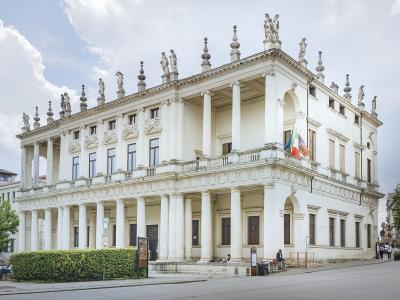
Palazzo Chiericati
Palladian Renaissance palace housing a civic museum
From €15 Architectural Monuments · Art Museums
Questions people ask
Quick Facts
Best Time to Visit
Visit between April and June or September and October for mild temperatures and fewer crowds.