







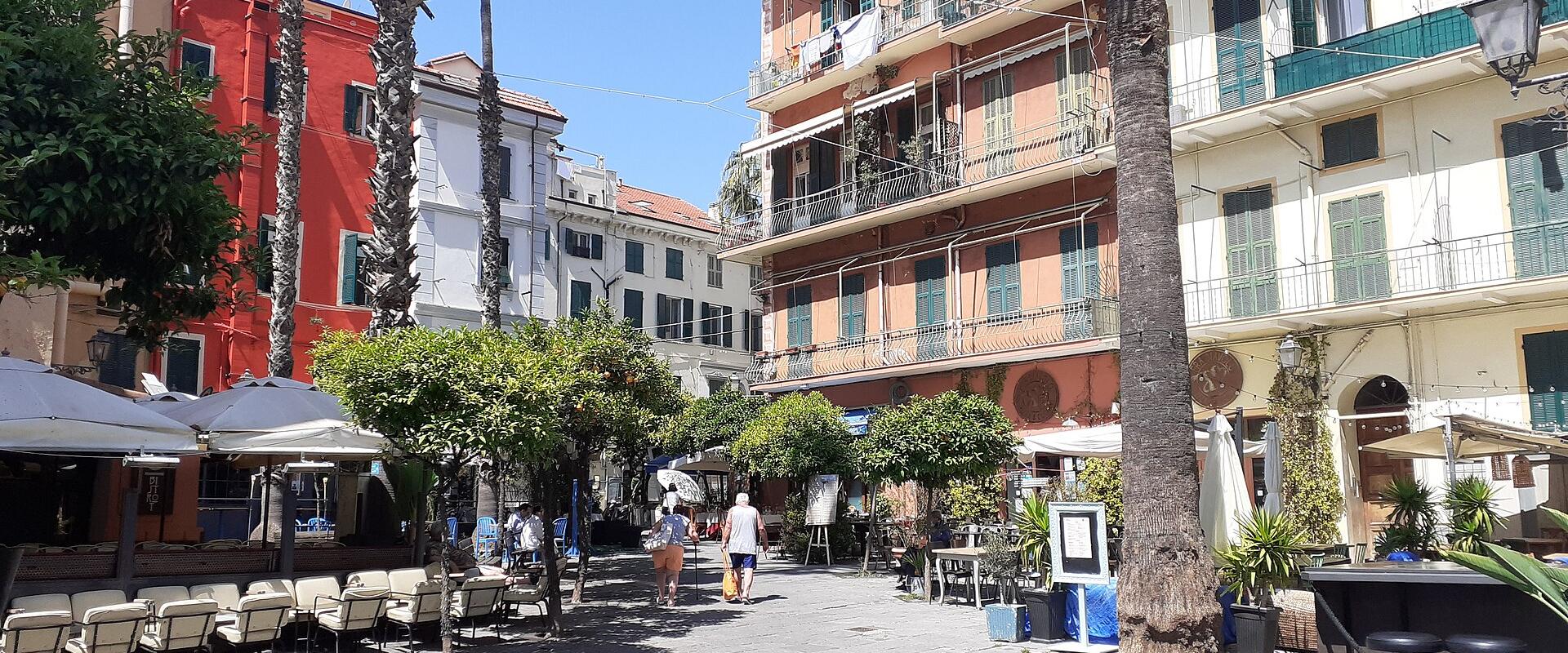
Sanremo’s history goes back to Roman times, when it was known as Sanctum Remigium. The town developed as a fishing and farming community, with a particular focus on citrus and, later, flower cultivation thanks to its favourable microclimate. In the 19th century Sanremo became a popular winter resort for European aristocracy and royalty, including the Russian imperial family. The English poet Edward Lear lived and died in Sanremo, and Alfred Nobel spent his last years in a villa there. This period saw the construction of many elegant villas, hotels, and gardens in the Belle Époque style. The town’s cultural importance was cemented in 1951 with the first Sanremo Music Festival, which has since become a national institution. During World War II Sanremo suffered significant damage from bombing, but it was rebuilt and continued to grow as a tourist destination. Today Sanremo preserves its historic centre, with narrow streets lined with historic buildings, and its extensive gardens, reflecting its layered past as a Roman settlement, royal retreat, and cultural hub.
The main attractions are centred on the gardens, the historic centre, and the entertainment venues. The Casino di Sanremo, in a Belle Époque building on Corso degli Inglesi, is among the oldest and most elegant casinos in Europe. The Teatro Ariston, the venue for the Sanremo Music Festival, is a key cultural landmark. The seafront promenade, the Lungomare Imperatrice, named for a Russian empress, is a scenic walk along the coast, lined with palm trees and hotels. The Old Town (Centro Storico), known locally as La Pigna, is the historic centre, with narrow lanes, arches, and small squares, and it holds the Cathedral of San Siro, with its Romanesque and Gothic elements. The Sanctuary of Nostra Signora della Guardia, in the Poggio district, is a Marian sanctuary with a view over the bay. The Villa Ormond and its park are a calm green space, and the Villa Hanbury, or Giardini Botanici Hanbury, a renowned botanical garden, lies farther west on the coast near the French border, a short drive from Sanremo. The Giardini di Villa Farini and the Parco del Poggio are other green spaces. The Mercato del Pesce is a lively fish market.
Activities in Sanremo include exploring the botanical gardens, visiting the casino, and enjoying the local cuisine. The town is known for traditional Ligurian dishes, including pesto genovese, focaccia, and fresh seafood, together with a local flatbread called sardenaira and the small Taggiasca olives of the area. Visitors can take guided tours to learn about the history of the Sanremo Music Festival and the town’s royal heritage. The surrounding area offers hiking in the nearby mountains and visits to other Riviera towns such as Ventimiglia and Bordighera. Sanremo also hosts festivals and events through the year, including the Flower Festival in February. Shopping includes local ceramics, textiles, and food products. For those interested in history, guided tours explore the Roman and Belle Époque heritage of the city.
Getting to Sanremo is convenient by rail and road. The town is well connected by train from Genoa and Ventimiglia, with frequent services. By car, the A10 motorway provides easy access from Genoa and the French border. The nearest airport is Nice Côte d'Azur Airport in France, about 50 kilometres away.
The best time to visit Sanremo is from April to June or September to October, when the weather is warm and pleasant, ideal for outdoor attractions and historic sites. July and August are peak tourist months, with higher temperatures and larger crowds. Winter is mild but can be rainy. Despite the seasonal variations, Sanremo’s rich history and natural beauty make it a rewarding destination year-round.
Best time to visit
Visit between April and June or September and October for warm weather and fewer crowds.
What to see in San Remo
Our picks first.
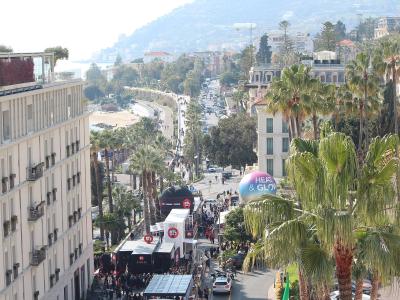
Lungomare Imperatrice
1874 palm-lined promenade funded by Empress Maria Alexand...
City Promenades · Coastal Walks
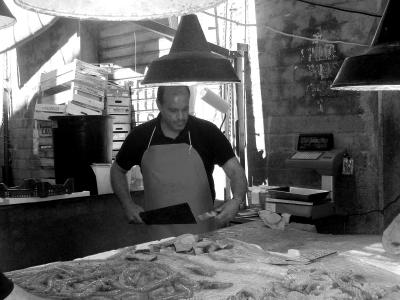
Mercato del Pesce (Fish Market)
Historic San Remo market with fresh local seafood
Food & Gastronomy · Urban Exploration
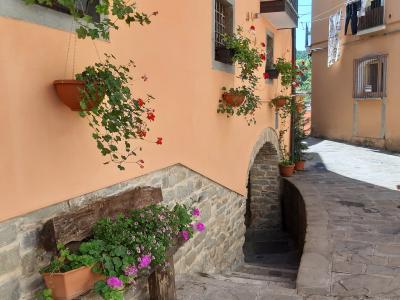
Old Town (Centro Storico)
Medieval walled quarter known as La Pigna
Historic Districts · Historic Palaces
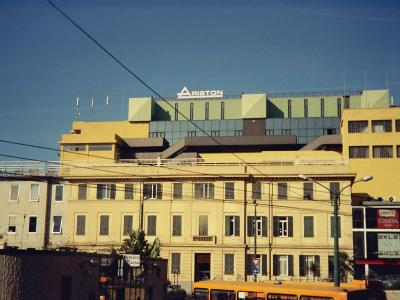
Teatro Ariston
Iconic home of the Sanremo Festival
History & Heritage · Museums & Culture
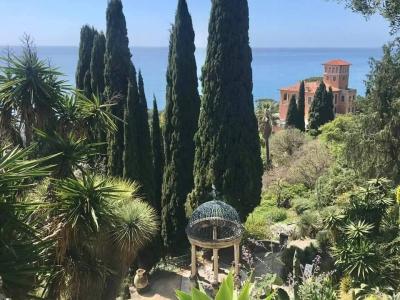
Villa Hanbury (Giardini Botanici Hanbury)
Historic botanical gardens in Ventimiglia
Botanical Gardens · Historic Palaces
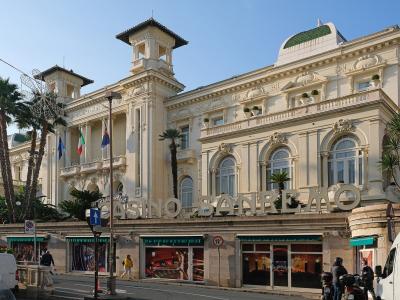
Casino di Sanremo
Historic casino in Sanremo's heart, open daily
Cultural Centers · Nightlife Districts
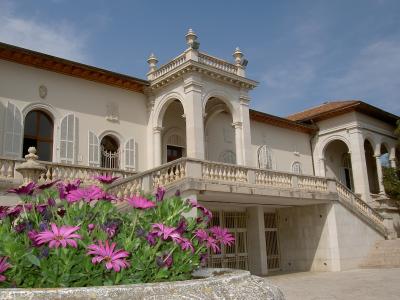
Villa Ormond
1890 classical villa with French-style gardens
Botanical Gardens · Cultural Tours
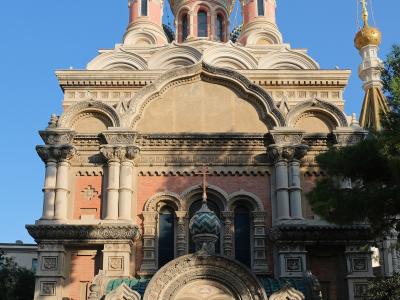
Russian Orthodox Church of Christ the Saviour
Onion-domed church built 1912-1913 for Sanremo's Russian colony
Architectural Monuments · Historic Churches
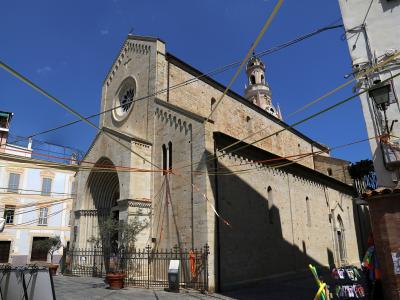
Concattedrale di San Siro
Sanremo's oldest church, a 12th-century Romanesque co-cathedral
Historic Churches · Historic Districts
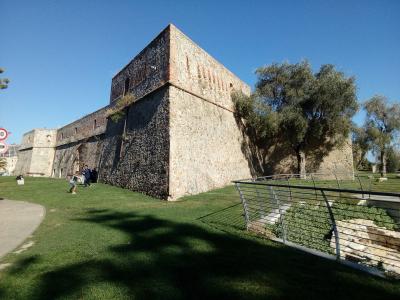
Forte di Santa Tecla
1755 Genoese fort built to subdue Sanremo, later a prison
History & Heritage · Castles & Fortresses
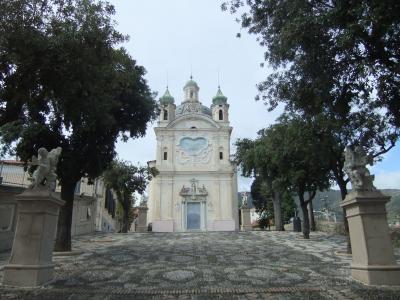
Santuario della Madonna della Costa
Baroque hilltop sanctuary above La Pigna, rebuilt in 1630
Historic Churches · Historic Districts
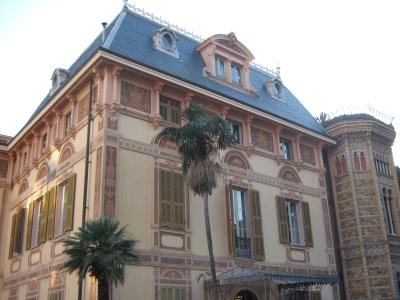
Villa Nobel
Alfred Nobel's last home, where he died in 1896
From €5 Museums & Culture · Educational Sites
San Remo by interest
The same sights, grouped by what you came for.
Did you know?
Checked facts about San Remo, each with its source.
-
History
Sanremo's Song Festival Began at the Casino in 1951
The first Sanremo Music Festival opened on 29 January 1951 in the Salone delle Feste of the Sanremo Casino. Nilla Pizzi won that first edition with "Grazie dei fiori".
Source: Il Post
Planning a visit to San Remo
Good to know
- Currency
- EUR
- Language
- Italian
Quick Facts
Book your stay
Questions people ask
More places in Liguria
Liguria
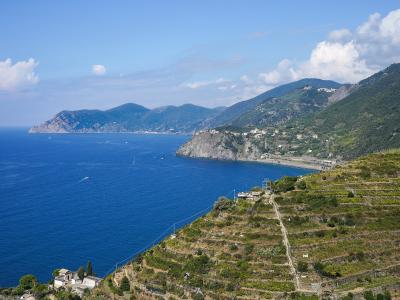
Cinque Terre
Five colorful villages on Italy's rugged Ligurian coast
Liguria
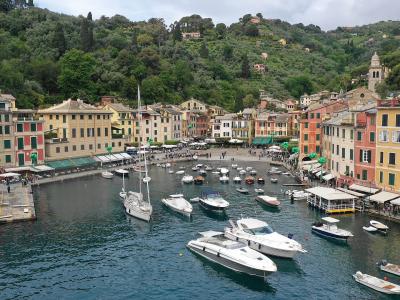
Portofino
Exclusive Ligurian harbor with pastel villas and luxury yachts
Liguria
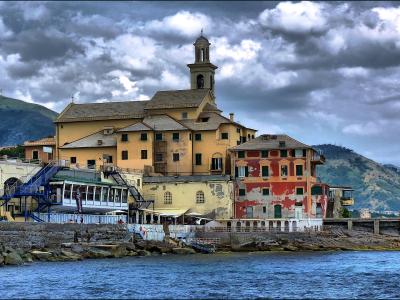
Genoa
Historic maritime republic with UNESCO old town and major aquarium
Liguria
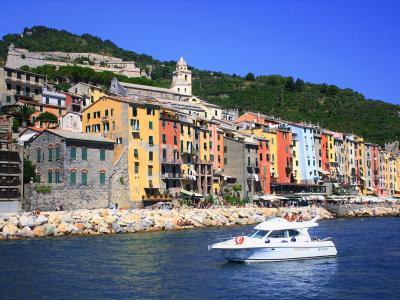
Portovenere
UNESCO coastal village in Liguria with colorful harbor and islands