







- Where
- San Remo, Liguria
- Directions
- Directions
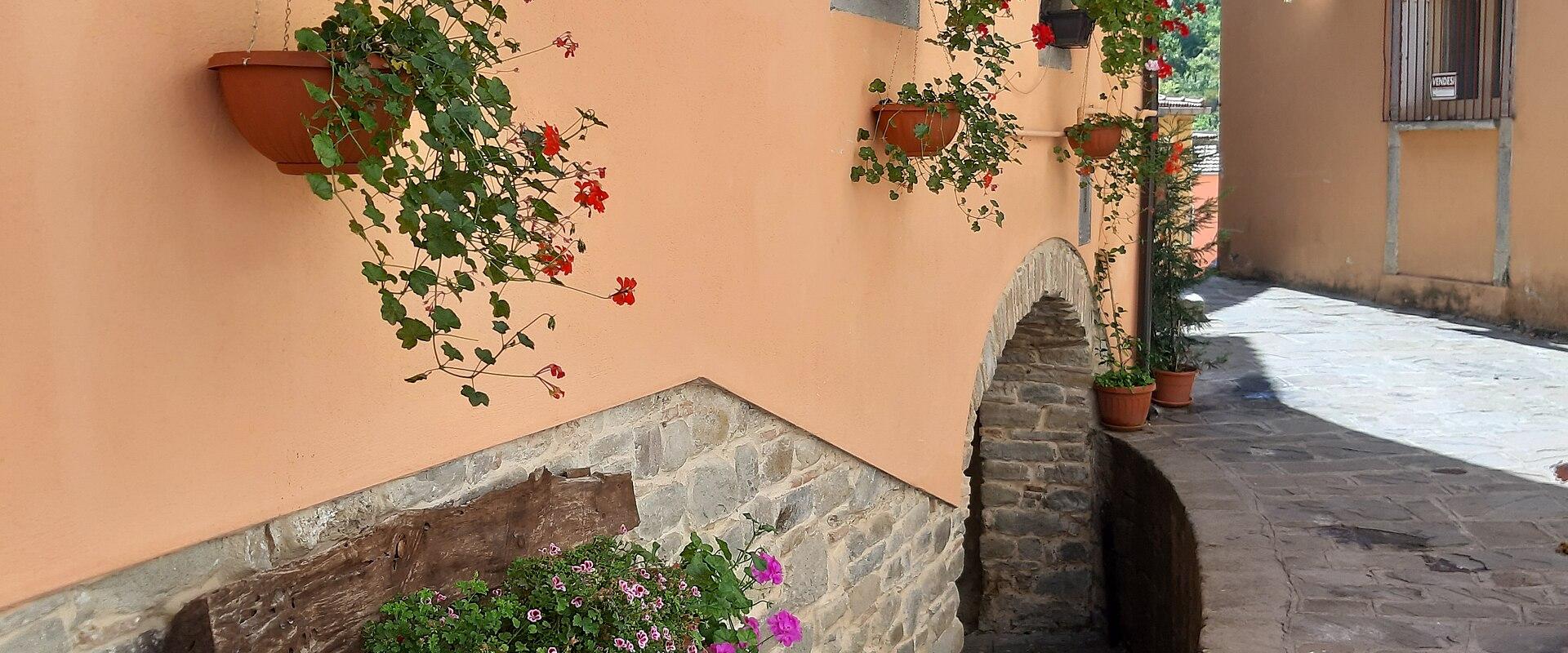
The Old Town (Centro Storico) of San Remo, known locally as La Pigna, is the historic quarter of the city, characterized by its narrow, winding streets and medieval architecture. The name means the pine cone, which describes the shape of the district: it rises in a tight spiral up a steep hill above the seafront, with buildings piled one above another around a central peak. This district offers a distinct contrast to the modern seaside promenade and the elegant villas of the resort, preserving the authentic atmosphere of San Remo’s past, when the city was a walled medieval town sheltering behind its ramparts from pirate raids.
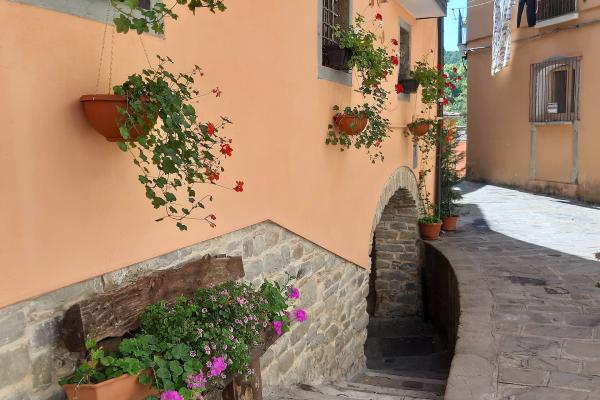
Visitors can explore the labyrinthine alleys that climb up the hillside, discovering hidden squares, ancient palaces and traditional shops. The streets, called caruggi in the Ligurian dialect, are often covered by arches and passages that link the houses and provided protection against raids and the weather. Stone stairways, doorways with carved lintels, small shrines and washing hung between balconies give the lanes their character. At the foot of the hill, the cathedral of San Siro, a 12th-century church with a Romanesque-Gothic facade, stands on a small square, and at the summit, a hilltop sanctuary, the Santuario della Madonna della Costa, offers wide views over the town, the sea and the nearby coast. The climb is steep and the cobbles are uneven, so the walk takes time but rewards with changing views.
The area is steeped in history, reflecting the city’s evolution from a small fishing village to a renowned tourist destination. In the 19th century, San Remo became a fashionable winter resort, particularly popular with Russian and British visitors, who built hotels and villas along the coast, and it became known for the floriculture industry that grew up around it, with greenhouses producing cut flowers, which earned the city the nickname of the City of Flowers. The Sanremo Storia e Tradizioni resources highlight the city’s rich heritage, including the rise of Grand Hotels and the development of the flower trade. The historic center is also home to significant religious sites and notable historical figures who have contributed to the city’s cultural identity.
As an open public area, the Old Town has no opening hours or admission fees, allowing visitors to wander freely at any time. It is advisable to wear comfortable shoes for the steep and uneven cobblestone paths. Exploring La Pigna offers insight into San Remo’s architectural and social history. Mornings are the quietest time, and in the evening some small bars and restaurants open in the lanes. The district has become home to artists and craftspeople, and some of its buildings have been restored in recent decades.
It is an essential stop to appreciate the city’s traditional character, and the combination of historic charm and local life makes it a memorable destination. It complements visits to the Casino, the Belle Époque building on the seafront, the Lungomare Imperatrice, a palm-lined promenade, and the botanical gardens of Villa Hanbury, a famous garden on the coast near the French border, providing a view of San Remo’s diverse appeal. Combine a morning in the old lanes with an afternoon on the seafront, and a visit to the fish market, to see two sides of the town.
Categories
More photos coming soon
Nearby Attractions
Other places to visit in San Remo
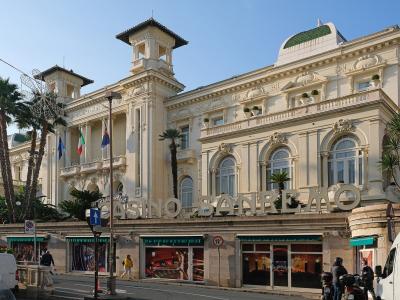
Casino di Sanremo
Historic casino in Sanremo's heart, open daily
Cultural Centers · Nightlife Districts
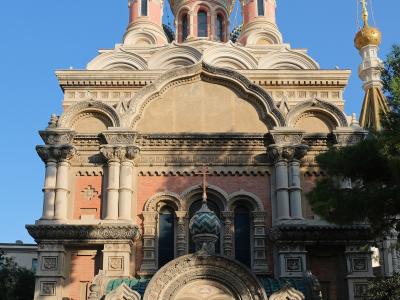
Russian Orthodox Church of Christ the Saviour
Onion-domed church built 1912-1913 for Sanremo's Russian colony
Architectural Monuments · Historic Churches
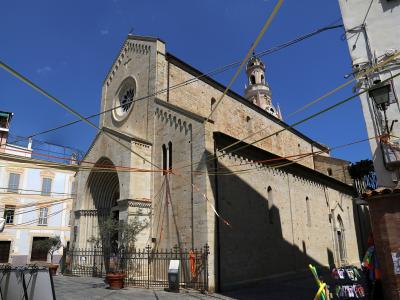
Concattedrale di San Siro
Sanremo's oldest church, a 12th-century Romanesque co-cathedral
Historic Churches · Historic Districts
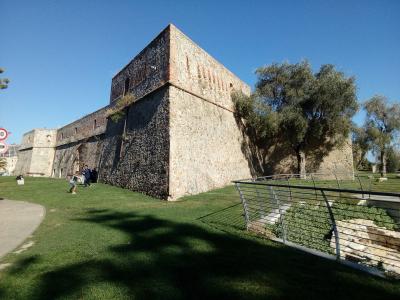
Forte di Santa Tecla
1755 Genoese fort built to subdue Sanremo, later a prison
History & Heritage · Castles & Fortresses
Questions people ask
Quick Facts
Best Time to Visit
Visit between April and June or September and October for warm weather and fewer crowds.