







Villa Hanbury (Giardini Botanici Hanbury)
Historic botanical gardens in Ventimiglia
- Where
- San Remo, Liguria
- Directions
- Directions
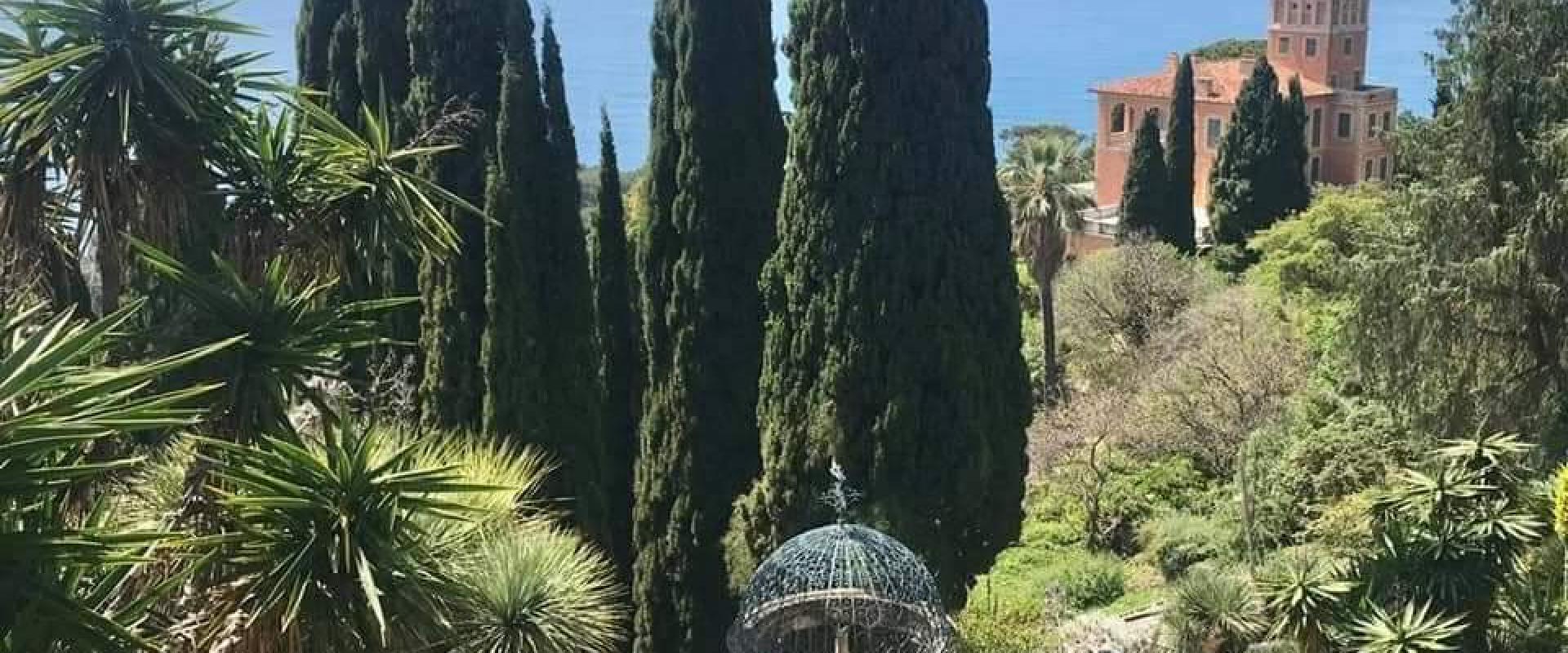
The Villa Hanbury, home of the Giardini Botanici Hanbury, the Hanbury Botanical Gardens, is a renowned botanical garden on the Ligurian coast of Italy. The gardens lie at La Mortola, on the Capo Mortola headland near Ventimiglia, in the far west of the Italian Riviera, close to the French border and about thirty kilometres west of San Remo, so a visit from there needs a separate trip along the coast by train or bus. The gardens fall in the municipality of Ventimiglia, and they sit on a steep, sun-drenched hillside that drops to the sea.
They were created in 1867 by Sir Thomas Hanbury, an English businessman who made his fortune in Shanghai, bought the Palazzo Orengo, the villa on the headland, and set out to create a garden of plants from across the warm regions of the world. With the help of the German botanist Ludwig Winter, and later of his brother Daniel and of the curator Kurt Dinter, he gathered thousands of species from Asia, Africa, Australia and the Americas, and the garden became one of the great botanical gardens of the Mediterranean. The mild climate, sheltered from the north winds by the mountains and warmed by the sea, allowed plants from many regions to thrive. After the Hanbury family left, the gardens suffered damage in the Second World War, and in 1960 they passed to the Italian state and later to the University of Genoa, which manages them today.
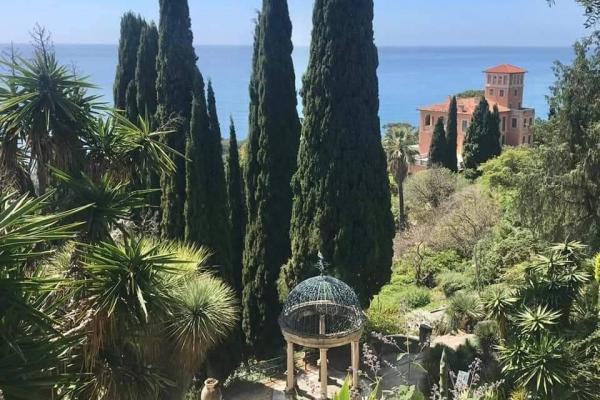
The garden offers a diverse collection of plants from around the world, set against the backdrop of the Ligurian coast, with several thousand species arranged along paths and terraces that wind down toward the sea. There are palm and cycad groves, huge cacti and succulents, citrus orchards, a bamboo grove, a Chinese pavilion, a rose pergola, an olive grove, a small Roman-style cistern and a long staircase of Ligurian stone. Streams and old water channels feed pools. In spring the hillside is covered with flowers, and in winter the aloes bloom red and orange.
Visitors are advised to allow a minimum of one to one and a half hours to explore the extensive grounds, and more if they like to read the labels. Opening hours vary by season, with longer hours in summer and shorter in winter, and the gardens are closed on Mondays in winter, apart from specific holidays, and on 25 December. Admission has a fee, and reductions apply to certain groups, so check the official website before travelling. Access may be affected by weather and by maintenance on the steep paths.
Wear sturdy shoes, a hat and sun cream, and bring water. The walk is steep, with many steps, and not easy for people with limited mobility. Combine the visit with the old town of Ventimiglia and the beaches of the area.
Categories
More photos coming soon
Nearby Attractions
Other places to visit in San Remo
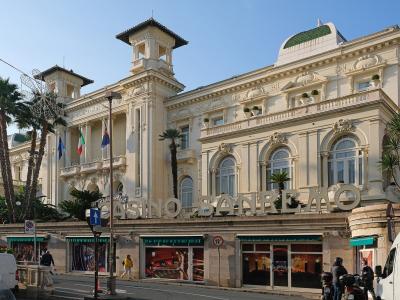
Casino di Sanremo
Historic casino in Sanremo's heart, open daily
Cultural Centers · Nightlife Districts
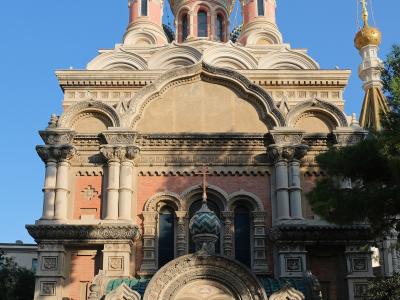
Russian Orthodox Church of Christ the Saviour
Onion-domed church built 1912-1913 for Sanremo's Russian colony
Architectural Monuments · Historic Churches
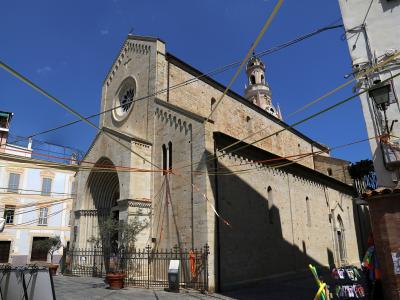
Concattedrale di San Siro
Sanremo's oldest church, a 12th-century Romanesque co-cathedral
Historic Churches · Historic Districts
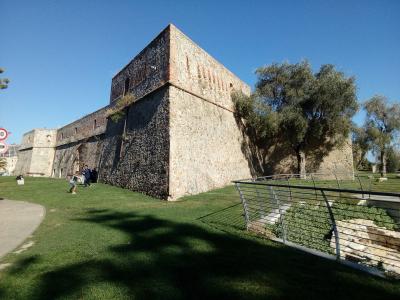
Forte di Santa Tecla
1755 Genoese fort built to subdue Sanremo, later a prison
History & Heritage · Castles & Fortresses
Questions people ask
Quick Facts
Best Time to Visit
Visit between April and June or September and October for warm weather and fewer crowds.