







- Admission
- Free admission
- Hours
- Open 24 hours a day
- Where
- Rimini, Emilia-Romagna
- Directions
- Directions
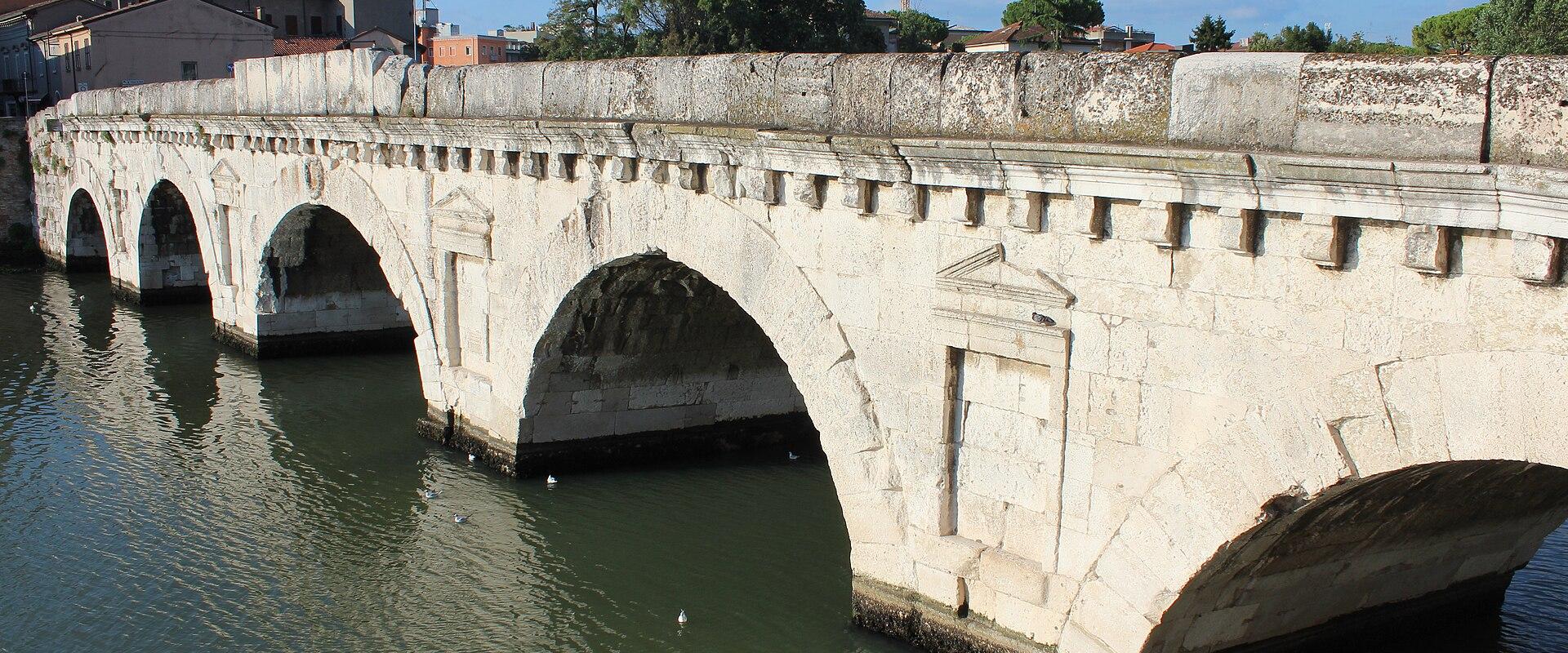
Rimini is known for its beaches and its nightlife, but the town was founded by the Romans in 268 BC as Ariminum, and its Roman heritage is remarkable. The Bridge of Tiberius, at the edge of the old centre, is the best evidence of that: a solid, handsome stone bridge that has carried traffic for two thousand years. Locals call it the Ponte di Tiberio, and many also refer to it as the bridge of Augustus or of Saint Julian, after the district across the water.
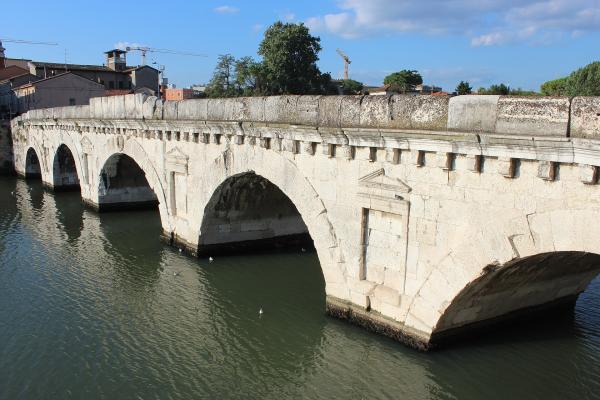
Construction began under the emperor Augustus in 14 AD and was completed under his successor Tiberius in 21 AD, as recorded in a Latin inscription along the parapet. It was built at the start of the Via Emilia, the road that runs straight across the plain to Piacenza, and it carried the road over the Marecchia river, which then flowed past the town. The bridge is made of white Istrian stone, with five arches, and it is well over sixty metres long. Its decoration, including pilasters and niches, uses classical Greek orders, which makes it unusual among surviving Roman bridges.
It has survived remarkably. Wars, floods and neglect have all taken a toll over the centuries, and sections have been damaged or rebuilt, including during the late Roman and Gothic wars and again in the medieval and early modern period. In 1944, as German forces retreated through Rimini during the fighting along the Gothic Line, they tried to blow up the bridge and failed. The river has since been diverted, and the old course is now a canal and harbour waterway that runs beneath the arches.
Today the bridge is open to pedestrians and local traffic, and it is a lovely place for a stroll at any hour. It leads across to the Borgo San Giuliano, a former fishermen's quarter of narrow lanes, brightly painted houses and murals that recall the film director Federico Fellini, who was born in Rimini. In summer, concerts and events are held along the canal, with the bridge as a backdrop.
The bridge is free and open at all times. Combine it with the Arch of Augustus, which marks the other end of the Via Emilia, the Cassero and Rocca di Rimini and the old town's squares, and finish at the Lungomare for a beach walk. It suits history lovers, photographers and anyone who prefers to see the real past of a seaside town. Early morning and evening give the best light on the stone.
Categories
More photos coming soon
Hours & Fees
- Open
- Open 24 hours a day
- Admission
- Free admission
Hours and prices change, especially out of season. Check with the venue before you go.
Nearby Attractions
Other places to visit in Rimini
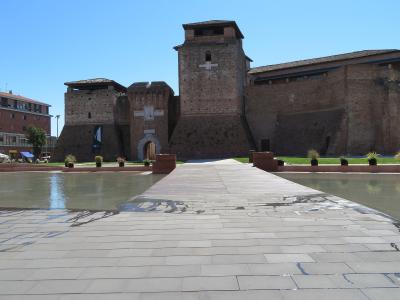
Cassero and Rocca di Rimini
15th-century Malatesta fortress housing the Fellini Museum
Architectural Monuments · Castles & Fortresses
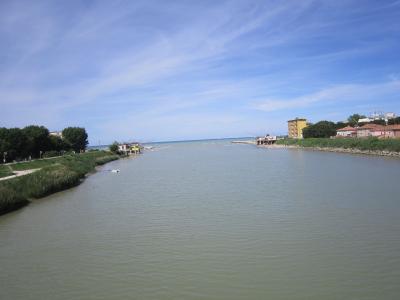
Fiume Marecchia Park
Rimini park along the Marecchia River
Cycling Routes · Hiking Trails
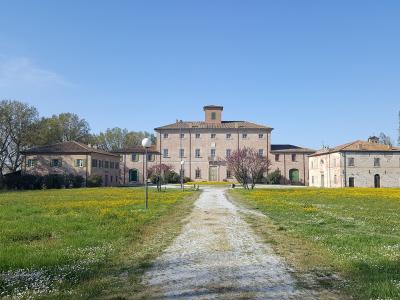
Giovanni Pascoli's Garden
Historic villa and poetry park dedicated to Giovanni Pascoli
History & Heritage · Museums & Culture
Lungomare
Historic Roman arch and bridge in Rimini's historic centre
Ancient Ruins · City Promenades
Questions people ask
Quick Facts
Best Time to Visit
Visit between June and September for beach activities or April to May for milder weather.