







- Where
- Rimini, Emilia-Romagna
- Directions
- Directions
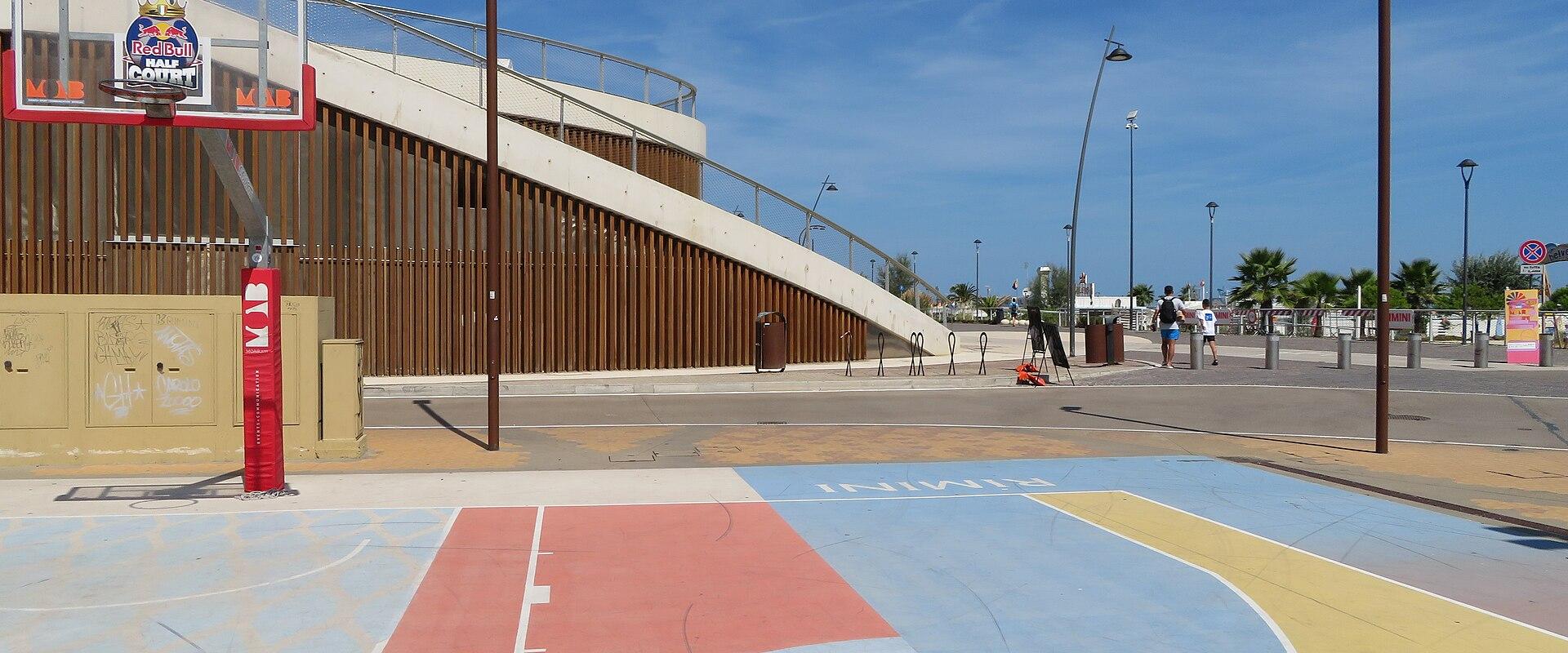
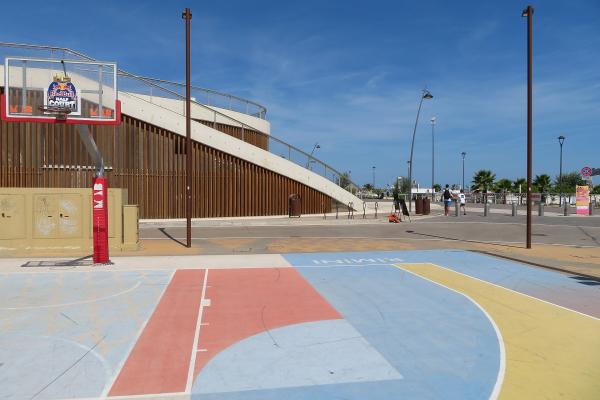
The Lungomare in Rimini is a prominent seaside promenade that is the city's primary coastal artery, running along the Adriatic Sea for several kilometres, past the beaches that made the town the symbol of Italian seaside holidays. It offers visitors a scenic route for walking, cycling and relaxing, with wide paths, palms and a continuous line of hotels, restaurants, bars and bathing establishments. As a central landmark and natural site, the Lungomare provides direct access to Rimini’s sandy beaches and is a hub for leisure activities.
Rimini has a long history as a resort. Sea bathing began here in the 1840s, and the first bathing establishment opened in 1843, and in the early twentieth century, the Grand Hotel, a luxurious palace with towers and a long terrace, which opened in 1908, made the town famous among the European elite. The film director Federico Fellini, who was born in Rimini in 1920, used the Grand Hotel and the seafront as settings and memories in his films, notably Amarcord, and the Fellini Museum, opened in 2021 in the old town, honours him. After the Second World War, the beaches boomed, and Rimini became the capital of the Riviera Romagnola, with its colourful umbrellas arranged in neat lines, its nightlife and its crowds in summer. The districts of Marina Centro, the central beach area, and Marina Centro's long front of hotels give a good picture of that era.
Rimini's ancient landmarks, the Arch of Augustus and the Tiberius Bridge, are not on the seafront. They lie in the historic centre, at some distance inland, and they are reached by a walk or a short bus ride. For those interested in history, they are very much worth the trip. The Arch of Augustus, built in 27 BC, stands at the end of the old Via Flaminia, and is the oldest surviving Roman arch in northern Italy, a reminder of Rimini's origins as the first Roman settlement on the Adriatic coast. The Bridge of Tiberius, a bridge of white Istrian stone with five arches, begun under Augustus and finished under Tiberius around 21 AD, still carries traffic over the old harbour canal. They are close to each other, so a walk linking them takes about half an hour.
While the Lungomare is a place for beach relaxation, the walk along it is also a social experience. In the evening, people stroll, cycle and eat ice cream, and music comes from the bars. The beach is free to walk on, and umbrellas and sunbeds can be hired from the bathing establishments, with fees varying.
Exploring the Lungomare takes as long as you wish. Visit in the morning for quiet, and in the evening for atmosphere. Bring sun protection and water in summer, and wear sandals. For those with time, the old town of Rimini and the Malatesta Temple are worth a visit.
Categories
More photos coming soon
Nearby Attractions
Other places to visit in Rimini
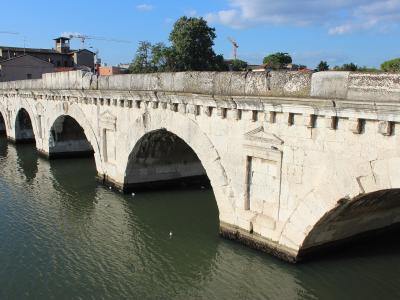
Bridge of Tiberius
Oldest surviving Roman bridge with Greek orders
Free Ancient Ruins · Architectural Monuments
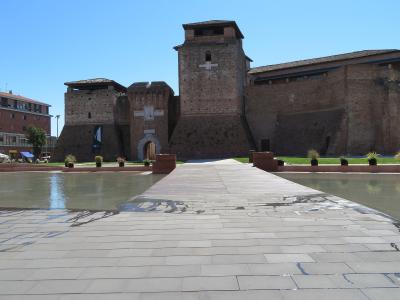
Cassero and Rocca di Rimini
15th-century Malatesta fortress housing the Fellini Museum
Architectural Monuments · Castles & Fortresses
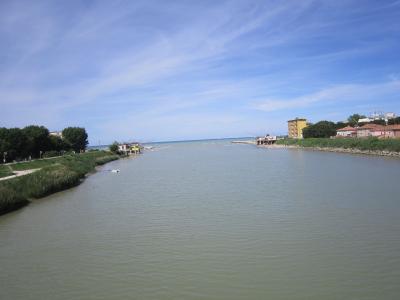
Fiume Marecchia Park
Rimini park along the Marecchia River
Cycling Routes · Hiking Trails
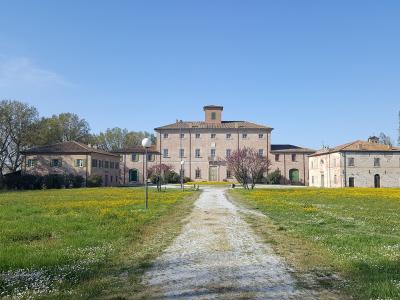
Giovanni Pascoli's Garden
Historic villa and poetry park dedicated to Giovanni Pascoli
History & Heritage · Museums & Culture
Questions people ask
Quick Facts
Best Time to Visit
Visit between June and September for beach activities or April to May for milder weather.