







Pisa Cathedral (Duomo di Pisa)
1092 Pisan Romanesque cathedral in Piazza dei Miracoli
- Where
- Pisa, Tuscany
- Directions
- Directions
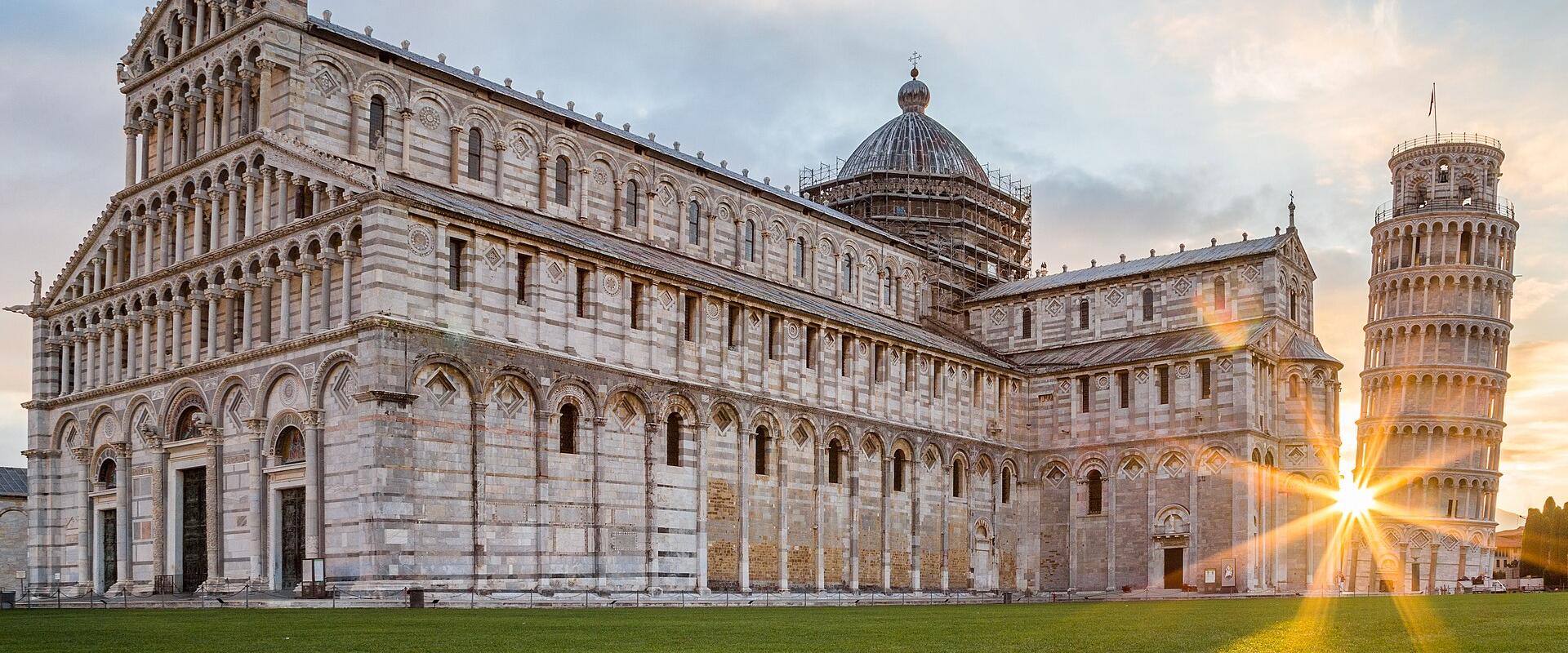
Pisa Cathedral, officially the Primatial Metropolitan Cathedral of the Assumption of Mary, is a medieval Catholic cathedral located in the Piazza dei Miracoli, the Square of Miracles. It is the oldest of the three structures in the plaza and the seat of the Archbishop of Pisa. The cathedral is a notable example of Pisan Romanesque architecture, characterized by its intricate details and harmonious proportions, and it was the model for many churches in Tuscany, Sardinia and Corsica. In the 11th century, Pisa was a rich maritime republic, and the cathedral was built to display the city’s wealth and power after a naval victory over the Muslim fleet at Palermo in 1063, the spoils of which paid for its construction.
Construction began in 1064 under the architect Buscheto and was completed in 1092. The cathedral was consecrated on September 26, 1118. Over the centuries, it underwent several modifications, including enlargements and the addition of a new facade in the 12th century, designed by the architect Rainaldo. The roof was replaced following fire damage in 1595, which also destroyed much of the earlier interior decoration, and the present coffered ceiling, painted and gilded, dates from that reconstruction. The cathedral is part of the Piazza del Duomo, Pisa, UNESCO World Heritage Site, inscribed in 1987.
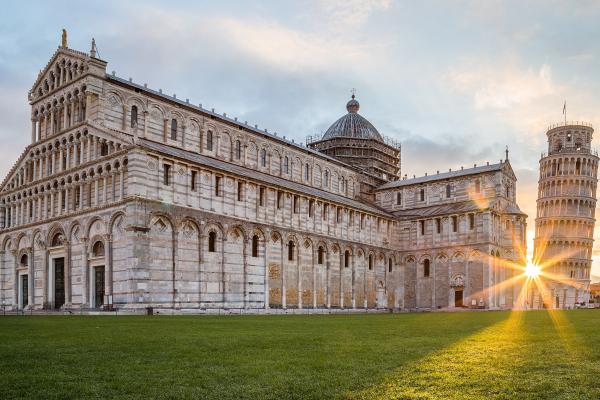
The exterior is the first thing that visitors remember. The facade is faced in white and gray marble, in four tiers of open arcades, one above the other, with columns and carved capitals, and the walls are decorated with bands of colored marble and with inlays, and the combination of classical, Byzantine and Islamic influences reflects the city’s contacts around the Mediterranean. The main doors are of bronze, carved with scenes in relief, and the cathedral stands out brilliantly white against the green lawn of the square.
Visitors entering the cathedral are greeted by a grand interior featuring marble columns, a golden ceiling and significant artworks. The nave has a double row of granite columns, many of which were taken from ancient Roman buildings, and the apse is covered with a golden mosaic of Christ in majesty, completed in 1302 and partly by the painter Cimabue, who made the figure of Saint John. The pulpit, carved by Giovanni Pisano between 1302 and 1310, is a masterpiece of Gothic sculpture, with scenes of the life of Christ in marble in a lively, dramatic style. A bronze lamp hanging from the ceiling is associated with the story that Galileo, as a student, observed its swinging and discovered the regularity of the pendulum, though the lamp in the story was replaced. The experience offers a deep appreciation of the artistic and religious heritage of Pisa. It is advisable to check local tourism resources for current schedules, as access may be restricted during religious services, and there may be a ticket for entry.
The cathedral stands in close proximity to the Leaning Tower and the Baptistery, forming a cohesive architectural ensemble. Exploring the cathedral provides context for the historical power and wealth of the Republic of Pisa. It is a central landmark in the Piazza dei Miracoli, complementing visits to other nearby attractions, such as the Campo Santo, the monumental cemetery. The combination of architectural beauty and historical significance makes it an essential stop for anyone visiting Pisa.
More photos coming soon
Nearby Attractions
Other places to visit in Pisa
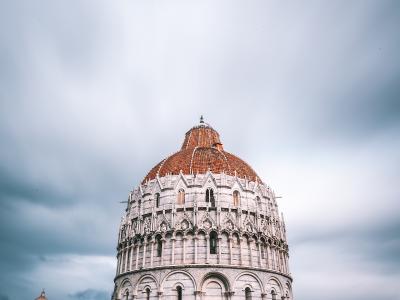
Baptistery of St. John
Italy's largest baptistery in Pisa's Piazza dei Miracoli
From €11 Architectural Monuments · Cultural Tours
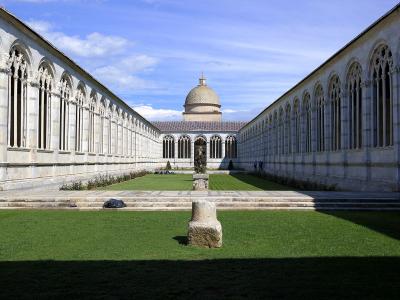
Campo Santo Monumentale
13th-century cemetery with sacred Golgotha soil
History & Heritage · Museums & Culture
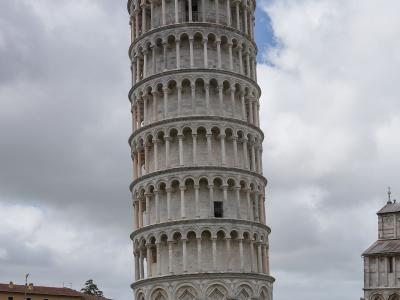
Leaning Tower of Pisa
Freestanding Romanesque bell tower with a 4-degree lean
From €20 Architectural Monuments · Historic Churches
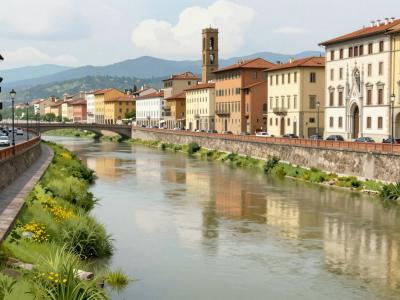
Lungarni (Arno River Banks)
Riverside promenade lined with historic palaces and museums
City Promenades · Historic Districts
Questions people ask
Quick Facts
Best Time to Visit
Visit between April and June or September and October for mild temperatures and fewer crowds.