Norcia
Medieval Umbrian town and birthplace of Saint Benedict in the Sibillini Mountains
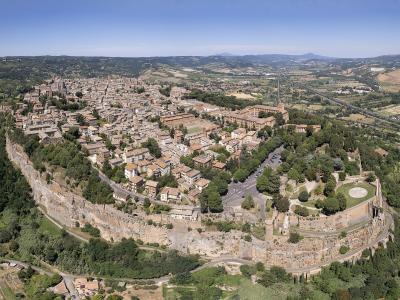
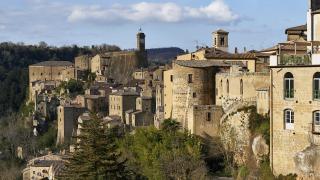
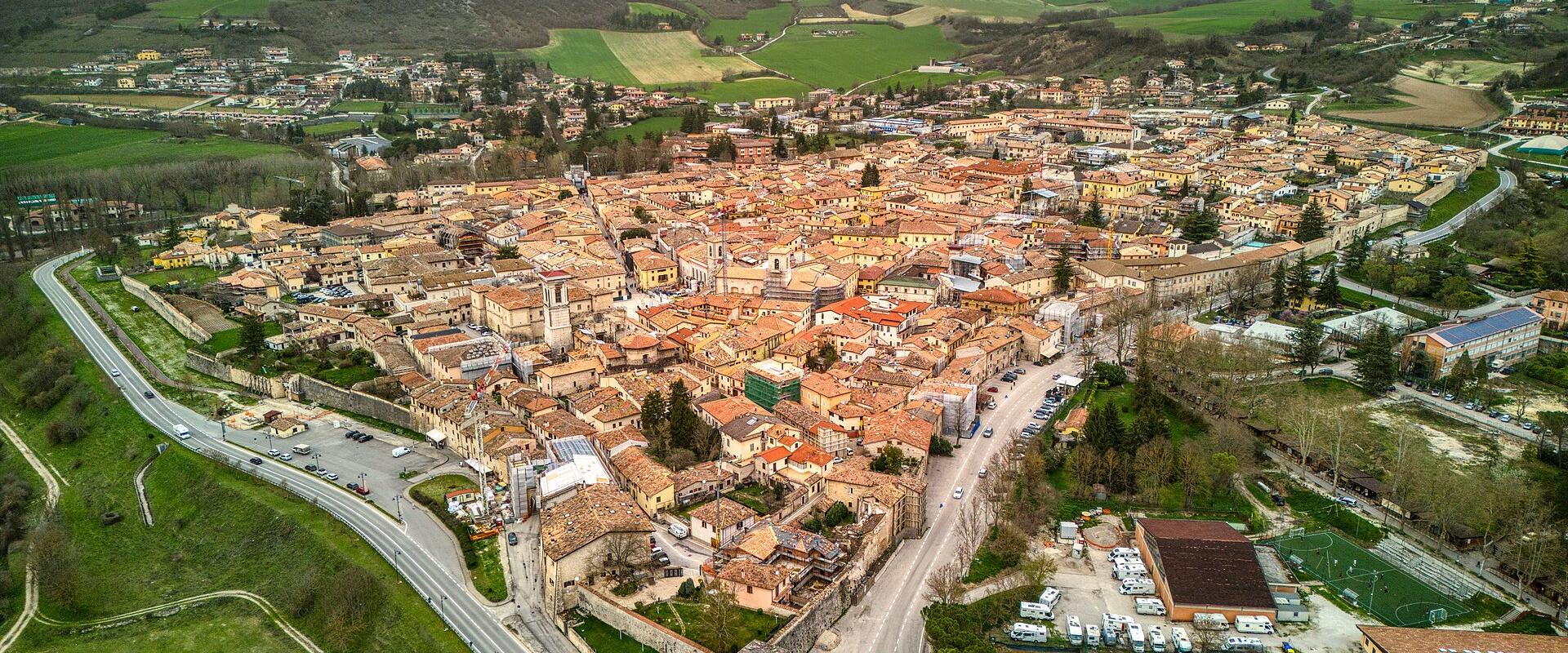
Norcia’s history dates back to Roman times, when it was known as Nursia. It was the birthplace of Saint Benedict of Nursia, the founder of Western monasticism, in the 6th century. The town played a significant role in the spread of Benedictine monasticism, with the Basilica of Saint Benedict built over the site of his birth. During the Middle Ages, Norcia was a powerful commune, often in conflict with neighboring cities like Perugia and Spoleto. The town was heavily damaged by earthquakes in 1997 and 2016, leading to extensive restoration efforts. Despite these challenges, Norcia has preserved its historic center, which includes medieval walls, gates, and churches. The town is also known for its artisanal production of cured meats, particularly prosciutto di Norcia, which has been produced for centuries using traditional methods.
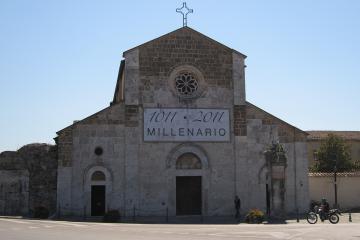
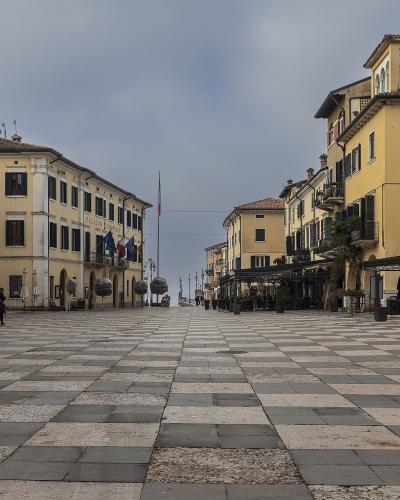
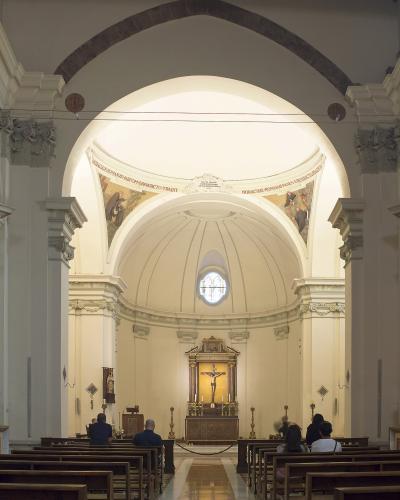
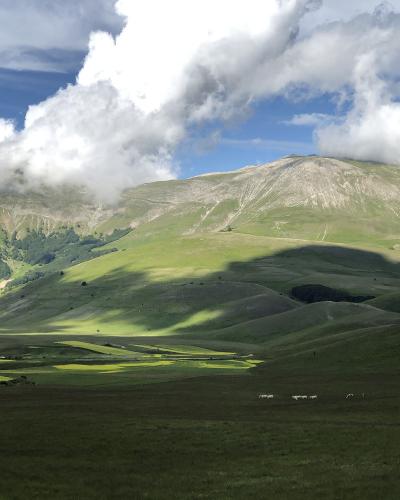
The main attractions in Norcia are centered around its religious heritage and historic center. The Basilica of Saint Benedict is the most significant landmark, featuring a Romanesque facade and interior with frescoes and artifacts related to the saint. The Church of San Francesco is another notable religious site, with a beautiful cloister. The historic center is enclosed by medieval walls, with gates such as Porta San Benedetto and Porta Santa Maria. The town’s narrow streets lead to numerous artisan shops, where visitors can observe the production of prosciutto and other local products. The surrounding Sibillini Mountains offer scenic views and hiking trails. The town also hosts various festivals and events throughout the year, including the Feast of Saint Benedict.
Activities in Norcia include exploring the historic sites, visiting the basilica, and enjoying the local cuisine. The town is known for its traditional Umbrian dishes, including wild boar ragù, pici pasta, and local wines like Orvieto and Sagrantino. Visitors can take guided tours to learn about the town’s history and the production of prosciutto. The surrounding mountains offer opportunities for hiking, cycling, and skiing. Norcia also hosts various cultural events and festivals, celebrating its artistic and culinary heritage. Shopping includes local ceramics, textiles, and food products. For those interested in history, guided tours are available to explore the town’s Benedictine heritage and medieval architecture.
Getting to Norcia is convenient via road. The town is accessible by car from Rome, approximately 150 kilometers away, via the A1 motorway and SS3. Norcia does not have a railway station; the nearest stations are in Foligno and Terni, with bus connections to Norcia. For those traveling by air, the nearest airports are in Rome and Ancona. The best time to visit Norcia is from April to June or September to October, when the weather is mild and pleasant, ideal for exploring the outdoor attractions and historic sites. July and August are peak tourist months, with higher temperatures and larger crowds. Winter is cold but offers opportunities for skiing in the surrounding mountains. Despite the seasonal variations, Norcia’s rich history and cultural offerings make it a rewarding destination year-round.
Best Time to Visit
Visit between April and June or September and October for mild temperatures and fewer crowds.
Did you know?
Interesting, verified facts about Norcia
Norcia Has Another Verifiable Detail
HistoryNorcia offers a distinct atmosphere of rustic charm and spiritual depth, set against the backdrop of the rugged Apennine landscape.
Source: Norcia - WikipediaPlan Your Visit to Norcia
Essential travel tips and information for your trip to Norcia.
Suggested Itineraries
Travel Tips
Currency
EUR • Cards widely accepted
Language
Italian • English in tourist areas
WiFi
Free WiFi in cafes and hotels
Explore Norcia by Interest
Discover attractions and experiences in Norcia organized by your interests and travel preferences.
All attractions in Norcia
Sorted by our recommendation score
Quick Facts
Book your stay
Frequently Asked Questions
More destinations in Umbria and Marche
Explore other amazing places in the Umbria and Marche region