







- Where
- Norcia, Umbria and Marche
- Directions
- Directions
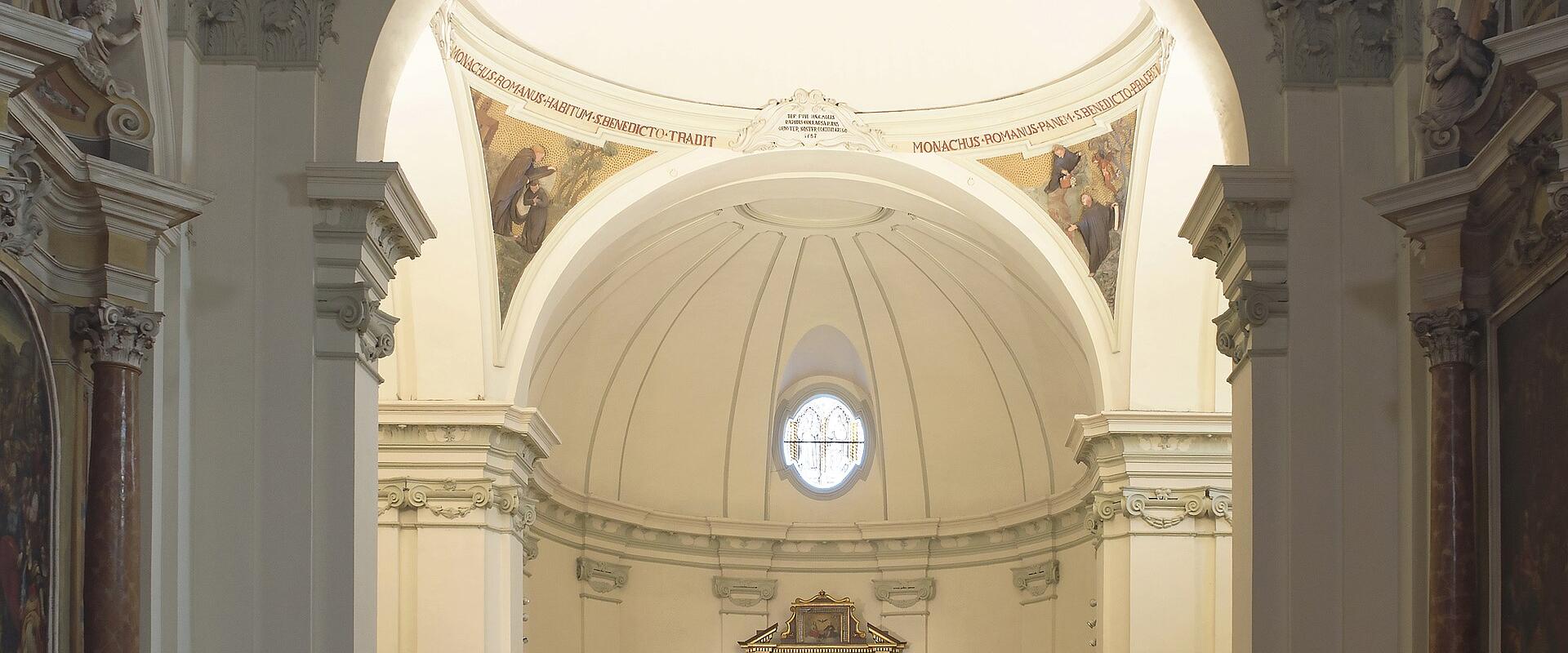
The Basilica di San Benedetto in Norcia is a major religious landmark overlooking the town square and standing beside the Town Hall, in the town in the mountains of eastern Umbria that is the birthplace of Saint Benedict. It is dedicated to Saint Benedict of Nursia, the patron saint of Europe and father of Western monasticism, and it is one of Umbria’s most spiritually significant sites. Saint Benedict was born in Norcia in 480 AD to the noble gens Anicia. He spent his childhood there before moving to Rome, later embracing monastic life, establishing a community in Subiaco and later Montecassino, where he composed the influential Rule, based on Ora et Labora, Pray and Work. He died in 547 AD. His twin sister, Saint Scholastica, who founded a community of nuns, was also born in Norcia, and the two are venerated together.
The site has housed a place of worship since the 6th century. According to tradition, the basilica stands on the site of the house where the saint and his sister were born, and beneath the church, in the crypt, are the remains of Roman buildings, which are said to include the house of the Anicii. The present building, in a Gothic style with a plain facade of pale stone, a rose window and a Gothic portal flanked by symbols of the four evangelists, was begun in the 14th century. Next to it, in the same square, are the town hall, the Palazzo Comunale, with its portico and bell tower, and the fortress, the Castellina, built in the 16th century by the papal government.
The current structure reflects various construction phases and underwent extensive restoration following the 2016 earthquake, in which the building was severely damaged and the roof and walls collapsed, leaving the facade standing. The earthquake of October 30, 2016, the strongest in Italy for decades, hit the area around Norcia, and although few people were killed because of earlier building reinforcements, many of the town’s historic buildings were destroyed. This intervention is reconstructing the building while preserving its historical appearance, effectively bringing new life to the landmark. As the work has been long, it is wise to check whether the interior is open, and what parts of the basilica are accessible.
It is advisable to check local tourism resources for current schedules, particularly if visiting during mass times. A community of Benedictine monks, who lived in the monastery beside the church, was long a feature of the town, and they have been present in the area through the tradition of the order. Exploring the Basilica di San Benedetto offers insight into Norcia’s religious heritage and resilience. It is an essential stop to appreciate the region’s cultural legacy. The combination of historical depth and spiritual significance makes it a memorable destination.
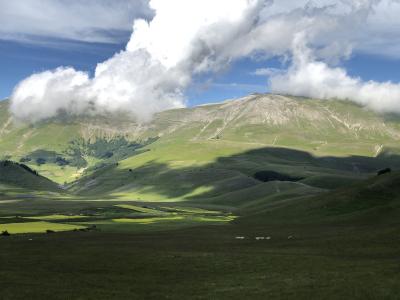
It complements visits to other landmarks in Norcia, such as the historic center and the shops selling local cured meats, cheeses and truffles, providing a view of the city’s identity, and the Monti Sibillini National Park is on the town’s doorstep, with the high plain of Castelluccio. Visitors are advised to dress modestly when visiting and to take time to appreciate the serene atmosphere of the square.
Categories
More photos coming soon
Nearby Attractions
Other places to visit in Norcia
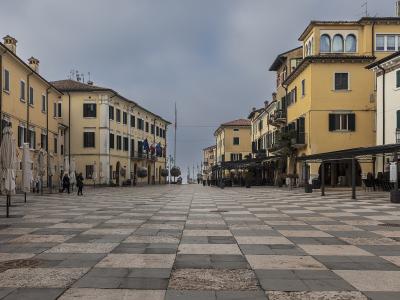
Centro Storico
Medieval hill town, birthplace of St. Benedict
Historic Districts · Historic Towns
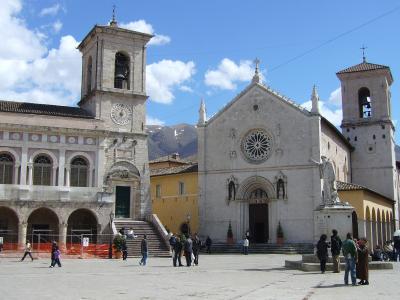
Norcia Black Truffle Market
Annual black truffle market in Norcia
Food & Gastronomy · Cultural Festivals
Parco Nazionale dei Monti Sibillini
Ancient Sabine city in the Sibillini Mountains
Activities & Wellness · Natural Wonders
Questions people ask
Quick Facts
Best Time to Visit
Visit between April and June or September and October for mild temperatures and fewer crowds.