







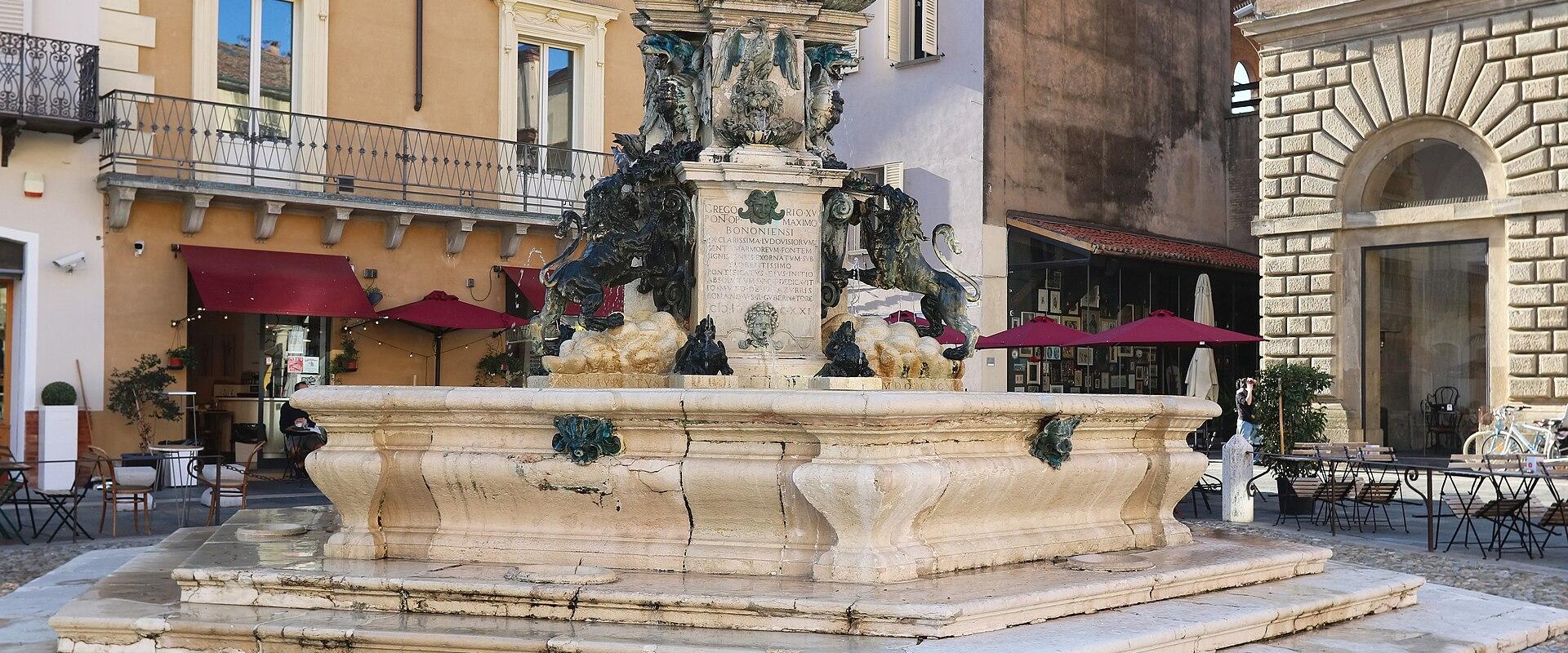
Faenza’s history is deeply rooted in its ancient origins, with evidence of Etruscan and Roman settlement. The city was known as Faventia in Roman times and was a strategic point on the Via Aemilia. During the Middle Ages Faenza became a powerful commune, often in conflict with neighbouring cities such as Bologna and Ravenna. The 15th and 16th centuries were a golden age for the city, particularly under the rule of the Manfredi family, who were great patrons of the arts; the family lost the city to Cesare Borgia in 1501. This period saw the flourishing of the ceramic industry, which became the city’s economic backbone. The production of maiolica, or tin-glazed earthenware, reached its height, with Faenza becoming the leading centre for the craft in Europe. The term 'faience' comes from the city’s name, which shows its global influence on ceramic arts. After the fall of the Manfredi family Faenza came under Papal rule, but it kept its artistic heritage. The physicist Evangelista Torricelli, inventor of the barometer, was born here in 1608. Today the city preserves its historic centre, with Renaissance palaces, churches, and museums that reflect its rich cultural history.
The main attractions are centred on the ceramic heritage and the historic architecture. The Museo Internazionale delle Ceramiche (MIC), the International Museum of Ceramic Art, is the city’s most important cultural institution, housing one of the world’s largest collections of ceramic art, from ancient times to the present. The Civic Museum of Faenza has a collection of paintings and artefacts from the city’s history, and the Pinacoteca shows works of local art. The Cathedral, the Duomo di Faenza or Basilica di San Pietro, is a Renaissance building by Giuliano da Maiano; it stands in the Piazza XI Febbraio. The historic centre has narrow streets, lined with artisan shops selling ceramics, and cafes serving local food. The Palazzo Comunale, the town hall, is another architectural landmark, in the square called the Piazza del Popolo, with its long arcades. The Teatro Comunale, the town's theatre, hosts music and opera. The surrounding area gives access to the Po River delta, farther to the north, and to the city of Ravenna, known for its Byzantine mosaics.
Activities in Faenza include visiting the museums, exploring the historic centre, and enjoying the local cuisine. The city is known for traditional Emilia-Romagna dishes, including tagliatelle, tortellini, and wines such as Pignoletto, although the local wines are the Sangiovese and Albana of Romagna. Visitors can take guided tours to learn about the history of ceramic production and the techniques used by local artisans, and some workshops offer short courses. The surrounding countryside offers cycling and hiking, with scenic routes through the foothills and the Po Valley. Faenza also hosts festivals and events through the year, including the Faenza Ceramic Fair, the International Ceramic Biennale, and the Palio del Niballo in June. Shopping includes local ceramics, textiles, and food products. For those interested in history, guided tours explore the city’s Renaissance heritage and the legacy of the Manfredi family.
Getting to Faenza is convenient by rail and road. The city is well connected by train from Bologna and Ravenna, with frequent services to Faenza station. By car, the A14 motorway provides easy access from Bologna and Ravenna. The nearest airport is Bologna Guglielmo Marconi Airport, about 50 kilometres away.
The best time to visit Faenza is from April to June or September to October, when the weather is mild and pleasant, ideal for outdoor attractions and historic sites. July and August are peak tourist months, with higher temperatures and larger crowds. Winter is cold but offers a quieter experience, with the city’s museums and indoor attractions providing cultural entertainment. Despite the seasonal variations, Faenza’s rich ceramic heritage and architectural beauty make it a rewarding destination year-round.
Best time to visit
Visit between April and June or September and October for mild temperatures and fewer crowds.
What to see in Faenza
Our picks first.
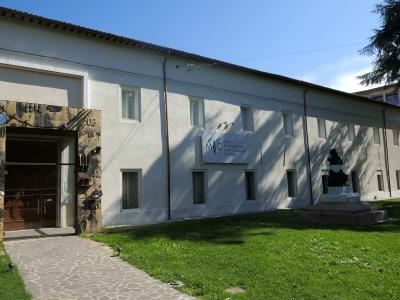
Museo Internazionale delle Ceramiche
World's largest ceramic art collection
History & Heritage · Museums & Culture
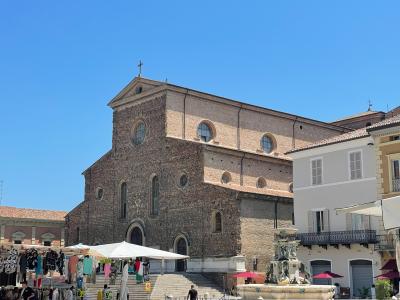
Duomo di Faenza
Renaissance cathedral with Romanesque origins
Architectural Monuments · Historic Churches
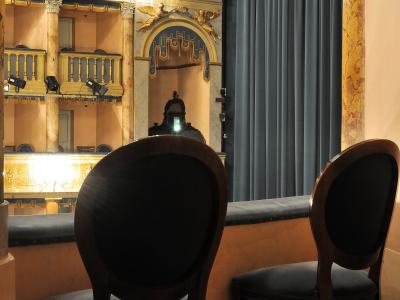
Teatro Comunale
Neoclassical theater built 1780-1787 in Faenza
From €3 History & Heritage · Museums & Culture
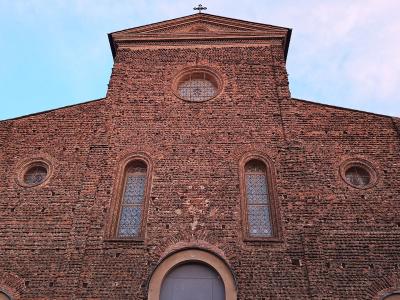
Basilica di San Pietro
15th-century Tuscan Renaissance cathedral with an unfinis...
Architectural Monuments · Historic Churches
Faenza by interest
The same sights, grouped by what you came for.
Planning a visit to Faenza
Good to know
- Currency
- EUR
- Language
- Italian
Quick Facts
Book your stay
Questions people ask
More places in Emilia-Romagna
Emilia-Romagna
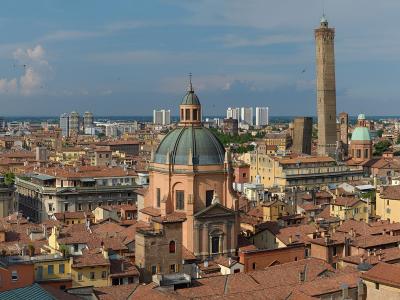
Bologna
Italy's culinary capital with medieval towers and the oldest university
Emilia-Romagna
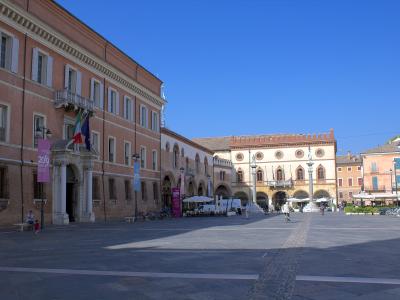
Ravenna
UNESCO city in Emilia-Romagna famous for Byzantine mosaics and Dante
Emilia-Romagna
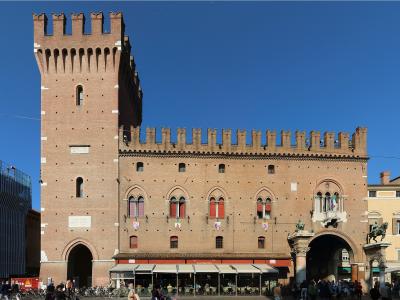
Ferrara
UNESCO Renaissance city with intact medieval walls and canals
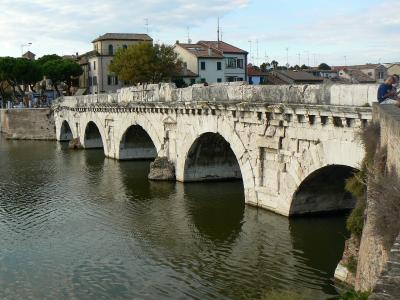
Emilia-Romagna
Rimini
Adriatic beach resort in Emilia-Romagna with Roman ruins and nightlife