







Basilica di San Pietro
15th-century Tuscan Renaissance cathedral with an unfinis...
- Where
- Faenza, Emilia-Romagna
- Directions
- Directions
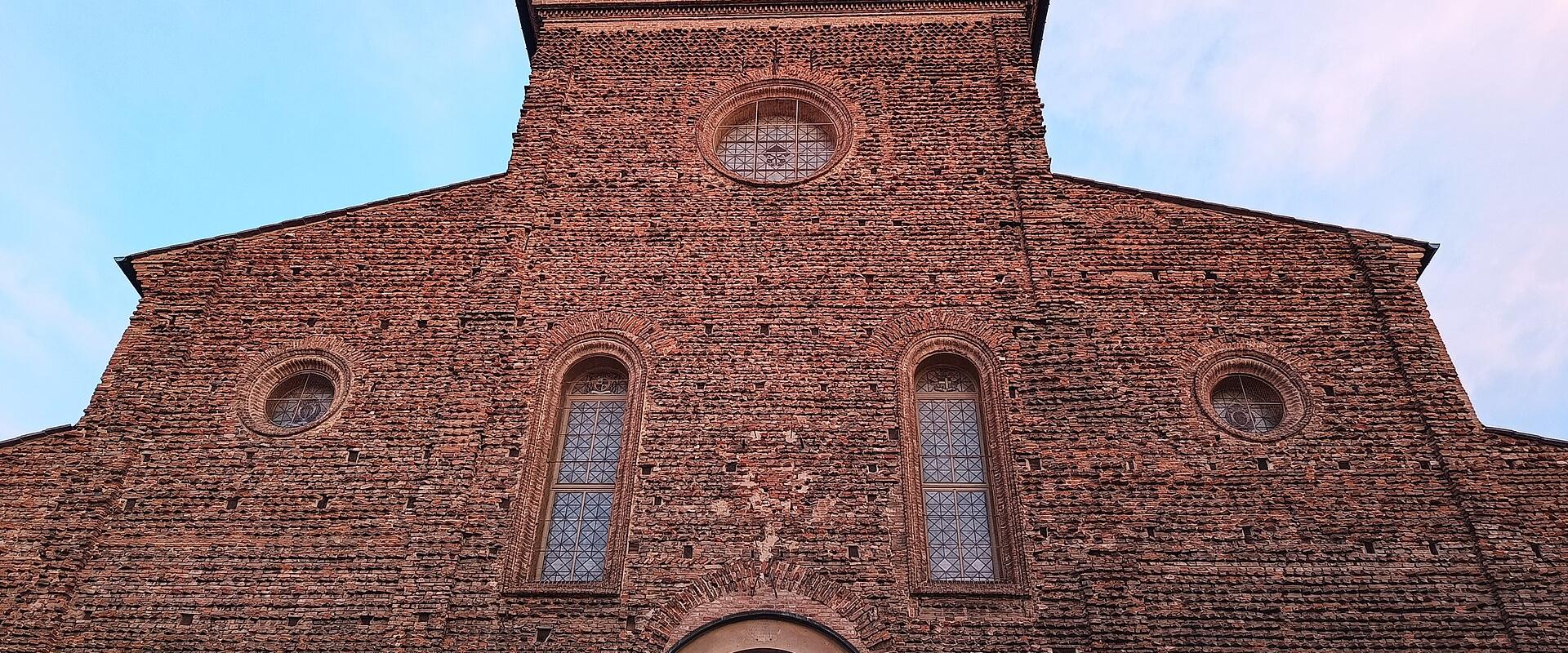
The Basilica di San Pietro, also known as the Faenza Cathedral or Duomo di Faenza, is the seat of the Bishop of Faenza-Modigliana and holds the status of a basilica minor. Dedicated to Saint Peter the Apostle, it stands on the Piazza della Libertà, a short distance from the main square of Faenza, a town in Emilia-Romagna known across the world for its ceramics, which gave the word faience to several languages. Construction began in 1474 under Carlo II Manfredi, the lord of Faenza, with the Florentine architect Giuliano da Maiano overseeing the initial phases. The building was completed in 1515 and formally dedicated in 1581, standing on the site of a previous, earlier cathedral.
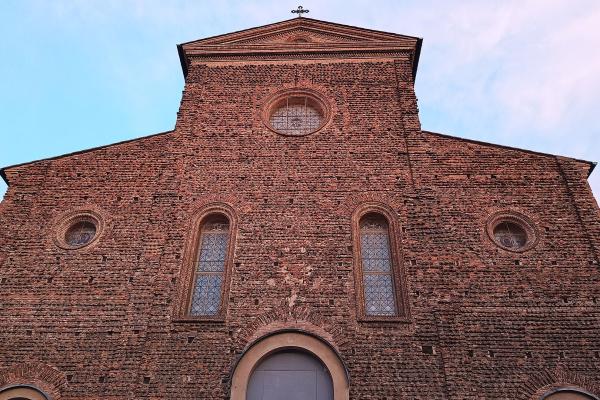
The architecture is a prime example of Tuscan Renaissance style transplanted into Romagna, featuring a Latin cross ground plan. The brick facade remains incomplete, never having been faced in marble or stone, which gives it a distinctive rustic appearance, a bare front of warm brick with niches and openings waiting for a decorative skin that never arrived. This is common in Italian churches, but here the plain surface gives the facade an unexpected modern simplicity. The interior reflects the influence of Filippo Brunelleschi, particularly his work at San Lorenzo in Florence, and this is evident in the arcades, which are characterized by alternating columns and pillars, creating a sense of rhythm and spatial harmony. Pale walls and the light that enters through the clerestory windows add to the calm and measured effect.
Visitors can explore numerous Renaissance sculptures within the basilica. Notable features include the Chapel of the Blessed Virgin of Graces, which houses a fresco from 1412, venerated by the people of Faenza, and the interior also contains significant tombs, including that of Saint Terence from 1462 and the tomb of Saint Savinus from the mid-15th century. The marble tomb of Saint Savinus, the martyred bishop who is a patron of Faenza, is the work of the Florentine sculptor Benedetto da Maiano, the brother of the architect, and it is considered a masterpiece of 15th-century sculpture, with carved scenes of the saint’s life in delicate relief. Other altars and chapels hold paintings of the 16th and 17th centuries.
It is advisable to check local information for mass times, as access may be restricted during religious services. Modest dress is expected. A visit takes around half an hour, and the experience of visiting the basilica offers a deep appreciation of Renaissance art and religious history in the Emilia-Romagna region.
The cathedral is in the center of a town that is easy to explore on foot. Piazza del Popolo, with its arcades, the Torre dell’Orologio and the old town hall, is a few minutes away, and the Museo Internazionale delle Ceramiche, the International Museum of Ceramics, is among the finest of its kind in the world, with collections from ancient times to the present and a strong display of Faenza’s majolica. The Teatro Comunale, a neoclassical theater, is also nearby. The basilica suits visitors interested in the Renaissance, and in the ceramics for which the town is famous, and it makes a quiet first stop on a walk through Faenza.
Categories
More photos coming soon
Nearby Attractions
Other places to visit in Faenza
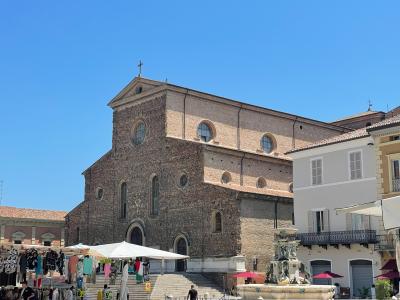
Duomo di Faenza
Renaissance cathedral with Romanesque origins
Architectural Monuments · Historic Churches
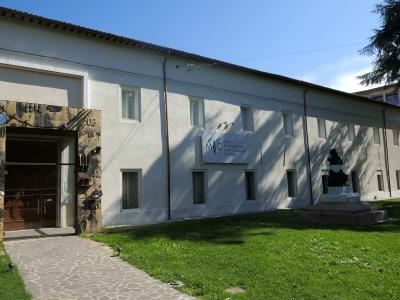
Museo Internazionale delle Ceramiche
World's largest ceramic art collection
History & Heritage · Museums & Culture
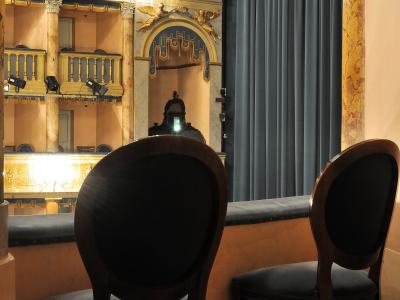
Teatro Comunale
Neoclassical theater built 1780-1787 in Faenza
From €3 History & Heritage · Museums & Culture
Questions people ask
Quick Facts
Best Time to Visit
Visit between April and June or September and October for mild temperatures and fewer crowds.