







- Hours
- Tuesday to Sunday 10:00 AM to 7:00 PM; Closed Mondays and August 15th
- Where
- Faenza, Emilia-Romagna
- Directions
- Directions
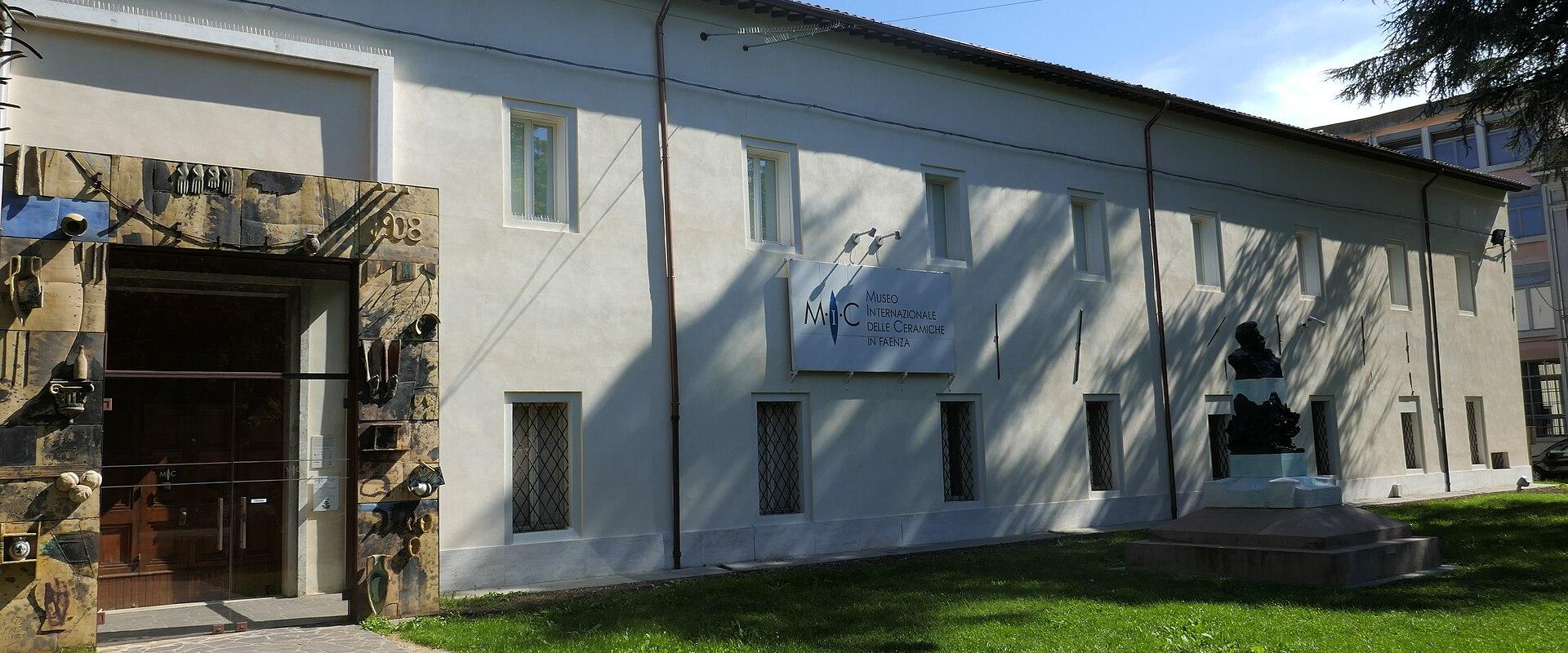
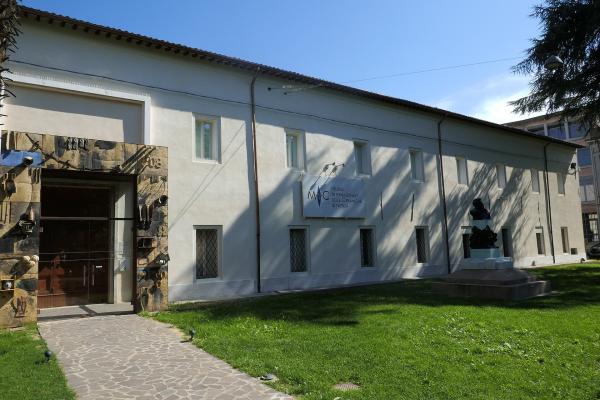
The Museo Internazionale delle Ceramiche (MIC) in Faenza is the world’s largest collection of ceramic art, housing over 60,000 works spanning from 4000 B.C. to the present day. Located in the historic center of Faenza, a city renowned for its pottery tradition, the museum offers visitors a comprehensive journey through the evolution of ceramic craftsmanship. The town gave its name to faience, the French word for tin-glazed earthenware, and for centuries Faenza’s workshops exported decorated pottery across Europe, so there is no better place in Italy to see the history of the craft. The museum was founded in 1908 by Gaetano Ballardini, a scholar who wanted to preserve the memory of the great Faentine ceramics and to encourage modern artists to work in clay.
The collection features masterpieces by renowned artists such as Picasso, Matisse and Dalí, showcasing the intersection of fine art and functional design. Several of the 20th-century masters made ceramics in workshops in Italy and France, and their plates, vases and sculptures sit alongside pieces by Italian designers and by Faenza’s own artists. The older rooms hold the museum’s greatest strength: Italian maiolica of the Renaissance, with its brilliant colors, scenes from mythology and history, and portrait plates, and the earlier medieval pottery of Faenza and Tuscany, along with wares from the Islamic world, Spain, Asia and pre-Columbian America. Ancient Greek and Roman vases, and Etruscan and Mediterranean objects, trace the story back to the first millennium BC and earlier.
Visitors can explore diverse exhibitions that change through the year, highlighting contemporary trends and cultural narratives, including design and the way ceramics reflect cultural landscapes. The museum also hosts educational events, such as guided tours and adult workshops, including sessions on Kintsugi, the Japanese art of repairing broken pottery with gold. A significant aspect of the MIC is its commitment to conservation, demonstrated by its active restoration laboratory and its leadership in the Erasmus Plus project Joining the shards, which focuses on restoring ceramics damaged by conflict. The museum also has a historic library and archive, a center for scholars of ceramics from around the world.
The museum is open Tuesday through Sunday, from the morning to early evening, with closures on Mondays and August 15th. A visit takes about two hours for the main galleries. This resource-rich environment makes the MIC a vital center for both casual visitors and serious scholars. The experience is enriched by the publication of the specialist journal Faenza since 1913, underscoring the museum’s role as a global hub for ceramic culture.
Faenza itself is a pleasant town to explore on foot. The main square, Piazza del Popolo, with its arcades, and the Renaissance cathedral are close by, and in town many workshops and shops sell ceramics, from traditional plates to modern designs. Each year a ceramics competition and a festival of the craft take place. The museum is a good choice for anyone interested in art history, design or material culture, and for those who want to understand the global significance of ceramics.
More photos coming soon
Opening Hours
- Open
- Tuesday to Sunday 10:00 AM to 7:00 PM; Closed Mondays and August 15th
Hours and prices change, especially out of season. Check with the venue before you go.
Nearby Attractions
Other places to visit in Faenza
Basilica di San Pietro
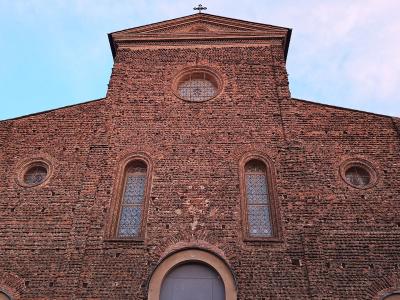
15th-century Tuscan Renaissance cathedral with an unfinis...
Architectural Monuments · Historic Churches
Duomo di Faenza
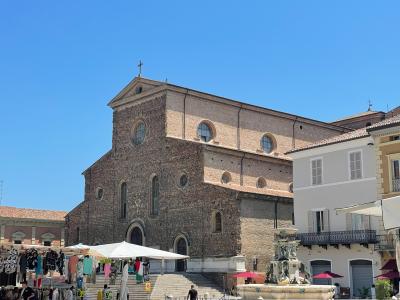
Renaissance cathedral with Romanesque origins
Architectural Monuments · Historic Churches
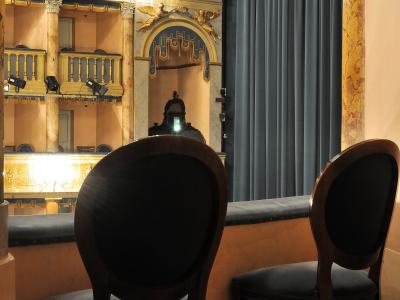
Teatro Comunale
Neoclassical theater built 1780-1787 in Faenza
From €3 History & Heritage · Museums & Culture
Questions people ask
Quick Facts
Best Time to Visit
Visit between April and June or September and October for mild temperatures and fewer crowds.