







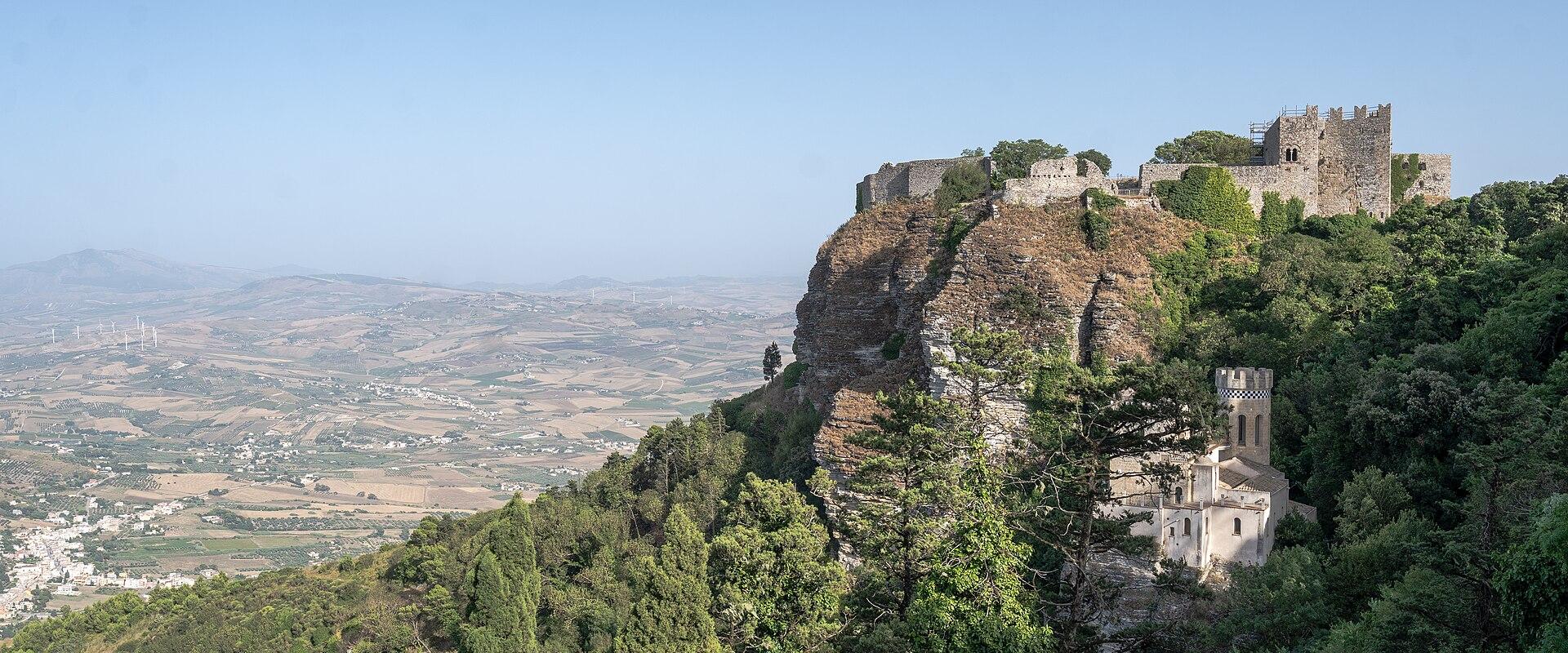
The history of Erice is deeply intertwined with the strategic and religious significance of Monte Erice. The site was originally inhabited by the Sicels and later became a major center for the worship of Venus Erycina, a goddess associated with love and fertility, attracting pilgrims from across the Mediterranean. The ancient Temple of Venus Erycina, located on the summit, was one of the most important sanctuaries in the western Mediterranean. In the Middle Ages, Erice became a fortified stronghold. Under Norman rule, the town was expanded, and the Castle of Venus (Castello di Venere) was constructed to protect the temple site. During the War of the Sicilian Vespers in the 13th century, Erice served as a key fortress for Frederick III of Aragon, resisting Angevin forces. The town remained under Aragonese control for centuries, influencing its architecture and culture with Spanish elements. The medieval layout of the town, with its winding streets and defensive walls, reflects this period of military importance. In the 20th century, Erice was renamed Monte San Giuliano before reverting to its ancient name, reaffirming its historical identity.
The main attractions in Erice are centered around its medieval heritage and stunning views. The Castle of Venus (Castello di Venere) is a prominent Norman fortress that now houses the Regional Museum of Erice, displaying artifacts from the ancient temple and the town’s history. The Castle of San Giuliano (Castello di San Giuliano), also known as the Castle of the Eagle, is another significant structure, offering panoramic views and housing a museum dedicated to the town’s medieval past. The narrow streets of the historic center are lined with historic palaces, churches, and artisan workshops. Visitors can explore the Church of St. Mary of the Snows and the Church of St. Dominic. The town is also famous for its almond pastries, such as the 'cudduraci' and 'sfinciuni', which are best enjoyed in local bakeries. The panoramic terraces provide spectacular views of the Egadi Islands and the Tyrrhenian Sea, making it a popular spot for photography and relaxation.
Activities in Erice include exploring the historic center, visiting museums, and enjoying the local cuisine. The town is a haven for artisan crafts, with many workshops producing ceramics, woodwork, and traditional sweets. Visitors can take guided tours to learn about the town’s history and architecture. The cooler climate makes Erice a pleasant retreat during the hot Sicilian summers. For those interested in nature, the surrounding mountains offer hiking trails with views of the countryside. The town also hosts cultural events and festivals throughout the year, celebrating its heritage and local products. Dining in Erice features traditional Sicilian cuisine with a focus on local ingredients, including almond-based dishes and regional wines.
Getting to Erice is convenient via road. The town is accessible by car from Trapani, approximately 10 kilometers away, via a winding mountain road. A funicular railway connects the base station in Vallelunga to the town, offering a scenic and easy ascent. Public buses also run between Trapani and Erice. The best time to visit Erice is from April to June or September to October, when the weather is mild and pleasant, ideal for walking tours and outdoor activities. July and August can be warm, but the elevation provides a cooler respite. Winter is mild but can be rainy. Despite the seasonal variations, Erice’s atmospheric streets and historical sites make it a rewarding destination year-round.
Best time to visit
Visit between April and June or September and October for mild temperatures and fewer crowds.
What to see in Erice
Our picks first.
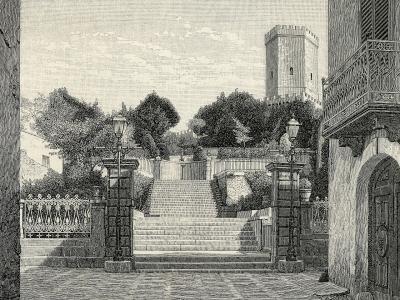
Castle of San Giulio
Medieval Venus Castle on Erice hilltop
From €1.50 Castles & Fortresses · Historic Towns
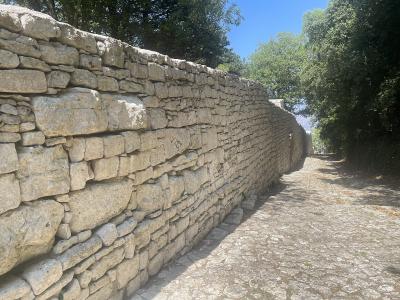
Viewpoint at the Castle Walls
Medieval castle walls with panoramic Mediterranean views
Castles & Fortresses · Historic Towns
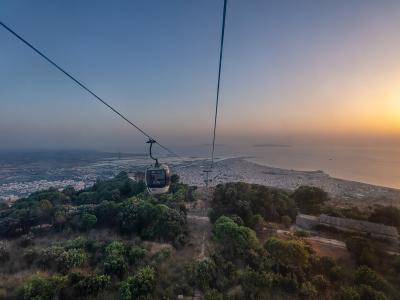
Cable Car (Funivia)
10-minute ascent to 703m with panoramic views
From €4 Coastal & Maritime · Scenic Viewpoints
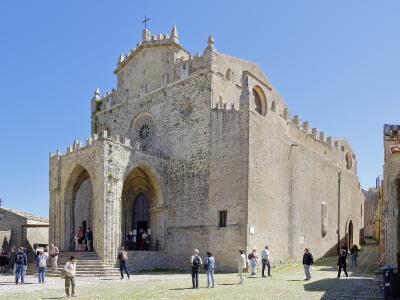
Real Duomo of Erice (Chiesa Madre)
1314 Gothic mother church with a 28 m tower of 108 steps
Historic Churches · Scenic Viewpoints
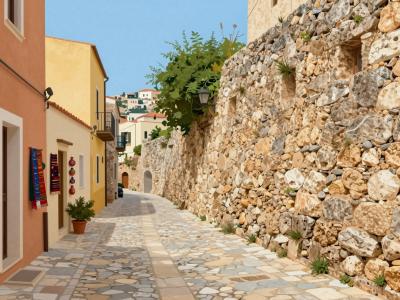
Erice Superiore (Medieval Town)
Medieval hilltop town on Monte Erice, Sicily
Castles & Fortresses · Historic Towns
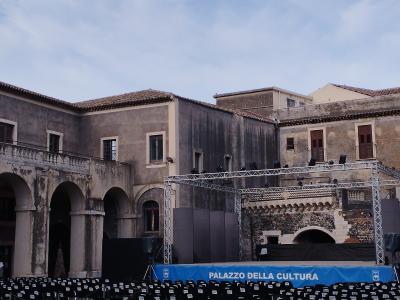
Palazzo della Cultura
Scientific culture center in restored Erice monastery
History & Heritage · Museums & Culture
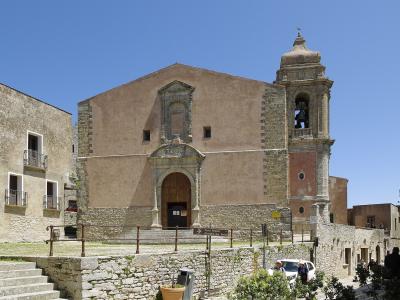
Chiesa di San Giuliano
Norman-founded church that keeps Erice's Good Friday Misteri groups
Historic Churches · Local Folklore
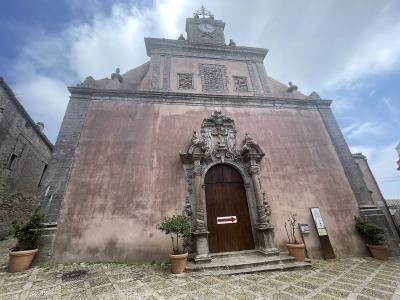
Chiesa di San Martino
Rebuilt 1692-1698, with a Baroque portal and clock-tower front
Historic Churches
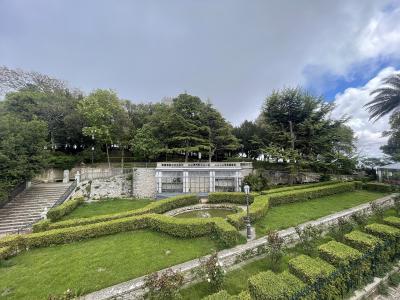
Giardino del Balio
1870s public garden below Venus Castle with views to the Egadi
Botanical Gardens · Scenic Viewpoints
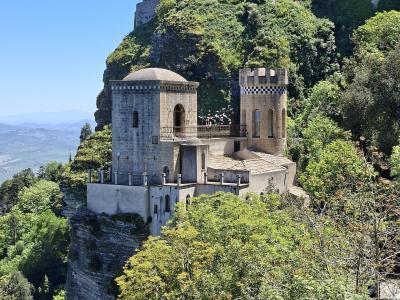
Torretta Pepoli
Count Pepoli's 1870s eclectic tower on the rock below Venus Castle
Architectural Monuments · Scenic Viewpoints
Erice by interest
The same sights, grouped by what you came for.
Did you know?
Checked facts about Erice, each with its source.
-
Legend
Erice Is Named After the Mythical King Eryx
Erice takes its name from Eryx, a legendary native king said to be the son of Aphrodite and the Argonaut Butes. The town's ancient temple of Venus Ericina stood where the Norman castle now rises.
Source: Italiani.it
Planning a visit to Erice
Good to know
- Currency
- EUR
- Language
- Italian
Quick Facts
Book your stay
Questions people ask
More places in Sicily
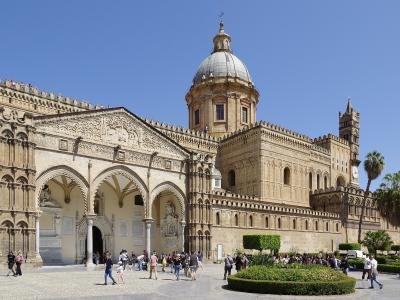
Sicily
Palermo
Sicily's vibrant capital blending Arab-Norman history with bustling markets
Sicily
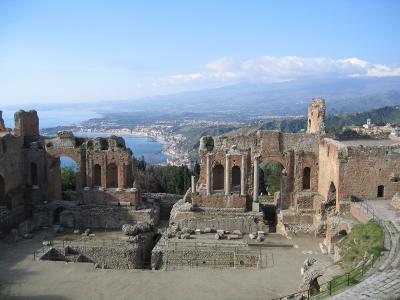
Taormina
Clifftop Sicilian town with Greek theater and Mount Etna views
Sicily
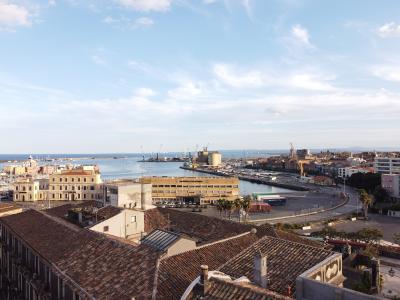
Catania
Vibrant Sicilian city beneath Mount Etna with Baroque architecture
Sicily
Siracusa
Ancient Greek metropolis in Sicily with Baroque Ortigia island