







- Where
- Erice, Sicily
- Directions
- Directions
Erice Superiore is the medieval hilltop town of Erice, in Western Sicily, which sits on the summit of Monte Erice, about 750 metres above the Tyrrhenian Sea, looking down on Trapani and its salt pans, and it is one of the most atmospheric small towns on the island. Its history stretches over nearly three thousand years. According to tradition, it was founded by the Elymians, one of the ancient peoples of Sicily, around 1100 BC, and it was later influenced by the Phoenicians, the Greeks, the Romans, the Arabs and the Normans, each of whom left traces. In antiquity, the mountain was famous for its sanctuary of Venus Erycina, the goddess of love, which was known across the Mediterranean and attracted pilgrims, and it was one of the most important cults of the classical world.
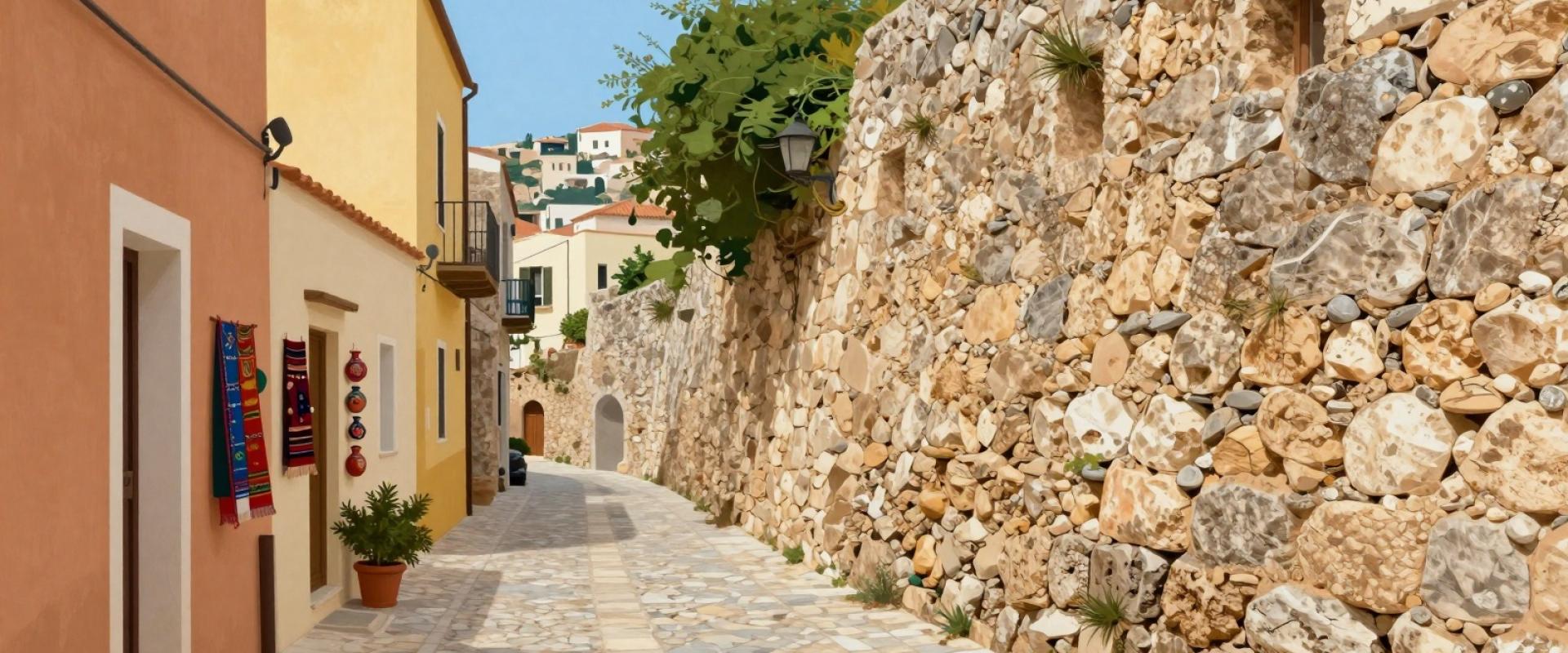
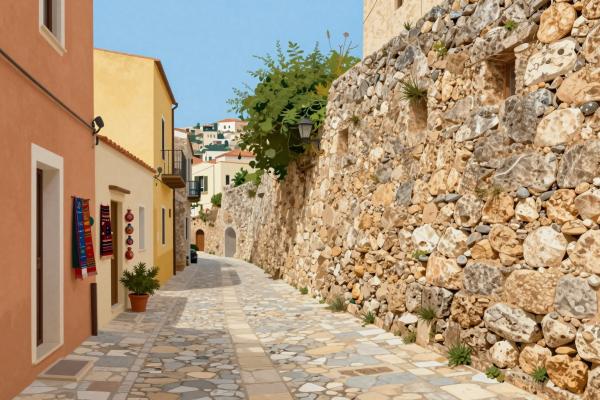
The town today has a unique layout. It is built on the triangular summit, and its streets, paved with grey limestone, form a pattern of narrow, winding, cobbled lanes that run in a triangle, flanked by stone houses with flowerpots and small courtyards. There are more than sixty churches, many of them small, and the Gothic Duomo, the Chiesa Madre, from the 14th century, with its porch and a separate bell tower that was once a watchtower, stands near the entrance. At the eastern tip of the hill stands the Castello di Venere, the Venus Castle, a Norman fortress built on the foundations of the ancient temple, with views over the sea. The castle is the symbol of the town. There are also the Torretta Pepoli, a 19th-century folly, and a number of small squares and viewpoints.
The views from the town are magnificent, extending over the coastline, the salt pans of Trapani, the Egadi islands and, on very clear days, according to local tradition, as far as the coast of Tunisia. One of the features of Erice is the weather. The mountain is often covered by mist and cloud, which rolls through the streets and gives the town an eerie, ethereal air, and the fog can arrive within minutes, so that a visit may change from sunshine to mist, a characteristic that adds to the mystery. The air is cool, even in summer, a relief from the heat of the plains.
The usual way to reach Erice is by the cable car, the Funivia, from Trapani, a ride of about ten minutes that gives splendid views as it climbs the mountain, or by a winding road. Once there, the town is compact and explored on foot, and the cobbles can be slippery in the damp, so good shoes are advisable. Erice is also famous for its pastries, particularly almond sweets and marzipan, and a famous pastry shop, Pasticceria Grammatico, where the pastries are made to old convent recipes, draws visitors, with a Sicilian sweet tooth. The Cable Car, the Castle of San Giulio, the Palazzo della Cultura and the viewpoint at the castle walls are among the sights. The town suits those who like medieval atmosphere, views and sweets, and it is best visited in the morning or late afternoon, when the day-trippers have left.
Categories
More photos coming soon
Nearby Attractions
Other places to visit in Erice
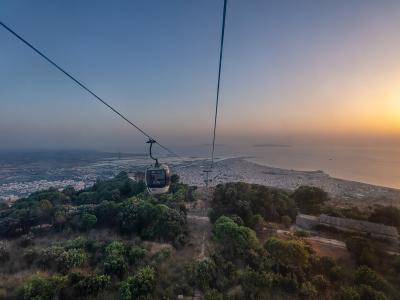
Cable Car (Funivia)
10-minute ascent to 703m with panoramic views
From €4 Coastal & Maritime · Scenic Viewpoints
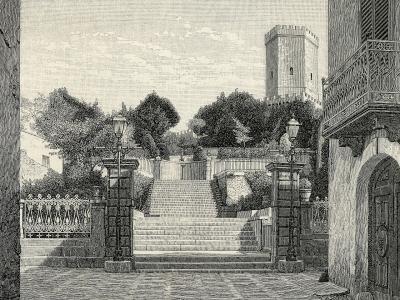
Castle of San Giulio
Medieval Venus Castle on Erice hilltop
From €1.50 Castles & Fortresses · Historic Towns
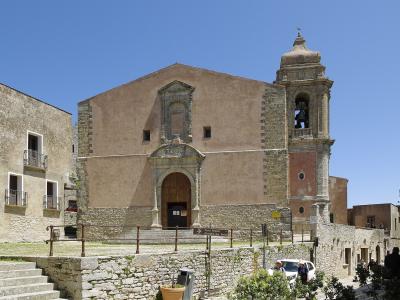
Chiesa di San Giuliano
Norman-founded church that keeps Erice's Good Friday Misteri groups
Historic Churches · Local Folklore
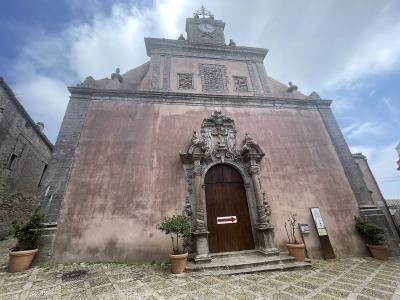
Chiesa di San Martino
Rebuilt 1692-1698, with a Baroque portal and clock-tower front
Historic Churches
Questions people ask
Quick Facts
Best Time to Visit
Visit between April and June or September and October for mild temperatures and fewer crowds.