







- Where
- Capri, Campania and Amalfi Coast
- Directions
- Directions
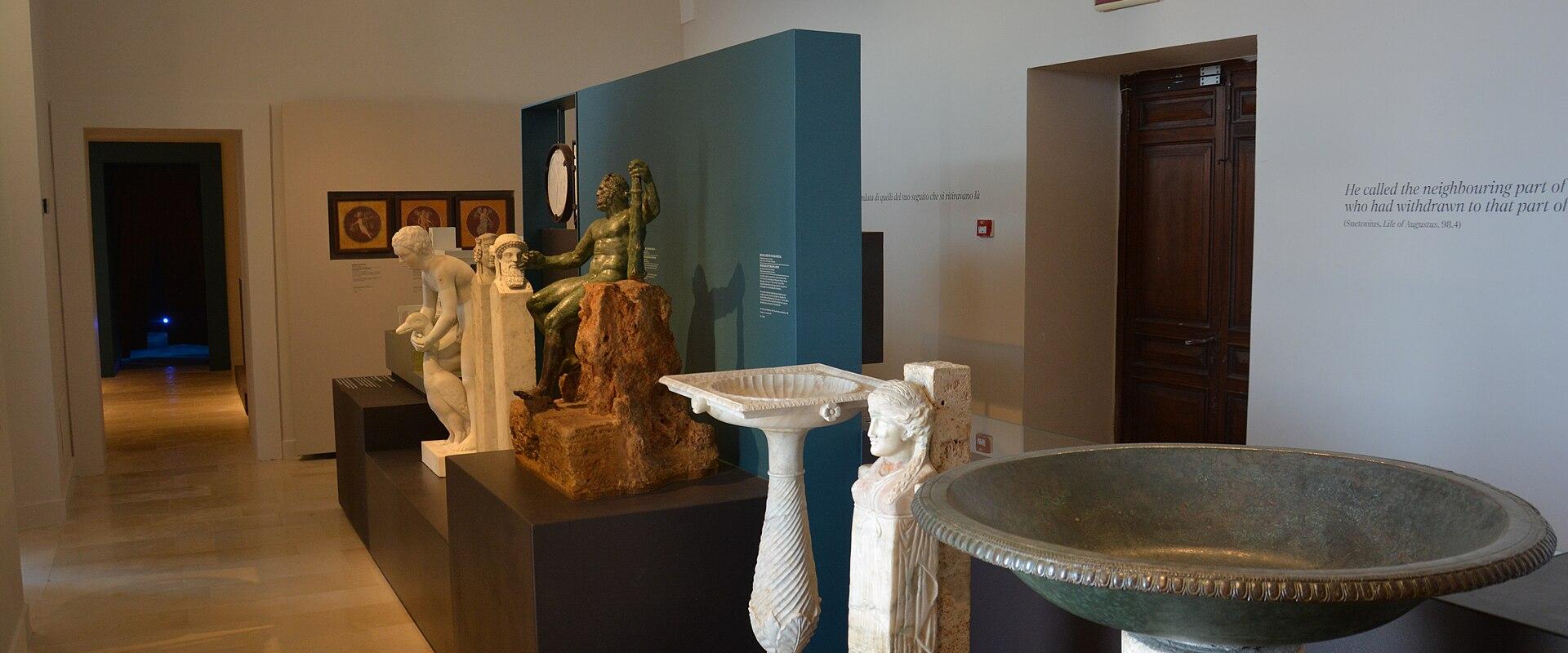
The Museo Archeologico Nazionale di Capri is the archaeological museum of the island, and it is housed in one of its most interesting historic buildings, the Certosa di San Giacomo, the Charterhouse of Saint James. This monastery of the Carthusian order was founded in the 14th century, in 1371, by Giacomo Arcucci, a count and a high official at the court of Naples, and it stands in a green hollow at the foot of Monte Tiberio, a short walk from the centre of Capri. The Certosa has cloisters, a church, chapels and a garden, and it is a quiet place with fine views, which also hosts the Diefenbach Museum, devoted to a German painter who lived on the island. The setting alone makes a visit worthwhile.
The archaeological collection tells the story of Capri in the time of the Roman emperors. The island was acquired by Augustus in 29 BC, who took it from Naples in exchange for the larger island of Ischia, and he made it a place of retreat. His successor Tiberius, who ruled from AD 14 to 37, spent the last decade of his reign here, governing the empire from the island, and he built or adapted a dozen villas, of which the largest, Villa Jovis, stands on the eastern cliff. Under these rulers, Capri enjoyed its greatest splendour in antiquity, and the finds that the museum displays come from that era, as well as from the Greek and prehistoric periods.
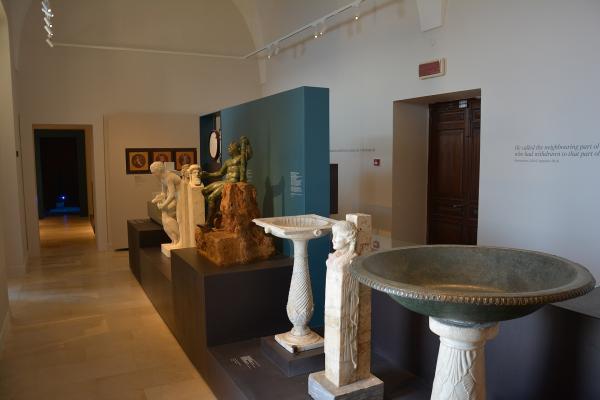
The core of the display, which tells of the Emperors Augustus and Tiberius, consists of objects found on the island in Campania, among them marble sculpture, columns and capitals, architectural fragments, mosaic floors, wall paintings, inscriptions, coins and everyday items, which for many years had been kept in storage in the Certosa or in the National Archaeological Museum of Naples. They have now been brought together for the public in rooms of the Certosa, including the Quarto del Priore, the Prior’s apartment, and the exhibition has presented them under the title L’isola dei Cesari, Capri da Augusto a Tiberio, the island of the Caesars. Numerous other objects of the same period, on loan from other collections, enrich the narrative and help to put the island in its imperial context.
Opening days and ticket prices change with the season, and temporary exhibitions may alter the arrangement of rooms, so it is wise to check the current information before visiting. A visit usually takes an hour or more. The museum is a convenient stop on a walk from the Piazzetta towards the Gardens of Augustus and Via Krupp, which both start close by, and it complements a visit to Villa Jovis, which has the best preserved remains of Tiberius’s palace. Other places to see on the island are the Blue Grotto, the Faraglioni, the Church of San Michele Arcangelo and Villa San Michele in Anacapri. The museum suits history lovers and anyone who enjoys the cool, quiet atmosphere of an old monastery.
Categories
More photos coming soon
Nearby Attractions
Other places to visit in Capri
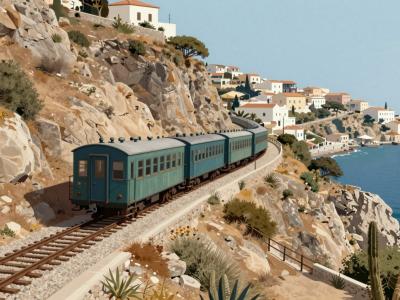
Anacapri Funicular
1907 funicular linking Capri's harbor to the hilltop
Coastal & Maritime · History & Heritage
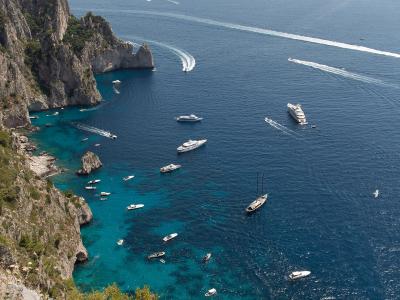
Blue Grotto (Grotta Azzurra)
Sea cave illuminated by sunlight through underwater openings
Activities & Wellness · Coastal & Maritime
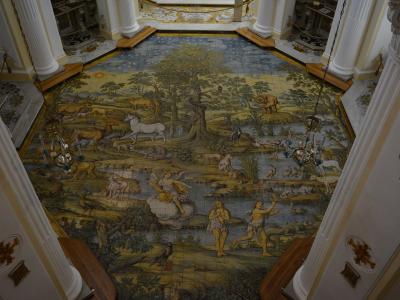
Church of San Michele Arcangelo
18th-century Baroque church with notable majica floor
Architectural Monuments · Historic Churches
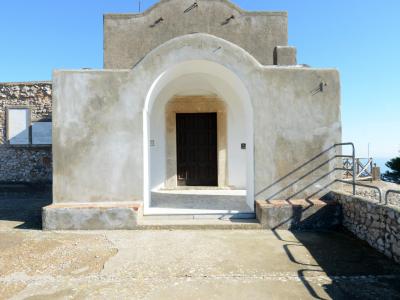
Church of Santa Maria del Soccorso
17th-century church atop Lo Capo hill
Ancient Ruins · Historic Churches
Questions people ask
Quick Facts
Best Time to Visit
Visit between April and June or September and October for mild temperatures and fewer crowds.