







- Admission
- €2.50 full price
- Children up to 12 free
- Where
- Capri, Campania and Amalfi Coast
- Directions
- Directions
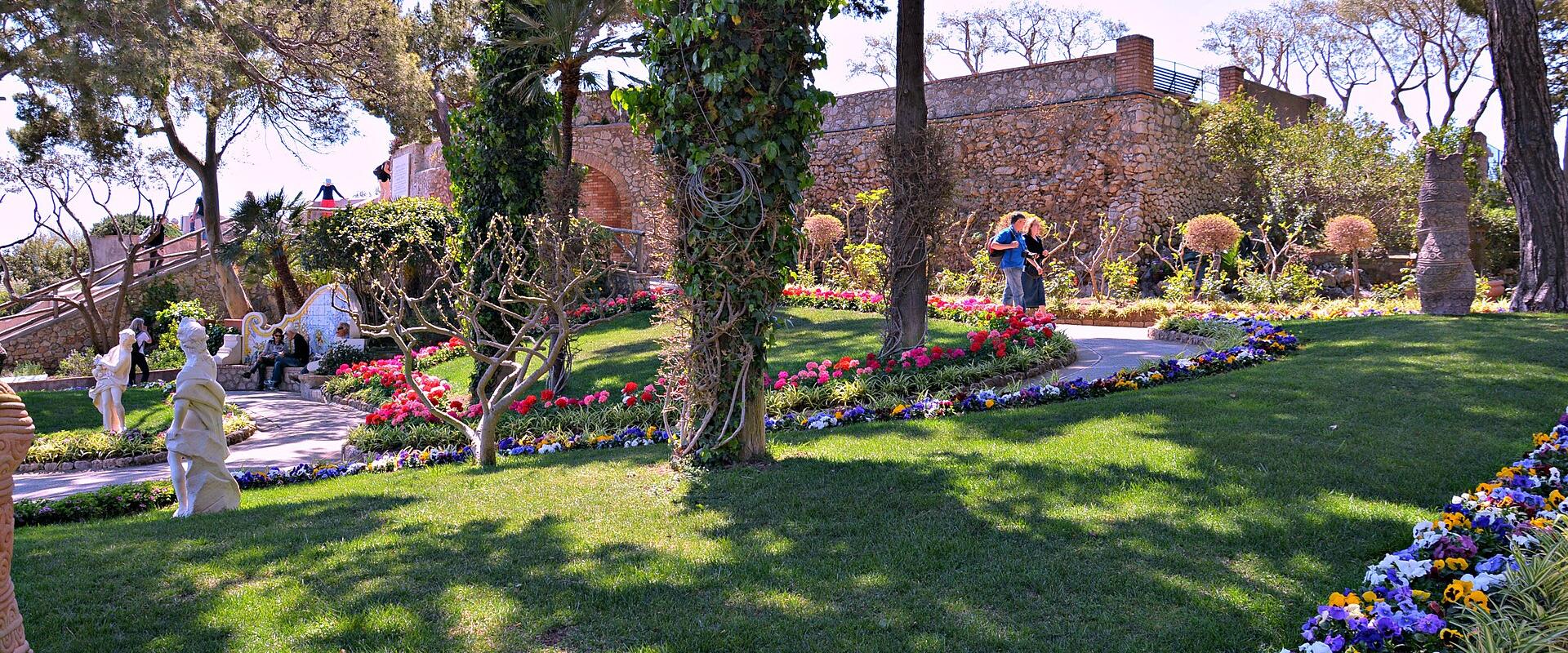
The Gardens of Augustus, the Giardini di Augusto, are a picturesque terraced garden on the south side of Capri, offering views of the Faraglioni rock formations and the azure waters of the Mediterranean Sea. They stand near the Piazzetta and the Charterhouse of San Giacomo, and they are easily accessible via Via Vittorio Emanuele, Via Federico Serena and Via Matteotti, a short walk from the centre of Capri town. They serve as a peaceful spot for visitors to relax and enjoy the natural beauty of the island, and they are among the most photographed places in Capri.
The gardens were created in the early twentieth century by the German industrialist Friedrich Alfred Krupp, who loved Capri and spent winters on the island, and who bought the land beside the Charterhouse to build a garden with views of the sea. They were originally called the Krupp Gardens, and after the First World War, they were opened to the public and renamed for the Roman emperor Augustus, who was fond of the island and who traded Ischia for Capri with the city of Naples, according to the ancient writers. The same patron paid for Via Krupp, the zigzag path that descends from the garden to Marina Piccola, which appears below the terraces as a ribbon of hairpin bends.
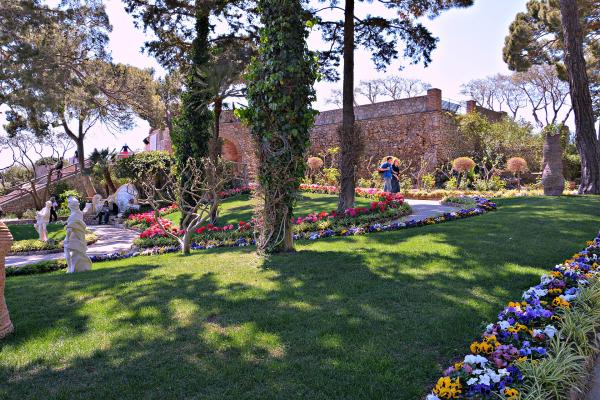
The garden is laid out in a series of terraces on the hillside, linked by steps and paths, with flower beds, shrubs and palms, planted with a mixture of Mediterranean and subtropical plants that bloom through much of the year. Roses, geraniums, bougainvillea, oleanders, agaves and bright borders give colour, and the sea breeze carries the scent of the flowers. Benches look out over the cliff edge, and the main terrace has a balcony. In the centre of the garden stands a bust of Lenin, since the Russian revolutionary visited Capri in the early twentieth century to meet the writer Maxim Gorky.
The main reward is the view. From the terraces you see the three Faraglioni, the huge rocks standing in the sea off the south-east coast, the curve of the bay of Marina Piccola, the Via Krupp and the sea in many shades of blue, and on clear days the coast of the Sorrentine Peninsula. The light at sunset is spectacular, though the gardens close earlier in winter.
The gardens are open year-round with seasonal variations, with longer days from spring to early autumn, and shorter days in winter, with last entry fifteen minutes before closing. A modest ticket is required, with free entry for young children, and tickets can be bought online. Groups should check the rules. Check the opening dates, since the gardens may close in part of the winter.
Exploring the gardens takes about forty minutes. They are close to the Grand Hotel Quisisana, one of the island's famous hotels, and the Charterhouse of San Giacomo, and the Blue Grotto is on the other side of the island, accessible by boat. Capri’s upper town is compact, with little shops and a number of restaurants, and Anacapri is reached by bus. Visit in the morning or at sunset.
Categories
More photos coming soon
Admission Fees
- Admission
- €2.50 full price; children up to 12 free
Hours and prices change, especially out of season. Check with the venue before you go.
Nearby Attractions
Other places to visit in Capri
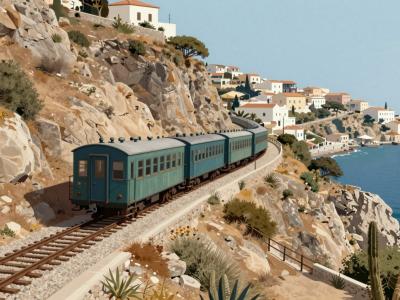
Anacapri Funicular
1907 funicular linking Capri's harbor to the hilltop
Coastal & Maritime · History & Heritage
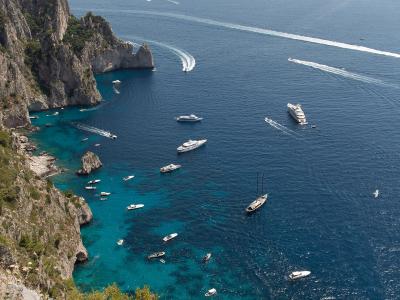
Blue Grotto (Grotta Azzurra)
Sea cave illuminated by sunlight through underwater openings
Activities & Wellness · Coastal & Maritime
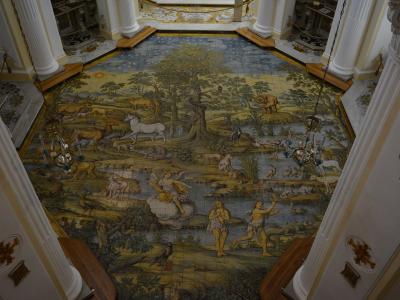
Church of San Michele Arcangelo
18th-century Baroque church with notable majica floor
Architectural Monuments · Historic Churches
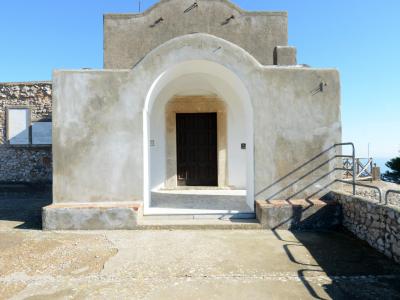
Church of Santa Maria del Soccorso
17th-century church atop Lo Capo hill
Ancient Ruins · Historic Churches
Questions people ask
Quick Facts
€2.50 full price
Children up to 12 free.
Best Time to Visit
Visit between April and June or September and October for mild temperatures and fewer crowds.