







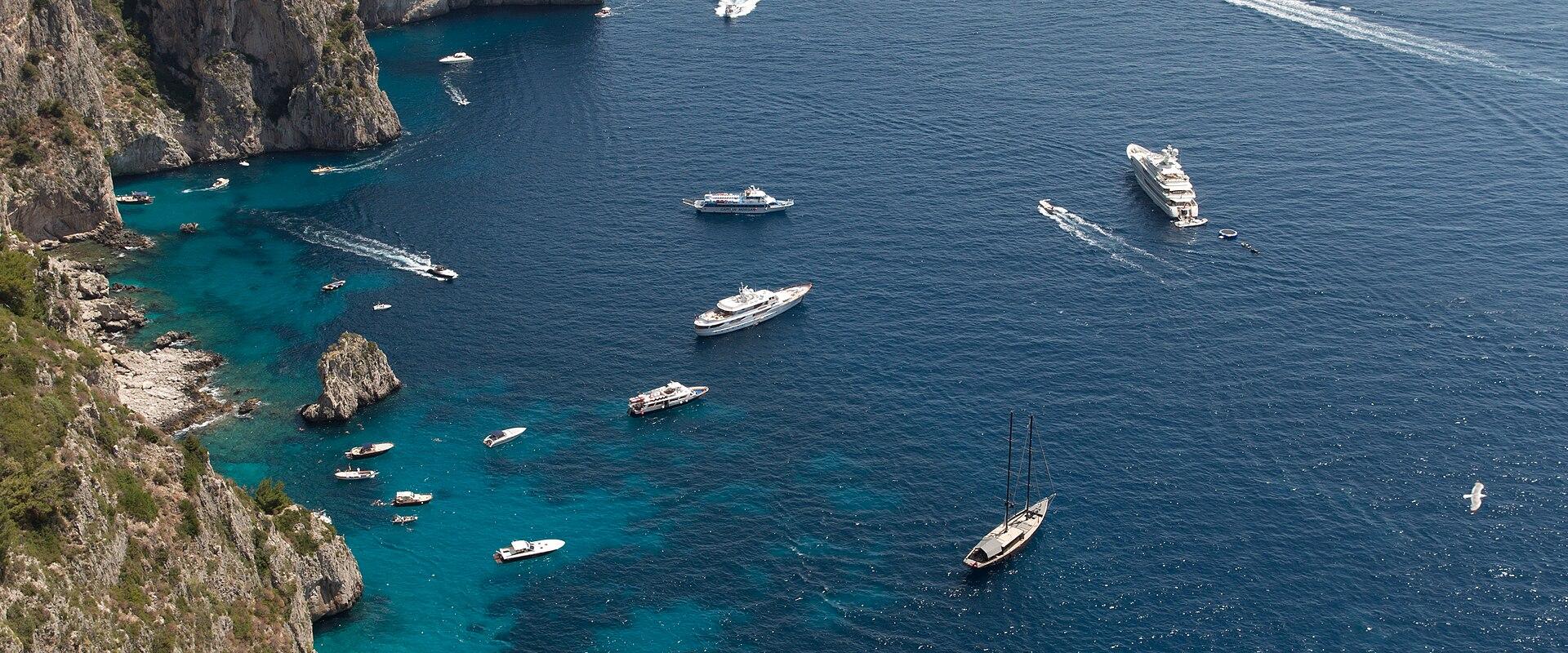
Blue Grotto (Grotta Azzurra)
Sea cave illuminated by sunlight through underwater openings
- Where
- Capri, Campania and Amalfi Coast
- Directions
- Directions
The Blue Grotto, the Grotta Azzurra, is a sea cave on the north-west coast of Capri, and it is famous for the intense blue light that fills its interior. The entrance is a small opening, hardly a metre high, just above the waterline, and the cave beyond opens into a chamber some sixty metres long. The light comes not through this opening but through a much larger underwater cavity beneath it. Sunlight passes through the water, is tinted blue as it travels, and floods into the cave from below, giving the water a luminous, almost electric blue shade, while any object that moves through it seems to glow silver. The effect depends on the sun and the sea, and it is best around midday on a calm day.
The cave was known in antiquity. The Romans visited it, and remains of a landing and of a passage show that it was used by the emperor Tiberius, who lived on Capri, perhaps as a private nymphaeum. In the Middle Ages the grotto was avoided by local people, who feared that it was haunted by spirits and witches. Its modern fame dates from 1826, when two German visitors, the writer August Kopisch and the painter Ernst Fries, explored it with the help of local fishermen and brought it to the attention of Europe. Since then it has been a highlight of any trip to the island and a favourite subject for artists and writers.
Visiting involves a small ritual. From the harbour at Marina Grande, a larger boat takes visitors along the coast to the mouth of the grotto, where they transfer to a small rowing boat holding a few people. Because the entrance is so low, passengers must lie flat in the bottom of the boat while the boatman pulls himself in along a chain, timing his move with the swell. Once inside, the boatman rows around the cave for a few minutes, often singing, and then goes out in the same way. The visit is short, and there is an extra fee for the rowing boat, in addition to the ticket for the larger boat.
The grotto is weather dependent. If the sea is rough or the swell is high, the entrance is closed, and in busy periods, queues for the rowing boats can be long, so check conditions and book ahead where possible. Wear warm clothing, since it can be cool, and carry a towel if you plan to swim from the boat, which is not permitted inside the grotto. The trip combines well with a boat tour around the island, which passes the Faraglioni of Capri and other rock formations, and with a visit to the Gardens of Augustus, Via Krupp and Villa Jovis. It suits anyone who wants to see one of Capri’s best-known natural wonders.
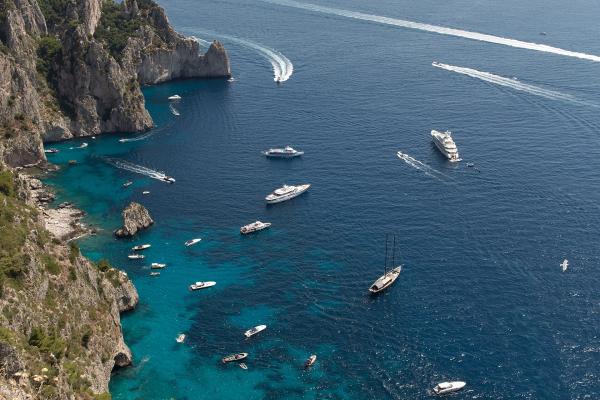
More photos coming soon
Nearby Attractions
Other places to visit in Capri
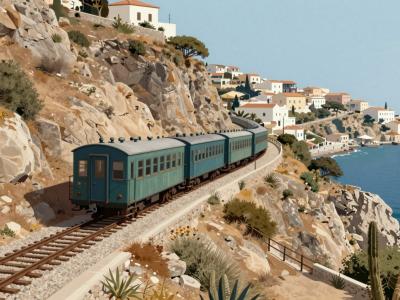
Anacapri Funicular
1907 funicular linking Capri's harbor to the hilltop
Coastal & Maritime · History & Heritage
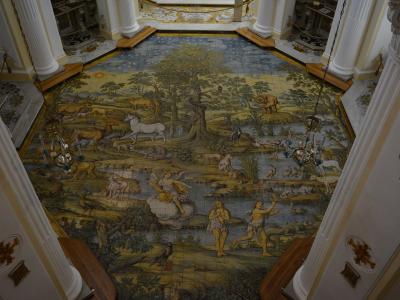
Church of San Michele Arcangelo
18th-century Baroque church with notable majica floor
Architectural Monuments · Historic Churches
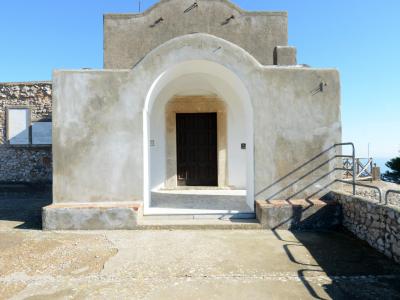
Church of Santa Maria del Soccorso
17th-century church atop Lo Capo hill
Ancient Ruins · Historic Churches
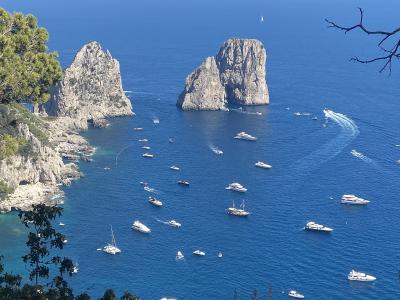
Faraglioni di Capri
Three iconic sea stacks rising 100m from the Mediterranean
Activities & Wellness · Coastal & Maritime
Questions people ask
Quick Facts
Best Time to Visit
Visit between April and June or September and October for mild temperatures and fewer crowds.