Bari
Capital of Apulia with historic old town and Adriatic coastline
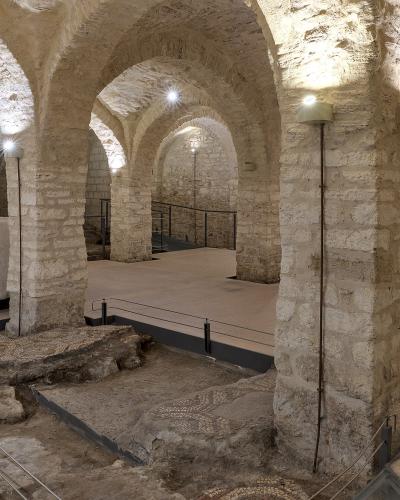
Bari’s history dates back to ancient times, with evidence of Messapian and Greek settlements. The city was significantly influenced by the Byzantine Empire, which left a lasting imprint on its architecture and culture. In the 11th century, Bari became a center of Orthodox Christianity after the relics of Saint Nicholas were brought from Myra. The city later came under Norman rule, followed by Angevin and Aragonese domination, each period adding layers to its architectural and cultural landscape. During the 19th and 20th centuries, Bari expanded beyond its historic walls, developing into a modern port city and industrial center. Today, it preserves its historic core, particularly Bari Vecchia, which offers a glimpse into its medieval and Byzantine past. The city has also become a center for education and research, hosting the University of Bari Aldo Moro.
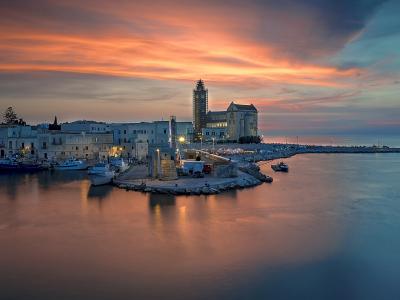
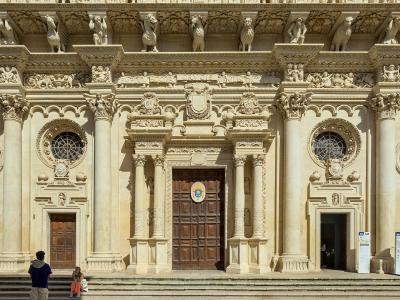
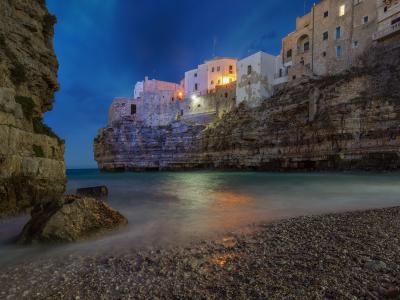
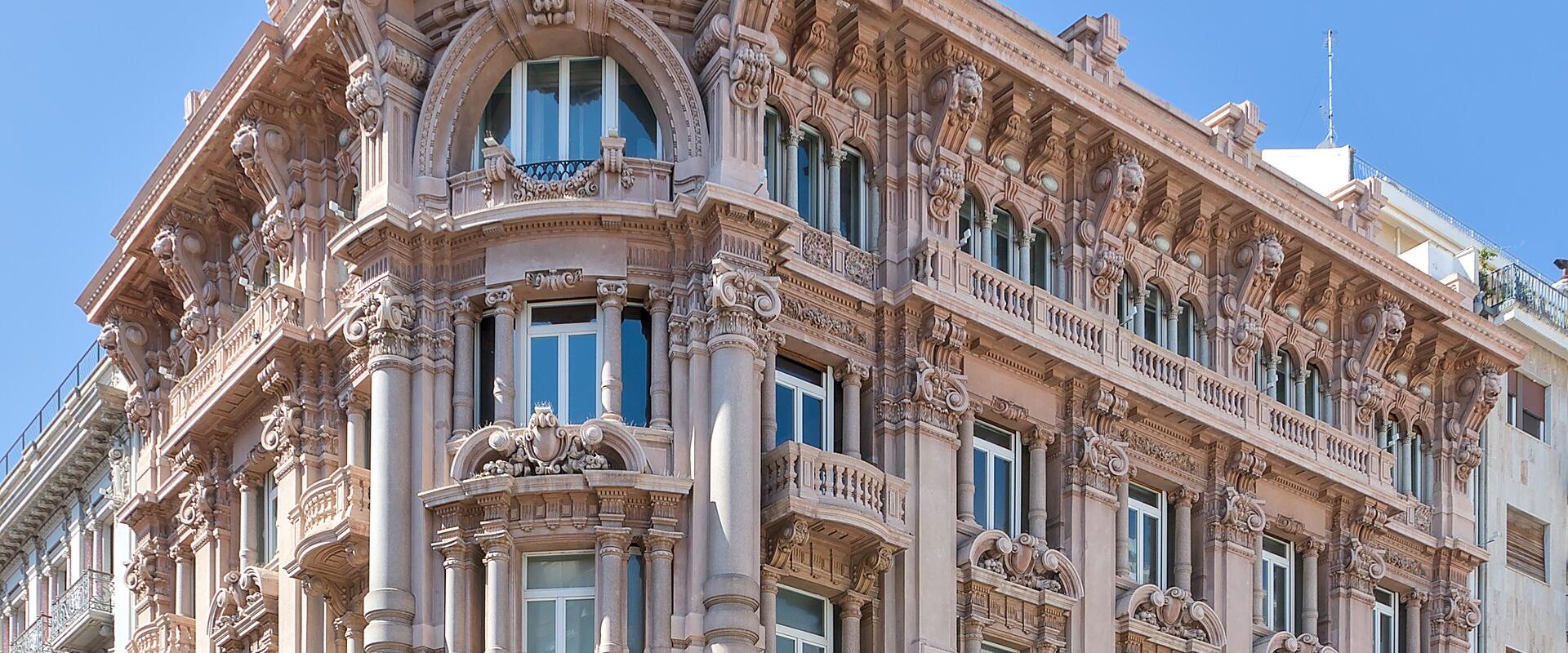
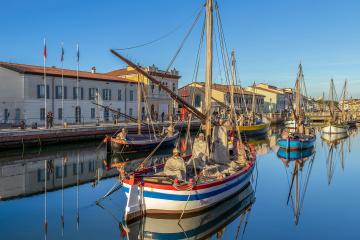
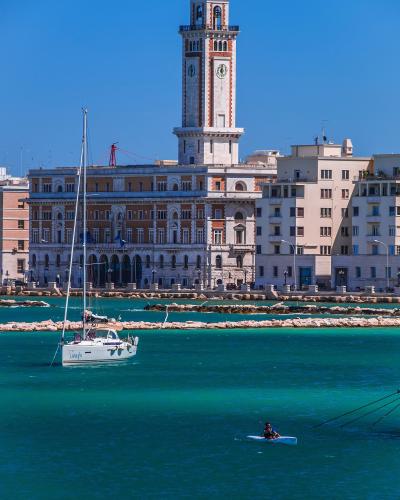
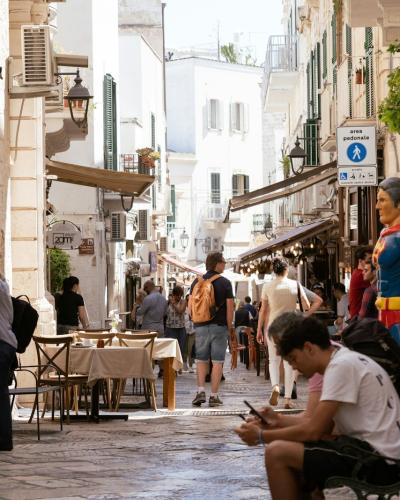
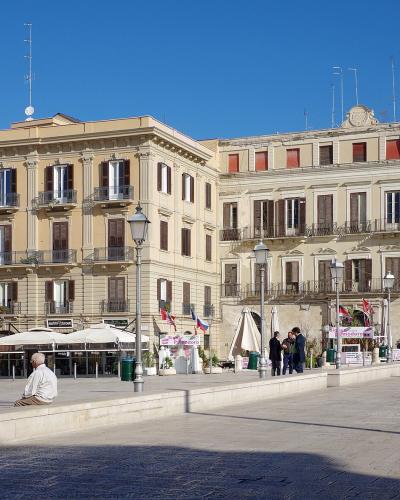
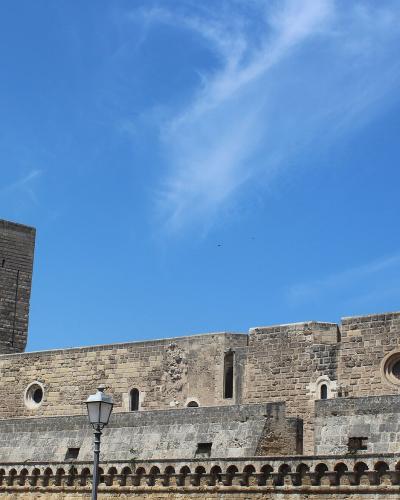
The main attractions in Bari are centered around Bari Vecchia and the Adriatic coast. The Basilica di San Nicola is the most significant landmark, housing the tomb of Saint Nicholas and featuring a mix of Romanesque and Byzantine architecture. The Castello Normanno-Svevo, a medieval fortress built by the Normans and expanded by Frederick II, offers panoramic views of the city and sea. The Cathedral of San Sabino, with its Romanesque facade and crypt, is another key religious site. The historic center is a labyrinth of narrow streets, lined with traditional shops, bakeries, and restaurants. The old harbor is a lively area where fishing boats dock, and visitors can enjoy fresh seafood. The Murat Quarter, the modern part of the city, features wide boulevards, elegant buildings, and the famous Lungomare, a seaside promenade offering stunning views of the Adriatic.
Activities in Bari include exploring the historic sites, visiting the markets, and enjoying the coastal scenery. The city is known for its traditional Puglian cuisine, including orecchiette pasta, burrata cheese, and fresh seafood. Visitors can take guided tours to learn about the city’s history and architecture. The surrounding area offers opportunities for beach visits, with nearby beaches like Lido San Francesco providing golden sand and clear waters. Bari also hosts various festivals and events throughout the year, including the Feast of Saint Nicholas. Shopping includes local ceramics, textiles, and food products. For those interested in history, guided tours are available to explore the Byzantine and Norman heritage of the city.
Getting to Bari is convenient via air, rail, and sea. Bari Karol Wojtyła Airport serves domestic and international flights. The city is well-connected by train to major Italian cities like Rome, Naples, and Venice. Ferries operate from Bari to destinations in Greece, Albania, and other Adriatic ports. Public buses and taxis provide transportation within the city. The best time to visit Bari is from April to June or September to October, when the weather is mild and pleasant, ideal for exploring the outdoor attractions and historic sites. July and August are peak tourist months, with higher temperatures and larger crowds. Winter is mild but can be windy. Despite the seasonal variations, Bari’s rich history and vibrant culture make it a rewarding destination year-round.
Best Time to Visit
Visit between April and June or September and October for mild temperatures and fewer crowds.
Plan Your Visit to Bari
Essential travel tips and information for your trip to Bari.
Suggested Itineraries
One Day in Bari
1 dayPerfect for a quick visit. See the main highlights and get a taste of local culture.
Extended Bari Experience
2-3 daysComprehensive exploration including nearby attractions and cultural experiences.
Travel Tips
Currency
EUR • Cards widely accepted
Language
Italian • English in tourist areas
WiFi
Free WiFi in cafes and hotels
Explore Bari by Interest
Discover attractions and experiences in Bari organized by your interests and travel preferences.
All attractions in Bari
Sorted by our recommendation score
Quick Facts
Book your stay
Frequently Asked Questions
More destinations in Apulia
Explore other amazing places in the Apulia region