
The Concrete Maze of ZTLs
Navigating Italy’s historic cores requires a fundamental shift in mindset. Most city centers are enclosed by ZTLs—Zone a Traffico Limitato—strictly enforced restricted traffic zones that operate with rigid automation rather than human discretion. These barriers exist to preserve fragile architecture from modern congestion, but they function as digital tripwires for the unprepared driver.
High-definition cameras track every vehicle entering these zones, instantly logging license plates against a database of authorized drivers. If your rental car lacks the proper permit, a fine is generated within days and mailed directly to the rental agency. The agency then forwards the charge to you, often adding their own administrative fees on top of the original penalty. Hotels rarely handle these permits automatically, leaving travelers to verify access individually before driving into town. A single violation can easily exceed €100, a steep price for overlooking a small black-and-white sign posted at the zone’s entrance.
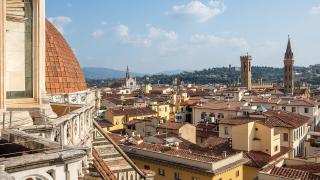
Instead of risking fines and stress, park outside the designated perimeter and explore on foot. Walking through narrow alleyways in places like Bologna or Florence reveals intricate architectural details that cars simply cannot access. Public transit options, such as regional trains or local buses, provide efficient alternatives for moving between urban hubs without the headache of urban parking.
Planning your route with local advice ensures a safer, smoother experience. Prioritizing pedestrian exploration not only saves money but also allows for a deeper connection with the environment. The city reveals itself not from the backseat of a car, but from the sidewalk.
Parking: The Art of the Search
Italian street parking operates on a strict color code that demands immediate attention. Blue zones require a ticket, which you buy from nearby kiosks or via apps like EasyPark. Ignoring these rules invites hefty fines, so always check the signage before you walk away. White lines offer free spots, but they vanish quickly in popular areas. Gray lines are reserved for permit holders, and cameras watch these zones closely.
In historic centers, the stress of finding a space often outweighs the convenience of having a car. Local residents navigate ZTL (Limited Traffic Zones) with ease, but tourists risk automatic fines. Instead of circling blocks for an hour, consider using ParkMe to pre-book a garage spot. This small investment saves significant time and frustration.
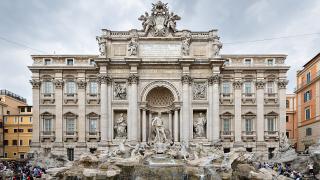
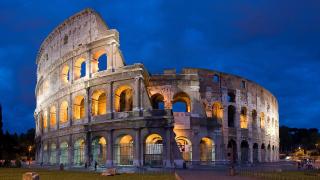
Take Rome’s historic center as an example. Trying to drive through those narrow, cobblestone streets can feel like navigating a maze blindfolded. Public transport and walking often provide a smoother, more authentic experience. You might even discover hidden cafes or shops you would have missed behind the wheel. Leave the car parked and explore on foot when possible.
Navigating Italian streets demands vigilance. Blue lines indicate paid zones where you must purchase a ticket from nearby kiosks. White lines offer free parking but availability is extremely limited. Gray lines are strictly reserved for local residents with permits. Cameras monitor these areas closely. Use apps like EasyPark or ParkMe to pre-book garage spaces in advance. This strategy saves time and avoids hefty fines. Always verify signage before leaving your vehicle. Skipping the car in historic centers is often the smarter choice.
When to Leave the Keys at Home
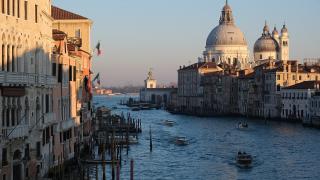
Driving in Italy frequently transforms a dream vacation into a logistical nightmare. Urban centers like Rome and Venice are notoriously difficult to navigate by car, making public transit the smarter choice. Venice presents a unique case, as it has no roads for vehicles whatsoever, requiring you to arrive by train or boat.
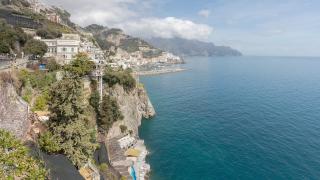
The high-speed rail network offers a seamless alternative for exploring historic centers. You can hop between Cinque Terre villages in under thirty minutes, avoiding the stress of parking and the hefty fines associated with restricted traffic zones. These ZTL fines can easily reach one hundred euros, a cost that adds up quickly when you factor in the convenience of efficient, affordable trains.
Reserve rental cars for rural regions like Tuscany, where the countryside truly demands wheels. For urban adventures, stick to trains and leave the keys at home. This approach saves money and reduces stress, letting you focus on the experience rather than the drive. Download the free checklist to start planning your smart, car-free Italian itinerary today.
Driving in Italy often creates more stress than enjoyment. Cities like Rome and Venice are best explored on foot or by train. Venice has no roads for cars at all. Trains efficiently connect Cinque Terre villages in under thirty minutes. You save money and avoid ZTL fines that cost up to 100 euros. Public transport is cost-effective and stress-free. Rent cars for rural areas like Tuscany instead. Use trains for urban centers. Leave the keys at home in busy cities. Download the free checklist and start planning today!
The Rental Counter Checklist
Forget parking in Rome’s historic heart, where ZTL zones levy steep fines on unauthorized drivers. Opting for a manual transmission car slashes daily rates, while insisting on full coverage insurance at the counter shields your wallet from excess liability. Snap timestamped photos of every scratch before you drive off to prevent disputes later, and always confirm the fuel policy—most agencies demand a full-to-full return. Before crossing into France or Switzerland, verify border permissions, as restrictions are common. In Naples, navigate chaotic streets by using official garages to dodge tickets, and drive cautiously on narrow coastal routes to keep both your safety and budget intact.