Step Into a Time-Traveler’s Paradise
Sicily’s capital thrums with a vitality that simply cannot be replicated on any alpine ridge. I am Luca Venturi, a man who typically seeks the cold, sharp adrenaline of the Dolomites, yet Palermo demands a different kind of courage. Here, the rush is intellectual and visceral, born from walking through streets where Arab, Norman, and Byzantine influences collide without apology. This UNESCO-listed zone is not merely a collection of stones; it is a narrative etched in gold leaf and intricate mosaics.
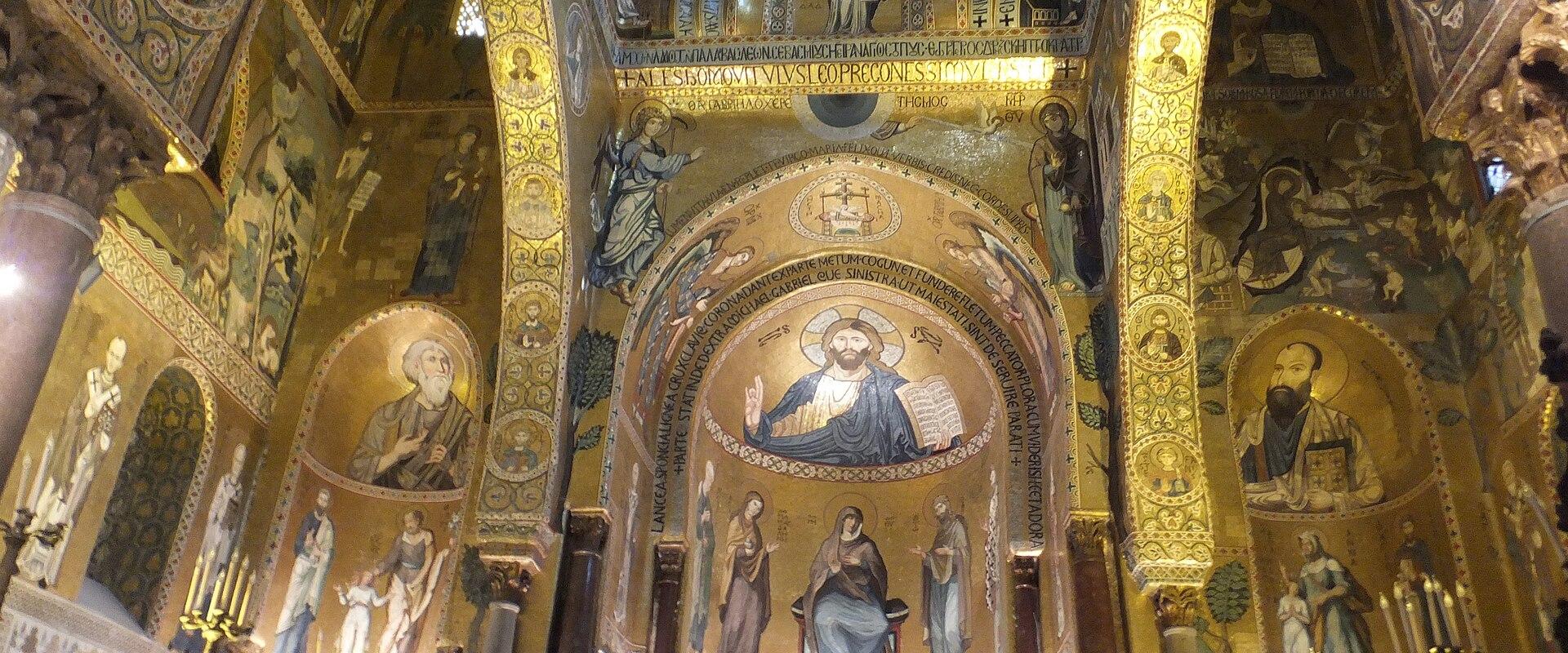
Inside the Cappella Palatina, constructed under King Roger II, the atmosphere grows heavy with the weight of centuries. Nordic structural verticality merges seamlessly with Islamic geometric precision, creating a visual harmony that defies easy explanation. This architectural marriage, solidified in the 11th and 12th centuries, offers a chaotic yet profoundly beautiful testament to cultural fusion. You will find yourself lingering, tracing the patterns on the walls, aware that you are standing inside a living museum where history breathes through every archway.
Gold, Geometry, and God: The Cappella Palatina
King Roger II claimed this private chapel as his sanctuary, a space where prayer and power intertwined. Inside, the air feels thick with centuries of quiet devotion. Six thousand square meters of gold leaf mosaics cover the walls, creating an immersive sea of light that seems to float above the stone. It is a sensory overload designed to humble the observer.
Above, the muqarnas ceilings cascade downward like stalactites, showcasing the refined precision of Islamic artistry. These geometric forms do not merely decorate; they demonstrate how Norman, Byzantine, and Arab traditions converged in 12th-century Sicily. The result is not just a religious site, but a rare architectural harmony that defies simple categorization. Every perspective reveals a new layer of complexity. One moment you are struck by the sheer scale of the gilded surfaces; the next, you notice the delicate interplay of geometry in the vaults. It is a visual experience that demands both your camera and your full attention.
Cathedrals That Tell Stories of Conquest
This building is a palimpsest of history, starting as a grand mosque before being converted into a cathedral. You can trace the Arab-Norman fusion in the intricate geometric patterns that adorn the walls. The crypt holds the sarcophagus of Frederick II, adding a layer of imperial gravity to the space. Admission is a modest five euros, which feels like a small price for such immersion. Look up to see the gold mosaics shimmering under the light, telling biblical stories in vivid detail. The weight of centuries feels tangible here, making history feel immediate and alive.
Lost in the Kalsa: Palaces and Plazas
The Kalsa district hums with a rhythm distinct from the rest of Palermo, where the weight of history settles into the cobblestones. Here, the Arab-Norman legacy is not merely a museum exhibit but a living, breathing fabric woven from Nordic, Byzantine, and Islamic threads. You notice it immediately in the pointed arches and the intricate geometric inlays that adorn the 11th-century structures, creating a visual dialogue between faiths that once coexisted in this corner of the Mediterranean.
Rising above the street noise, the Palazzo dei Normanni stands as a testament to King Roger II’s private ambition. Its walls hold centuries of political maneuvering, while just inside, the Cappella Palatina dazzles with gold mosaics that seem to capture light even in the deepest shadows. These mosaics do not just decorate; they narrate the divine right of kings, offering a glimpse into a court where Latin, Greek, and Arabic scripts danced together on the walls.
Stepping down from the palace steps, the atmosphere shifts to the vibrant chaos of Piazza Verdi. Grabbing a coffee here feels less like a break and more like an immersion into the city’s current heartbeat. Locals linger over espresso cups, debating politics and football, while the architecture watches silently. This UNESCO site offers more than just ruins; it provides a living narrative of Sicily’s complex past, inviting you to walk slowly and let the stones speak for themselves.
Pack Your Bags for Sicily!
Sicily’s Arab-Norman heritage in Palermo resists easy labeling. King Roger II’s influence lingers in the Cappella Palatina’s shimmering gold mosaics and the Norman Palace’s stone towers. A three-hour walk with sturdy shoes reveals how Nordic, Greek, and Islamic aesthetics merge. Bring curiosity. The history is tangible.