Why booking ahead matters
At Italy's most visited museums, the question is often not how much a ticket costs but whether one is available at all. Many sites now sell entry in timed slots, and some cap numbers strictly to protect fragile rooms. In high season, walking up without a booking can mean a long queue, a sold-out day, or paying far more to a reseller.
The general rule: for the handful of headline sites below, book as soon as your dates are fixed. For most other museums, booking a day or two ahead, or simply turning up, is fine.
Always use the official channel
A search for any major museum returns many resellers, tour companies and lookalike sites that charge well above the official price. Before paying, check the web address against the museum's own website.
- Colosseum, Roman Forum and Palatine: the Parco archeologico del Colosseo sells tickets through its own platform, linked from colosseo.it. Tickets are issued in the visitor's name, so carry ID that matches the booking.
- Vatican Museums and Sistine Chapel: museivaticani.va. Booking online carries a pre-sale fee but avoids the ticket queue outside the walls.
- Galleria Borghese, Rome: reservation is mandatory, with timed visits of about two hours. Book through the gallery's official site.
- Uffizi, Florence: uffizi.it, which also covers Palazzo Pitti and the Boboli Gardens.
- Galleria dell'Accademia, Florence (Michelangelo's David): the Accademia's official site.
- The Last Supper, Milan: the Cenacolo Vinciano is seen in small groups for a short, fixed time. Tickets are released in batches and the most popular dates go quickly.
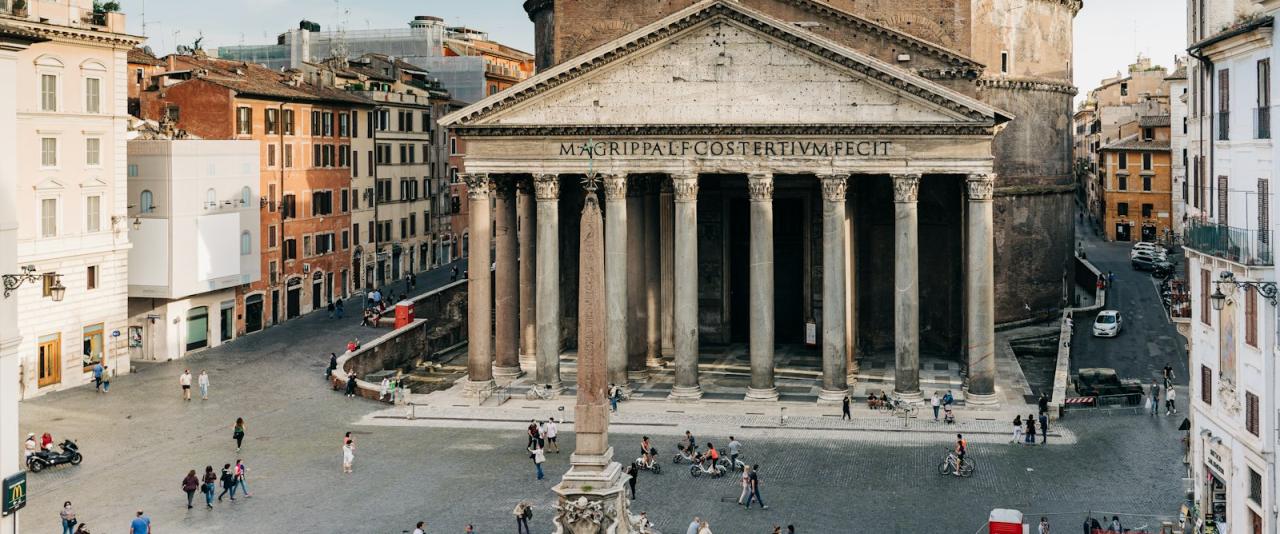
- Pantheon, Rome: entry has required a ticket since 2023, bookable through the Pantheon's official site.
Prices change, and several sites now use different rates by season or time of day, so check the current price on the official page when you book.
Which sites need the most notice
Book weeks ahead, especially from Easter to October:
- The Last Supper in Milan, which is the hardest ticket in Italy because group sizes are tiny.
- Galleria Borghese, where slots are limited and reservation is compulsory.
- The Colosseum, particularly for areas such as the underground and arena floor that have separate, smaller quotas.
- The Vatican Museums on busy days.
Book a few days ahead: the Uffizi and the Accademia in Florence, Pompeii in summer, the Doge's Palace in Venice on weekends.
Usually fine without booking: most civic museums, archaeological museums outside the big cities, and churches (some charge a small entry fee for specific chapels or cloisters).
How timed entry works
A timed ticket gives you an entry window, not a time limit on the visit, except at places like Galleria Borghese and the Last Supper that run fixed sessions. Arrive 15 to 30 minutes early, because there is still a security check with bag scanners. Large backpacks, suitcases and sometimes umbrellas must go to the cloakroom, and some sites do not accept large luggage at all.
Read the ticket carefully: some show a separate meeting point for reservations, and at sites like the Colosseum the time on the ticket is strict. Changes and refunds are often not allowed on standard tickets.
Free and discounted entry
Italian state museums and archaeological parks generally offer free entry on the first Sunday of the month under the national "Domenica al museo" scheme. Free days are very popular, some sites still require a reservation, and the busiest places can reach capacity early. If time in Rome or Florence is short, a paid timed ticket on another day is often the better choice.
State sites also usually offer reduced or free entry for young visitors: for example, at the Baths of Caracalla in Rome, under-18s enter free and 18 to 25 year olds pay a reduced rate. Bring ID to prove age. The Vatican Museums are run by the Holy See, not the Italian state, and follow their own schedule: they are normally closed on Sundays except the last Sunday of the month, when entry is free and queues are long.
Combined tickets and city passes
Some sites are sold only as combined tickets: one Colosseum ticket covers the Roman Forum and Palatine too, and Uffizi tickets can be combined with Palazzo Pitti and the Boboli Gardens. City cards such as the Roma Pass or Firenze Card can save money if you plan to visit many museums in a short time, but they do not always include the timed reservation, so you may still need to book slots separately. Compare the card price with the official ticket prices for the sites you actually plan to see.
Practical checklist
- Fix the dates for headline sites first, then plan the rest of the itinerary around them.
- Book only from official websites or the national Musei Italiani app for state museums.
- Keep confirmation emails and QR codes on your phone, with a screenshot in case of poor signal.
- Bring photo ID that matches the name on any nominative ticket.
- Check dress codes for churches and the Vatican: shoulders and knees covered.