







- Where
- Viterbo, Lazio
- Directions
- Directions
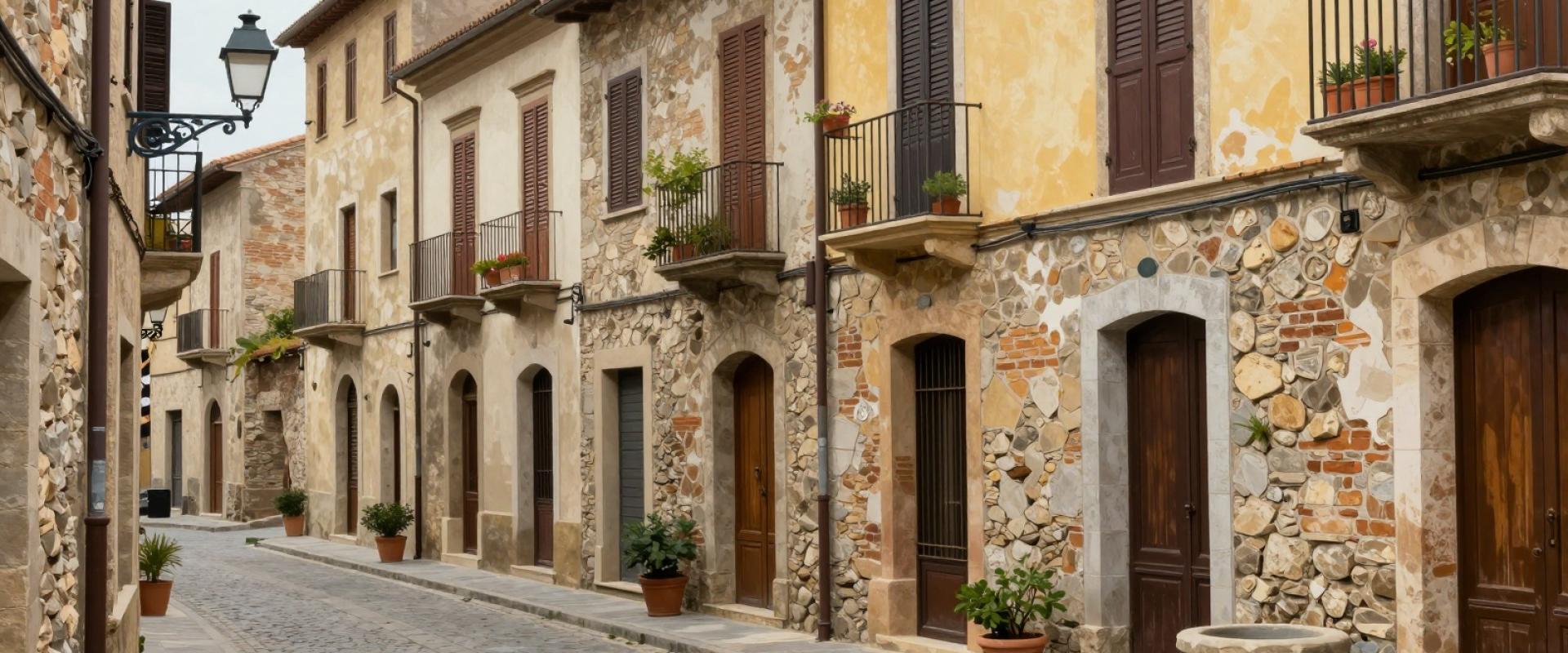
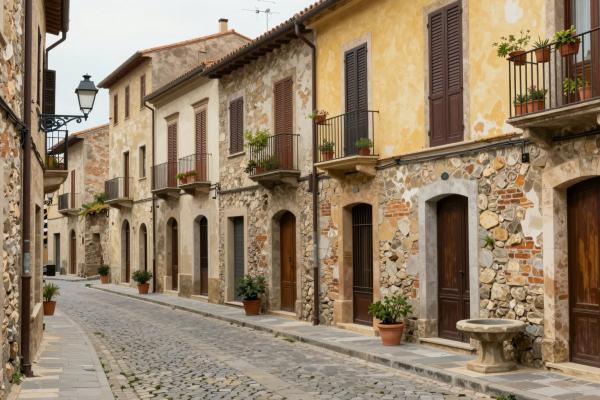
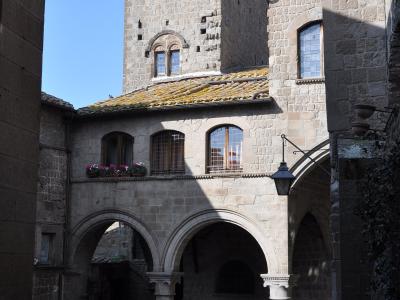
Viterbo’s Old Town, the Centro Storico, is one of the best preserved medieval Italian centres in central Italy, inside a ring of walls on the edge of the Tuscia region, in northern Lazio, an hour or so north of Rome. It earned the city its nickname, the City of Popes. During the thirteenth century, Viterbo served as a papal seat for long periods, and several popes lived and were elected here, a period that left a lasting architectural and cultural imprint on the area. The historic centre is characterised by narrow, winding alleys and stone buildings that create an authentic atmosphere, distinct from the more modern parts of the city, and its lanes retain a medieval layout of arches, towers and outdoor stairs.
A key landmark within the old town is the Palazzo dei Papi, the Papal Palace, a significant monument where major historical events took place. It was built in the thirteenth century beside the cathedral on a hill, with an elegant Gothic loggia of slender columns overlooking a valley, and it was the residence of the popes. Here, from 1268 to 1271, the longest papal election in history took place, after the cardinals could not agree on a successor. The local authorities, exasperated by the delay, locked the cardinals in and eventually reduced their food and removed the roof of the hall, and the system of locking the cardinals in, the conclave, from the Latin for with a key, is said to date from this episode. The site provides context for the city's political importance during the Middle Ages.
Another notable area is the San Pellegrino district, which retains its medieval character with intricate alleyways and historic residences, with houses built with outer stone staircases, called profferli, and small bridges between buildings. It is the best preserved part of the old town and has its own entry in this guide. Elsewhere in the centre, you find fountains, such as the Fontana Grande, a Gothic fountain of the thirteenth century, and the broad Piazza del Plebiscito, with the Palazzo dei Priori, the town hall, decorated with frescoes.
Visitors can explore the old town by walking along the main streets and then turning into the side lanes, with no need for a plan. The stone is a dark grey volcanic rock, peperino, which gives the buildings a distinctive look. Beyond the walls, hot springs, which have been used since Roman times, feed several thermal pools, so a visit to the Old Town can be combined with a soak. Viterbo’s great festival, in early September, is the Macchina di Santa Rosa, when a tall illuminated tower is carried through the streets by hundreds of men, an event that dates back to the eighteenth century.
The Old Town is easy to reach by train from Rome. Allow half a day, wear sturdy shoes, and look up to see the towers and arches.
Categories
More photos coming soon
Nearby Attractions
Other places to visit in Viterbo
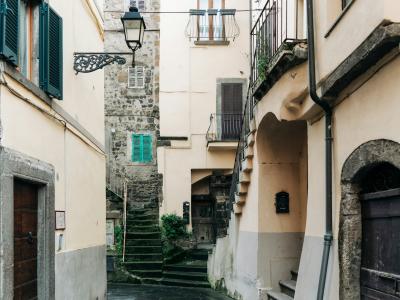
Borgo San Pellegrino
Best-preserved medieval quarter in Europe
Cultural Tours · Historic Districts
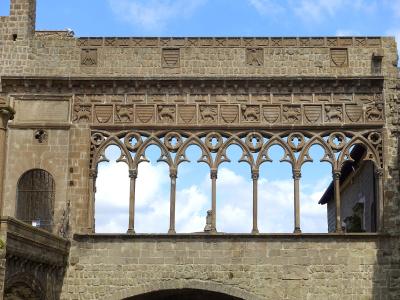
Palazzo dei Papi
13th-century papal palace in Viterbo
Architectural Monuments · Historic Palaces
Piazza San Pellegrino
Viterbo's medieval heart with 13th-century towers
Architectural Monuments · Historic Districts
Questions people ask
Quick Facts
Best Time to Visit
Visit between April and June or September and October for mild temperatures and fewer crowds.