
Spoleto
Ancient Umbrian hill town with Roman bridge and Festival of Two Worlds
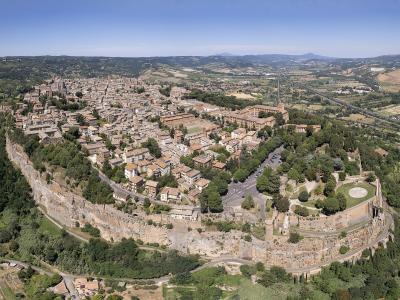
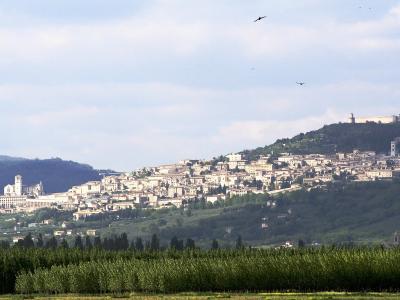
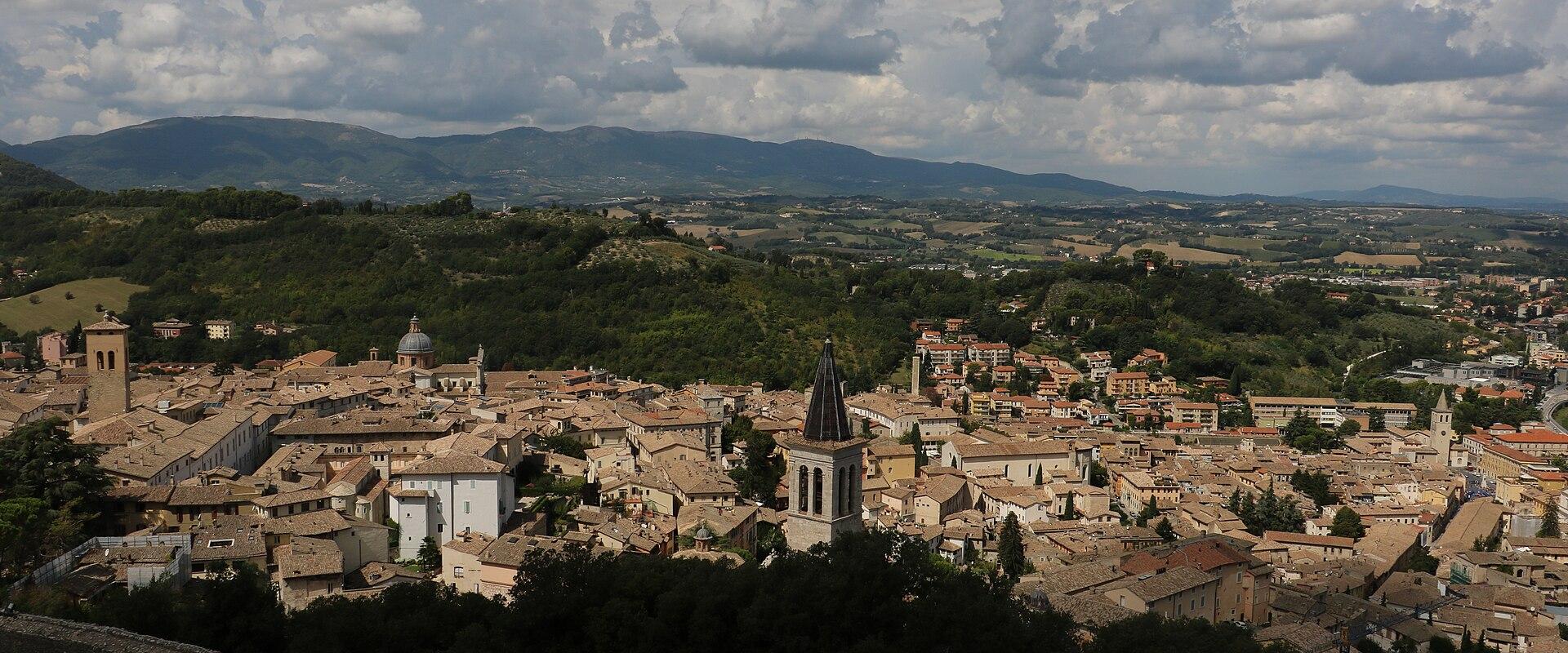
Spoleto’s history dates back to the Samnites, who founded the city as Spoletium. The Romans conquered it in 299 BC, establishing it as a strategic military and commercial center on the Via Flaminia. During the Middle Ages, Spoleto became a powerful Lombard duchy, one of the most significant in Italy, before coming under Papal control in the 16th century. This long and complex history is reflected in its architecture, which spans Roman, Lombard, Gothic, and Renaissance styles. The town was heavily damaged during World War II but has been meticulously restored. Today, Spoleto preserves its historic center, characterized by narrow winding streets, medieval towers, and grand piazzas. It is also famous for its cultural contributions, particularly through the Festival dei Due Mondi, which has transformed the town into a global center for music and theater since 1958.
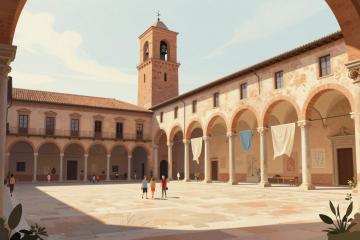
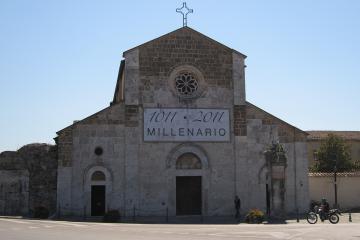
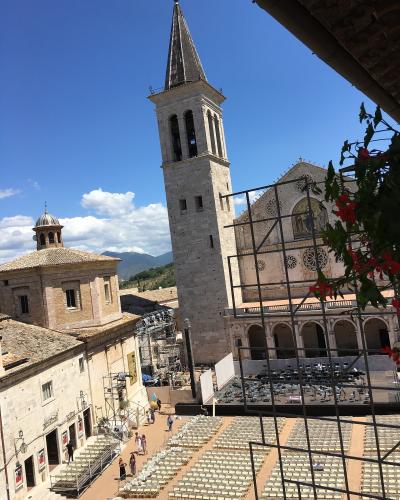
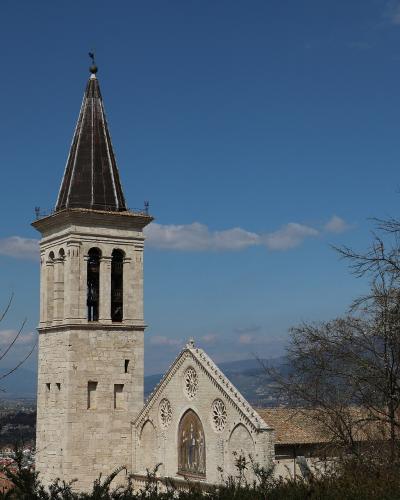
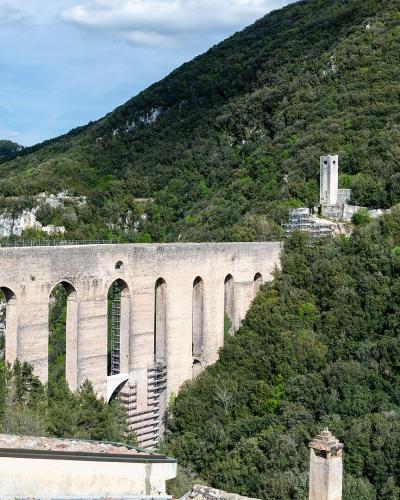
The main attractions in Spoleto are centered around its monumental architecture and cultural venues. The Ponte delle Torri is a 13th-century aqueduct bridge, one of the longest in Europe, offering panoramic views of the town and valleys. The Rocca Albornoziana, a massive medieval fortress, dominates the skyline and houses the National Gallery of Umbria, featuring works by Perugino and Pinturicchio. The Cathedral of San Pancrazio, with its Romanesque facade and Gothic interior, is a key religious site. The Roman Amphitheater, partially excavated, offers insights into the town’s ancient past. The Teatro Lirico Sperimentale is a renowned opera house, hosting performances during the Festival of Two Worlds. The historic center is filled with palaces, churches, and artisan shops, inviting exploration.
Activities in Spoleto include exploring the historic sites, attending cultural festivals, and enjoying the local cuisine. The town is known for its traditional Umbrian dishes, including wild boar ragù, pici pasta, and local wines like Orvieto and Sagrantino. Visitors can take guided tours to learn about the town’s history and architecture. The surrounding countryside offers opportunities for hiking and cycling, with access to the Sibillini Mountains and the Clitunno River. Spoleto also hosts various markets and events throughout the year, celebrating its artistic heritage. Shopping includes local ceramics, textiles, and food products. For those interested in history, guided tours are available to explore the Roman and medieval heritage of the city.
Getting to Spoleto is convenient via rail and road. The town is well-connected by train from Rome and Florence, with frequent services to Spoleto station. For those traveling by car, the A1 motorway provides easy access from Rome and Milan. The nearest airport is Perugia San Francesco d'Assisi Airport, located about 40 kilometers away. The best time to visit Spoleto is from April to June or September to October, when the weather is mild and pleasant, ideal for exploring the outdoor attractions and historic sites. July and August are peak tourist months, with higher temperatures and larger crowds, coinciding with the Festival of Two Worlds. Winter is cold but offers a quieter experience. Despite the seasonal variations, Spoleto’s rich history and cultural offerings make it a rewarding destination year-round.
Best Time to Visit
Visit between April and June or September and October for mild temperatures and fewer crowds.
Did you know?
Interesting, verified facts about Spoleto
Spoleto Has a Distinct Local Story
HistorySpoleto is a historic town in the Umbria region of central Italy, perched on a hillside spur of the Apennines.
Source: Spoleto - WikipediaPlan Your Visit to Spoleto
Essential travel tips and information for your trip to Spoleto.
Suggested Itineraries
One Day in Spoleto
1 dayPerfect for a quick visit. See the main highlights and get a taste of local culture.
Extended Spoleto Experience
2-3 daysComprehensive exploration including nearby attractions and cultural experiences.
Travel Tips
Currency
EUR • Cards widely accepted
Language
Italian • English in tourist areas
WiFi
Free WiFi in cafes and hotels
Explore Spoleto by Interest
Discover attractions and experiences in Spoleto organized by your interests and travel preferences.

All attractions in Spoleto
Sorted by our recommendation score
Quick Facts
Book your stay
Frequently Asked Questions
More destinations in Umbria and Marche
Explore other amazing places in the Umbria and Marche region