







- Where
- Portovenere, Liguria
- Directions
- Directions
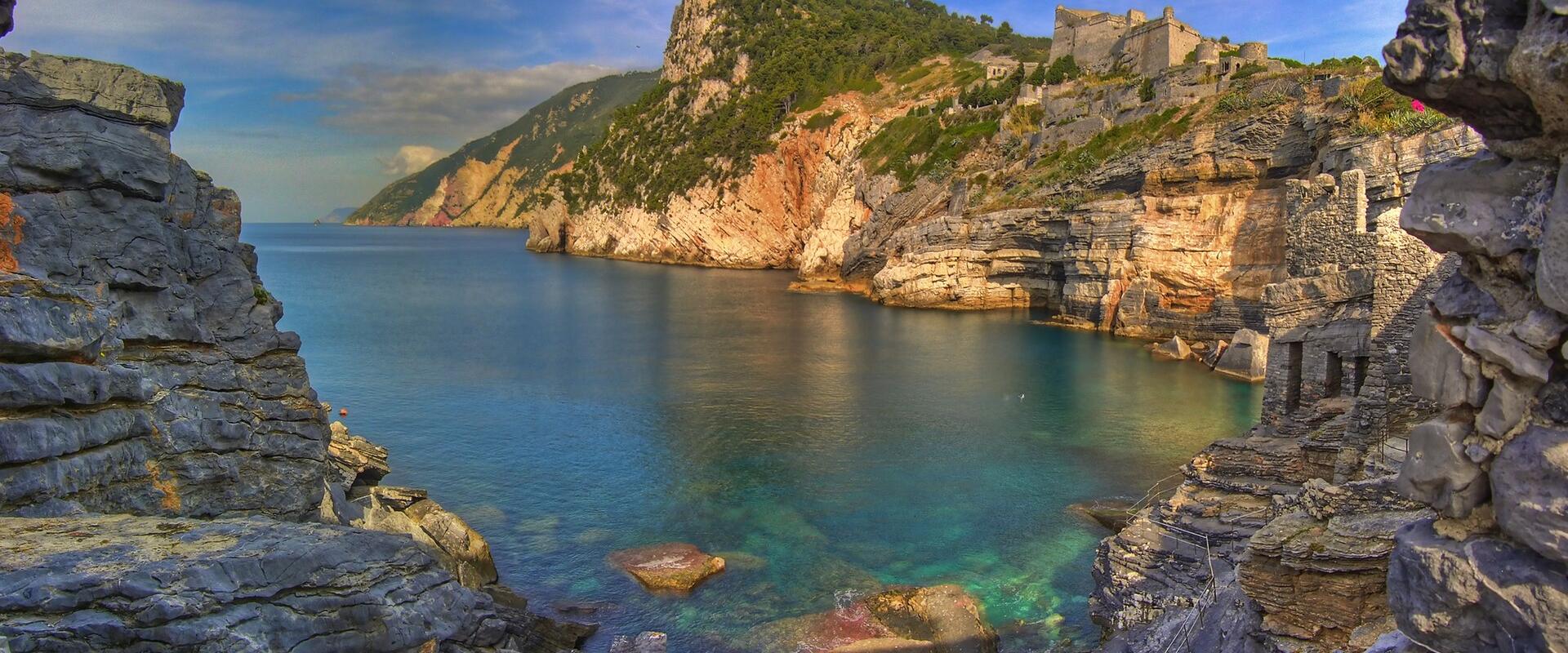
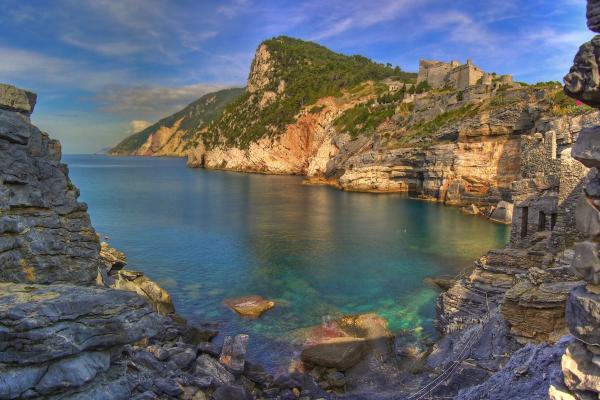
The Grotta di Byron, Byron’s Grotto, is a natural sea cave at Portovenere, Italy, the picturesque village at the tip of the peninsula that closes the western side of the Gulf of La Spezia, in Liguria, and it lies directly below the town’s most famous landmarks, wedged between the walls of the Doria Castle and the Church of San Pietro, the Church of St. Peter. The church, a small Gothic building of black and white stone from the 13th century, stands on a rocky spur that falls sheer into the sea, and the cave opens at the foot of the cliff, in a narrow inlet where the waves surge in and out. The cave was formerly known as the Harpy Cave, the Grotta Arpaia, and in the 19th century, it took its present name from the English poet Lord Byron, who visited the area in the early 1820s. The place has a wild and romantic character, and it gives an instant sense of the Ligurian coast, with its cliffs, spray and the sound of the sea.
The most famous tale associated with the cave is that Byron swam from Portovenere across the gulf to Lerici, a distance of around eight kilometres, to visit his friend, the poet Percy Bysshe Shelley, who was living near Lerici at the time, in a house on the bay of San Terenzo. According to the story, Byron entered the water at the grotto, where he is said to have gone to meditate and to write, and swam through the waves to the other side. Byron was an excellent swimmer, famous for having swum the Hellespont, and the feat is plausible, though the details are part of the legend. The gulf, which is often called the Gulf of Poets, the Golfo dei Poeti, because of the writers who lived and worked there, among them Shelley and Byron, D. H. Lawrence and others, took its popular name from this literary connection.
Visiting the cave is an experience that combines scenery, history and legend. Visitors can look down at the grotto from the terrace beside the church, from where the sea can be seen churning among the rocks, or go down by a path to the water’s edge, where they can feel the salt spray, depending on the sea conditions, which can make access impossible in rough weather. The cave is a good place to listen to the sea, to look at the colours of the rock and to imagine the poet in this setting. In fine weather, boat trips and swimming from the rocks are possible, and the nearby sea is very clear. There is a monument to Byron near the cave, and a plaque recalls his visit.
Portovenere belongs, with the Cinque Terre and the islands of Palmaria, Tino and Tinetto, to the UNESCO World Heritage site that protects the coast of eastern Liguria. The village is a delight, with its tall, narrow houses in pastel colours that line the harbour like a wall, and the harbour, the Portovenere Harbor, is full of boats and cafes. Besides the Church of San Pietro and the Doria Castle, the Castello Doria, and the Five Islands, the Church of San Lorenzo, the cathedral of the village, is an important monument. The cave and these sites are free to see, and the area is a short walk from the harbour. The grotto suits those who love literature, scenery and the sea, and it is lovely at sunset.
Categories
More photos coming soon
Nearby Attractions
Other places to visit in Portovenere
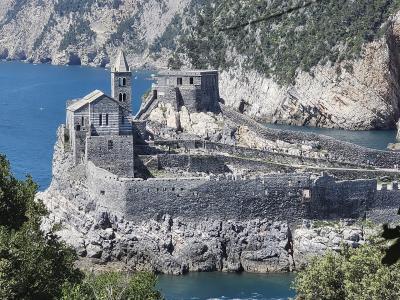
Church of San Pietro
Romanesque church on a rocky cliff above the sea
Coastal Walks · Historic Churches
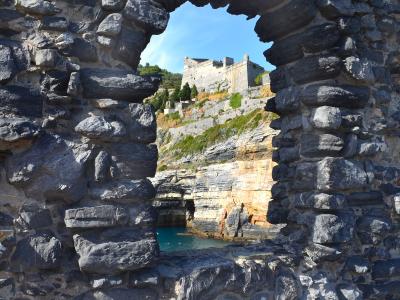
Doria Castle (Castello Doria)
12th-century Genoese pentagonal fortress
From €2.20 Castles & Fortresses · Coastal Walks
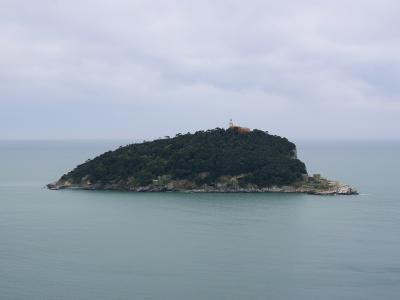
Isola del Tino
Military island with San Venerio's abbey ruins, open each September
Boat Tours · Historic Churches
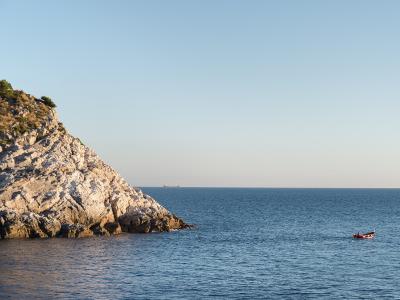
Isola Palmaria
Largest island in the Gulf of La Spezia
Coastal Walks · Islands
Questions people ask
Quick Facts
Best Time to Visit
Visit between April and June or September and October for mild temperatures and fewer crowds.