







Villa Romana del Varignano
1st-century BC villa with Liguria's oldest Roman olive press
- Admission
- Full €5
- Reduced €2 (ages 18-25); under 18 free
- Hours
- Tue-Sat 8:30-18:30 (last entry 17:45); Sun 8:30-13:30 (last entry 12:45); closed Mon
- Where
- Portovenere, Liguria
- Directions
- Directions
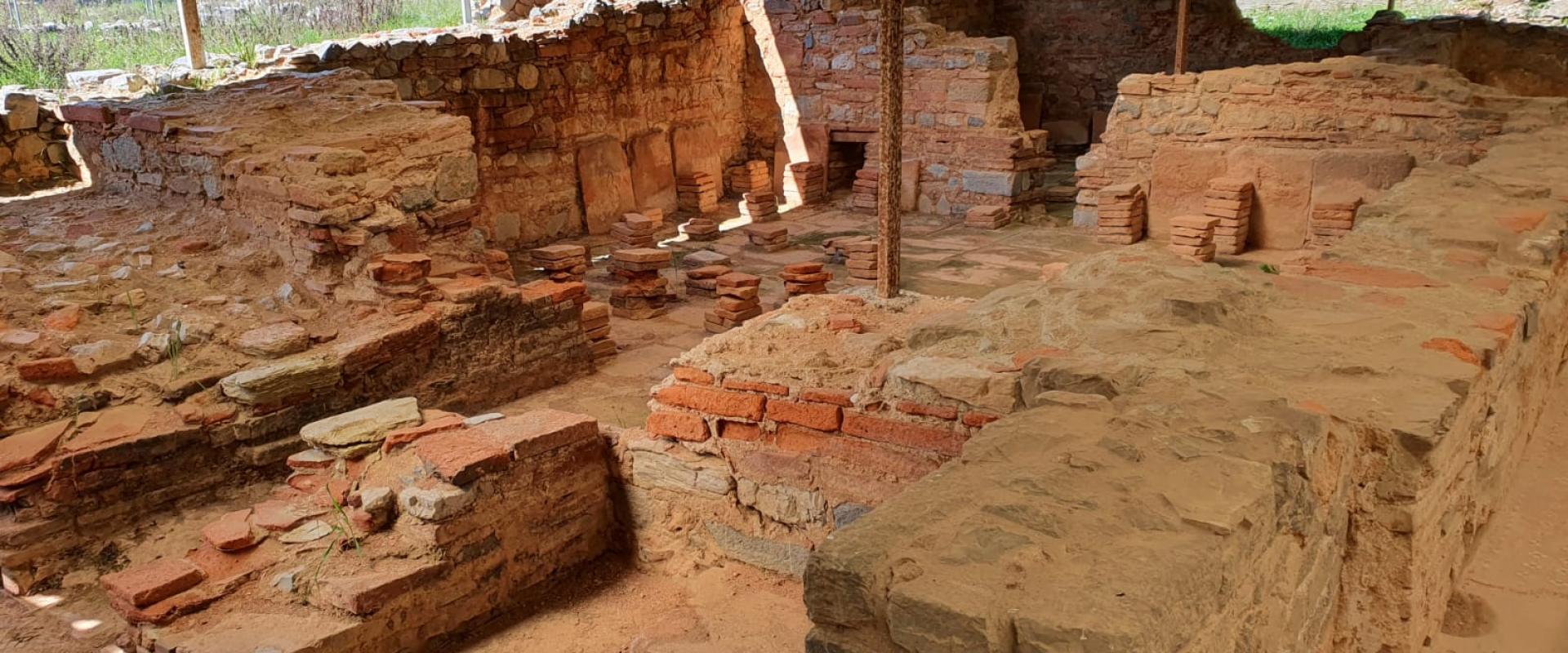
The Villa Romana del Varignano is the excavated site of a Roman country villa at Varignano Vecchio, in Le Grazie, a village of the municipality of Portovenere on a sheltered inlet of the Gulf of La Spezia. It holds the remains of the oldest Roman olive oil press found in Liguria, and since March 2025 it has had its own museum.
The villa was one of a network of Roman landing places and farming estates around the gulf, linked to the port of the colony of Luna. The visible complex dates from about 90 to 80 BC, though an earlier building from the late 2nd century BC, with decorated walls and fine floors, has also been identified. Some scholars have suggested it is the villa the Roman writer Varro described as a perfect villa rising on a well-sheltered bay. The estate covered around 30,000 square metres of olive groves, and the villa had its own small dock for boats to Luna and the rest of the gulf.
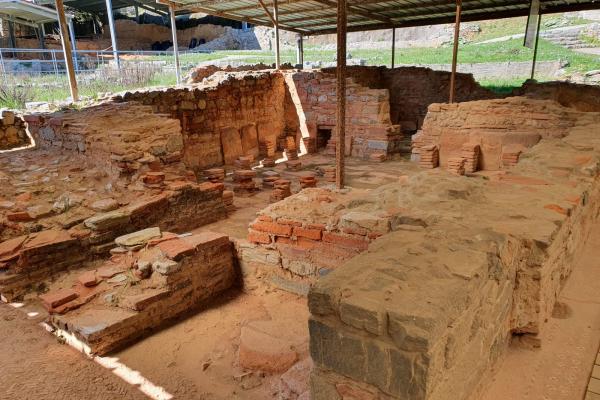
Like most Roman villas, it was divided into the owner's residence and a working farm. Here the two were separated by a large courtyard where the oil was processed. The press had two presses for crushing the olives, settling tanks and an open-air oil store that held at least fifty large jars. Production ran until the 1st century AD, when the farm manager's quarters were converted into a private bath house with heated rooms and hot and cold pools, supplied by a vaulted cistern with two aisles, a structure almost unique among Roman buildings of northern Italy. The site was lived in until the early 6th century, and in the Middle Ages it belonged to the Benedictine monastery on the nearby island of Tino. Excavations ran from 1967 to 1986.
The museum, opened on 15 March 2025, is housed in the Casale Liverani, an 18th-century farmhouse built on Roman walls within the site. The ground floor covers oil production, with millstones, weights, jars and amphorae, and the upper floor the residence, with mosaic floors, column bases, a statue in Luna marble and a fountain mask in grey bardiglio marble. Audioguides in Italian and English and 3D reconstructions help bring the ruins to life.
The site suits visitors interested in archaeology and in the everyday economy of Roman Italy, and it is a quiet counterpoint to the crowds of Portovenere a few kilometres away.
More photos coming soon
Hours & Fees
- Open
- Tue-Sat 8:30-18:30 (last entry 17:45); Sun 8:30-13:30 (last entry 12:45); closed Mon
- Admission
- Full €5; reduced €2 (ages 18-25); under 18 free
Hours and prices change, especially out of season. Check with the venue before you go.
Nearby Attractions
Other places to visit in Portovenere
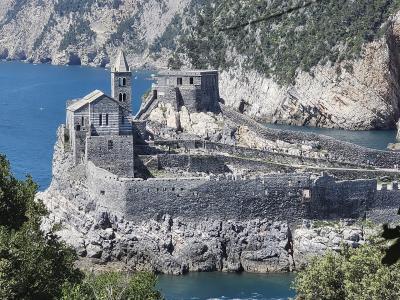
Church of San Pietro
Romanesque church on a rocky cliff above the sea
Coastal Walks · Historic Churches
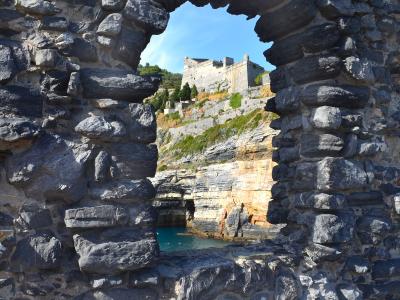
Doria Castle (Castello Doria)
12th-century Genoese pentagonal fortress
From €2.20 Castles & Fortresses · Coastal Walks
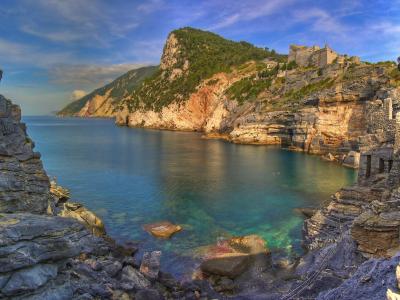
Grotta di Byron
Sea cave named for Lord Byron's legendary swim
Coastal & Maritime · History & Heritage
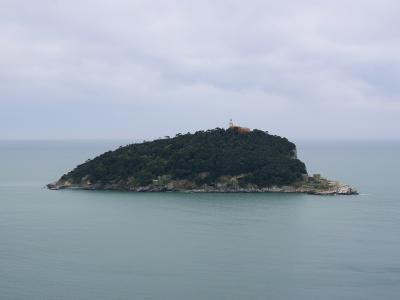
Isola del Tino
Military island with San Venerio's abbey ruins, open each September
Boat Tours · Historic Churches
Questions people ask
Quick Facts
Best Time to Visit
Visit between April and June or September and October for mild temperatures and fewer crowds.