







Abbazia di San Fruttuoso
Medieval abbey in a cove reachable only on foot or by sea
- Where
- Portofino, Liguria
- Directions
- Directions
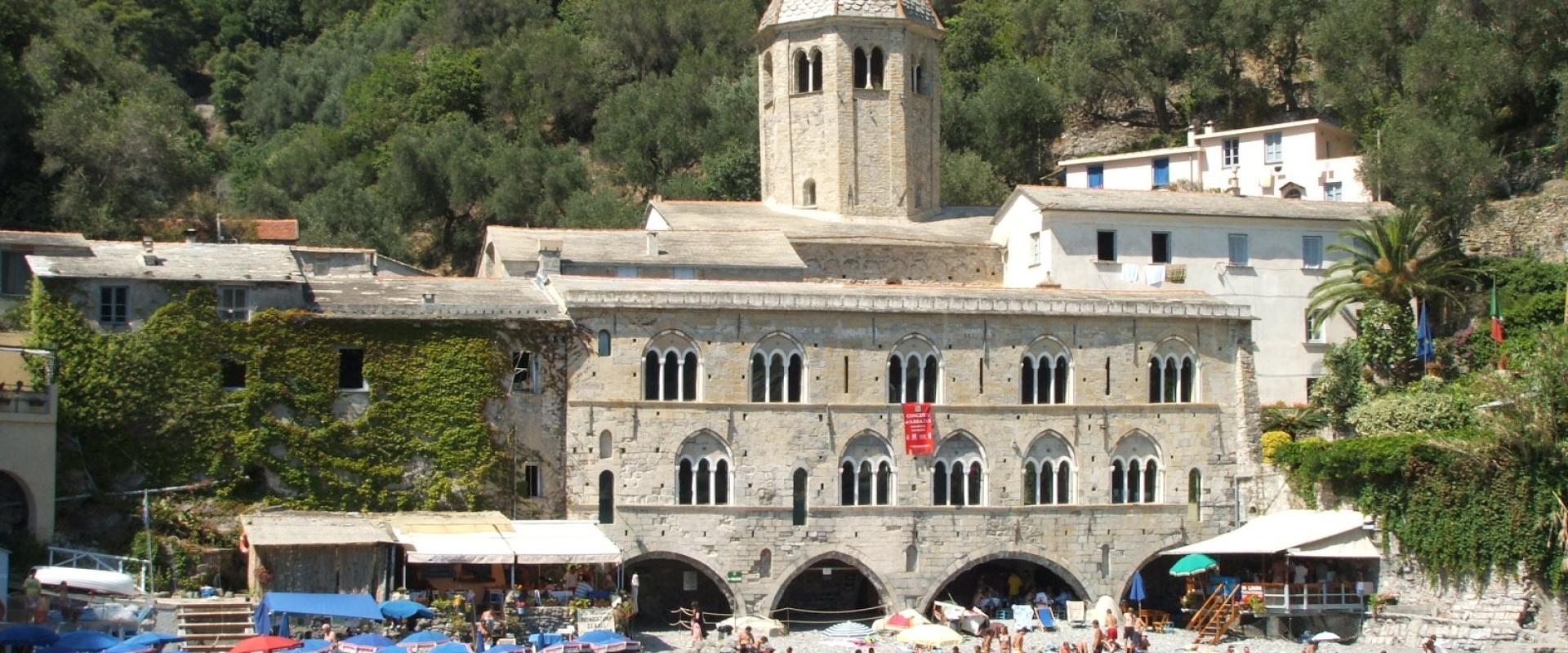
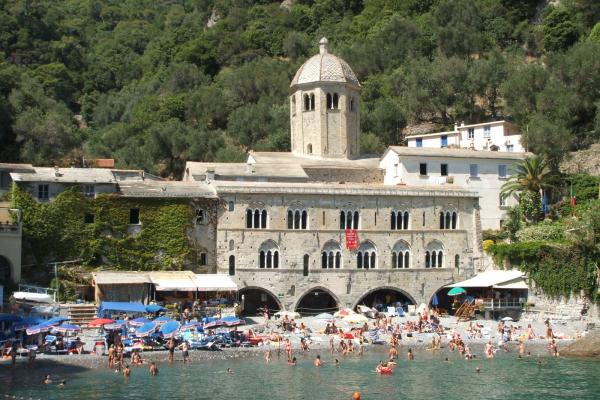
The Abbey of San Fruttuoso sits at the back of a tiny cove on the southern side of the Portofino promontory, within the municipality of Camogli and inside the Portofino regional park. No road reaches it. Visitors arrive by boat from Portofino, Camogli and other Riviera harbours, or on foot along the park's trails, and the first sight of the grey stone buildings rising straight from a pebble beach is one of the best-known images of the Ligurian coast.
The abbey is dedicated to Saint Fructuosus, a 3rd-century bishop of Tarragona martyred in Spain. Tradition says that in the 8th century a bishop named Prospero, fleeing the Arab conquest of Spain, brought the saint's relics to this bay and built a small church for them. The present abbey was founded around the middle of the 9th century and rebuilt at the turn of the 11th, reportedly at the wish of Adelaide of Burgundy, widow of the emperor Otto I. Benedictine monks ran it for centuries. In the 13th century the Genoese Doria family added the wing with the loggia facing the sea and turned part of the abbey into their family burial place. Admiral Andrea Doria had the upper cloister rebuilt in the 16th century, and his heirs built the square watchtower that still dominates the bay in 1562.
The tour takes in the cloister, the early church and the later parish church, and the Doria tombs, where seven members of the family who died between 1275 and 1305 lie in arched tombs banded in white marble and grey stone, the classic Ligurian two-colour style. An octagonal tower with a Byzantine-style dome crowns the church, and a small museum displays medieval tableware found in a monastery deposit and used by the monks in the 13th and 14th centuries.
After the monks left, the buildings were used as homes and fell into decline. The Italian state restored them in 1933, and in 1983 Frank and Orietta Pogson Doria Pamphilj donated the abbey to FAI, the Italian National Trust, which manages it today and finished decades of restoration by bringing back the spring in 2017. The beach in front is used for swimming in summer, and the bronze Christ of the Abyss stands on the seabed of the bay.
San Fruttuoso suits walkers, history lovers and anyone happy to combine culture with a swim, and it makes a full day out from Portofino.
Categories
More photos coming soon
Nearby Attractions
Other places to visit in Portofino
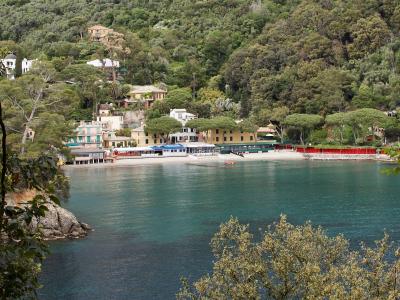
Baia di Paraggi
Sheltered bay and former millers' hamlet on the Portofino road
Beaches · Castles & Fortresses
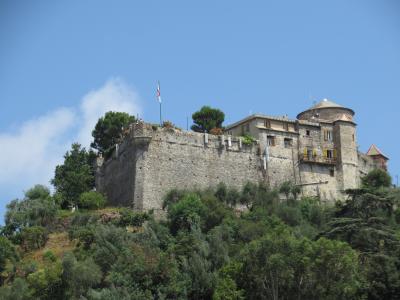
Castello Brown
Medieval Genoese fortress with panoramic bay views
Castles & Fortresses · Coastal Walks
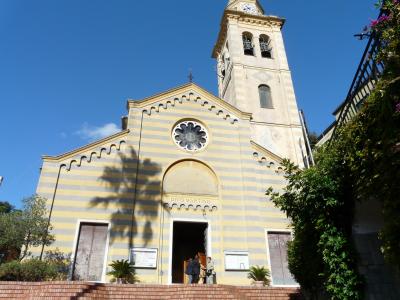
Chiesa del Divo Martino
Portofino's parish church, rooted in the 12th century
Historic Churches · Historic Towns
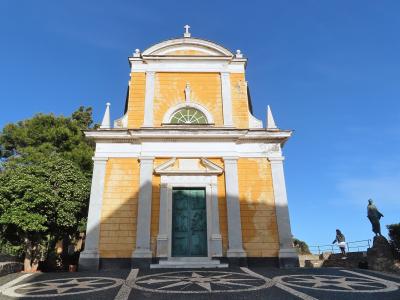
Chiesa di San Giorgio
12th-century Romanesque church rebuilt after WWII
Harbor Views · Historic Churches
Questions people ask
Quick Facts
Best Time to Visit
Visit between May and June or September and October for mild temperatures and fewer crowds.