Pordenone
Venetian-influenced city in Friuli with Renaissance art and arcades
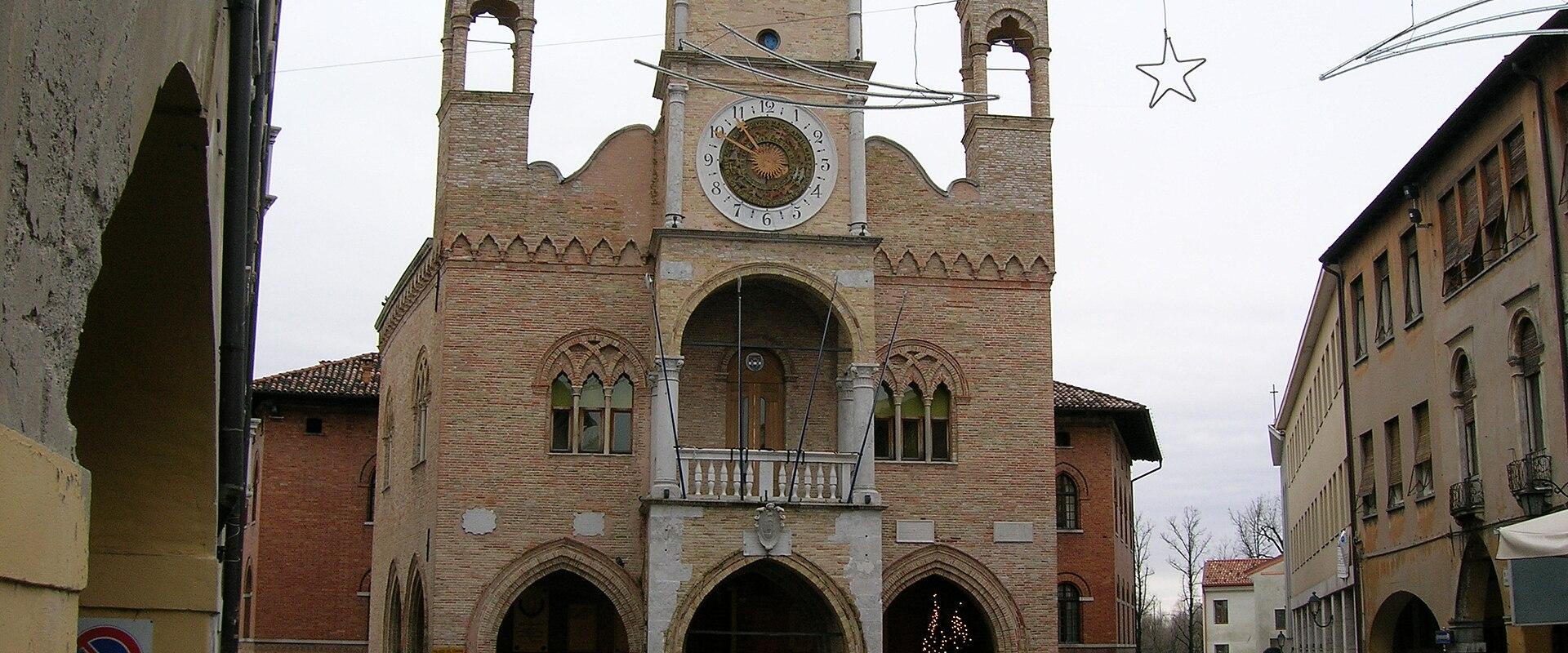
Pordenone’s history dates back to Roman times, but it flourished significantly under the rule of the Republic of Venice from 1420 to 1797. During this Venetian period, the city underwent substantial urban development, including the construction of the iconic porticoes that line its main streets. The influence of Venice is evident in the architectural style of many buildings, which feature Venetian Gothic and Renaissance elements. Before Venetian rule, Pordenone was a contested territory between the Patriarchate of Aquileia and the Habsburgs. The city also played a role in the Italian unification movement. In the 16th century, Pordenone became a center for the arts, thanks to the presence of the painter Giovanni Antonio da Pordenone, whose frescoes and paintings adorn many of the city’s churches and palaces. The city has preserved its historic core, offering visitors a glimpse into its rich past and artistic heritage.
The main attractions in Pordenone are centered around its historic center and artistic landmarks. The Palazzo dei Diamanti, a Renaissance palace with a distinctive diamond-patterned facade, is one of the most recognizable buildings in the city. The Church of Santa Maria delle Grazie houses some of the finest frescoes by Giovanni Antonio da Pordenone, including the famous 'Last Judgment.' The Civic Museum, located in the Palazzo del Podestà, features a collection of art and artifacts from the region’s history. The Piazza del Duomo is the heart of the city, surrounded by the Cathedral of San Marco and other historic buildings. The arcades of Corso Vittorio Emanuele provide a sheltered walkway lined with shops and cafes, offering a pleasant environment for strolling. The city also boasts several parks and green spaces, such as the Parco Urbano, which provide relaxation areas for residents and visitors.
Activities in Pordenone include exploring the historic sites, visiting museums, and enjoying the local cuisine. The city is known for its traditional Friulian dishes, such as polenta, risotto, and local wines like Refosco and Picolit. Visitors can take guided tours to learn about the city’s Venetian heritage and the works of Giovanni Antonio da Pordenone. The surrounding Friulian countryside offers opportunities for cycling, hiking, and wine tasting. Pordenone also hosts various festivals and events throughout the year, including the Pordenonelegge, a major literary festival. Shopping includes local ceramics, textiles, and food products. For those interested in history, guided tours are available to explore the city’s medieval and Renaissance architecture.
Getting to Pordenone is convenient via rail and road. The city is well-connected by the Venice-Tyrol railway line, with frequent trains from Venice, Udine, and Milan. Pordenone has a railway station in the city center. For those traveling by car, the A28 motorway provides easy access from Venice and the Austrian border. The nearest airport is Venice Marco Polo Airport, located about 80 kilometers away. The best time to visit Pordenone is from April to June or September to October, when the weather is mild and pleasant, ideal for exploring the outdoor attractions and historic sites. July and August are peak tourist months, with higher temperatures and larger crowds. Winter is cold but offers opportunities for skiing in the nearby Dolomites. Despite the seasonal variations, Pordenone’s rich history and cultural offerings make it a rewarding destination year-round.
Best Time to Visit
Visit between April and June or September and October for mild temperatures and fewer crowds.
Did you know?
Interesting, verified facts about Pordenone
Pordenone Is Shaped by a River
HistoryPordenone is a historic city in the Friuli-Venezia Giulia region of northeastern Italy, situated in the fertile plains near the Noncello River.
Source: Pordenone - WikipediaPordenone Has a Second Local Claim
HistoryIt serves as the capital of the province of Pordenone and is renowned for its well-preserved historic center, characterized by elegant arcades, frescoed facades, and Renaissance architecture.
Source: Pordenone - WikipediaPlan Your Visit to Pordenone
Essential travel tips and information for your trip to Pordenone.
Suggested Itineraries
Travel Tips
Currency
EUR • Cards widely accepted
Language
Italian • English in tourist areas
WiFi
Free WiFi in cafes and hotels
Explore Pordenone by Interest
Discover attractions and experiences in Pordenone organized by your interests and travel preferences.
All attractions in Pordenone
Sorted by our recommendation score
Quick Facts
Book your stay
Frequently Asked Questions
More destinations in Friuli Venezia Giulia
Explore other amazing places in the Friuli Venezia Giulia region