







- Where
- Pordenone, Friuli Venezia Giulia
- Directions
- Directions
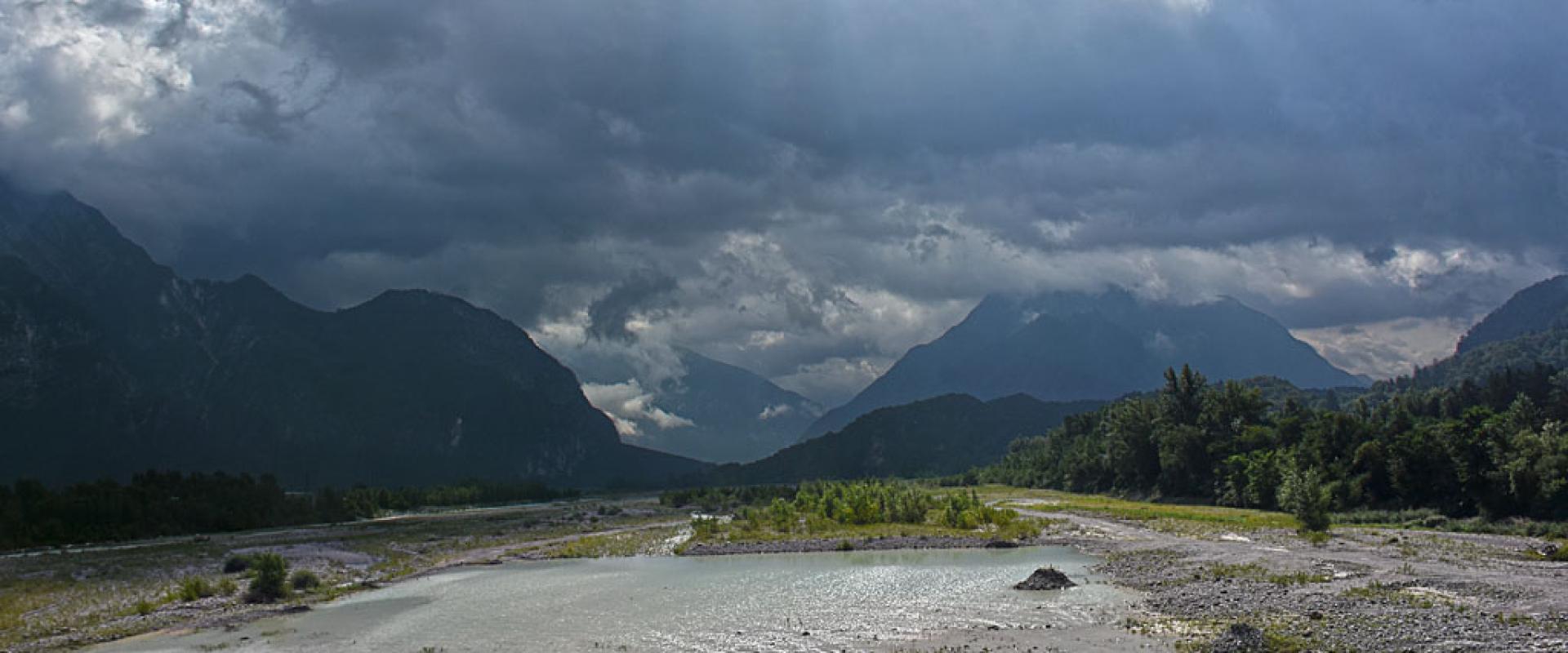
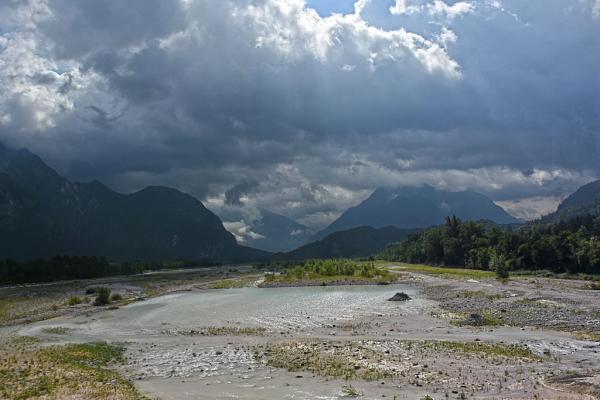
The Tagliamento is one of the most remarkable rivers of Europe, and the Parco Fluviale del Tagliamento is a protected natural area centred on the stretch of the river in the province of Pordenone, in Friuli-Venezia Giulia, in north-eastern Italy. The Tagliamento rises in the Carnic Alps, close to the Passo della Mauria, and flows for around 178 kilometres across the plain of Friuli to the Adriatic Sea, near Lignano. What makes it exceptional is that it has remained largely natural. Unlike most Alpine rivers, which have been straightened, dammed and confined between embankments, the Tagliamento keeps its wild, braided character, with a riverbed that is up to a kilometre wide in places and divides into many shifting channels, between gravel bars and wooded islands, which change shape with every flood. For this reason, it is often described as the last wild river of the Alps, and as a model for river ecology studied by scientists across Europe.
The park focuses on the ecological, geological and cultural aspects of the river. The gravel banks and islands are home to specialised plants and animals, among them pioneer plants that colonise the gravel, riverside woods of willow and poplar, and a rich birdlife that includes herons, little ringed plovers, kingfishers and, in migration, many waders and ducks. The geology of the river, formed by sediments carried down from the Alps, can be explored at sites known as geosites, which show the structure of the terraces and the history of the valley. The agricultural land along the banks produces wine, and visitors can learn about local vineyards and about the stories of the communities that have lived by the river for generations, with their traditions of fishing, ferrying and farming.
One of the key features of the park is the Percorso privilegiato a terra, the privileged path on land, a route developed along the river to enhance its environmental and landscape resources. The path was given priority in the municipal plan of 1998 for the river zone, which was intended to promote sustainable tourism and the appreciation of the river, and it allows walkers and cyclists to follow the banks and to find places for birdwatching and viewing. Because the river changes constantly, the path and the access points may vary, and it is best to check with the local authorities and the visitor offices on current conditions, especially after floods. In summer, the riverbed is mostly dry gravel, which can be hot and exposed, and in spring, it may be flooded.
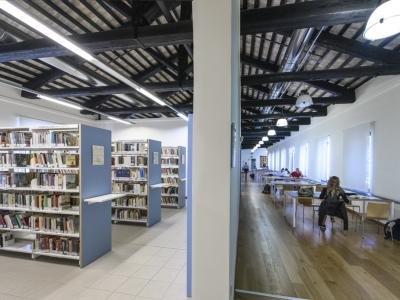
The river lies close to some cultural attractions. Villa Manin, the grand 17th-century villa of the last doge of Venice at Passariano, is not far, and the Biblioteca Civica A. J. Parenti in Pordenone is part of the local cultural scene. The medieval castle town of Valvasone and Spilimbergo, known for its school of mosaic, are by the river, and the Friulian wines are a pleasant reward. For information, check the WWF Tagliamento website and the River authorities. The park suits nature lovers, walkers, cyclists and birdwatchers who appreciate wild landscapes. Bring water, sun protection and sturdy shoes, and avoid the riverbed in times of high water.
Categories
More photos coming soon
Nearby Attractions
Other places to visit in Pordenone
Questions people ask
Quick Facts
Best Time to Visit
Visit between April and June or September and October for mild temperatures and fewer crowds.