







Pesaro
Rossini's Adriatic birthplace, a beach resort with a Sforza fortress
Pesaro lies on the northern edge of the Marche, about 40 kilometres south-east of Rimini and some 75 kilometres up the coast from Ancona. The town grew from the Roman colony of Pisaurum, founded in 184 BC. After the fall of the empire the town changed hands between Byzantines, the Church and local lords until the Malatesta, then the Sforza of Milan, and from 1512 the Della Rovere family took over. Under the Della Rovere, Pesaro was the ducal seat for a time, and the Villa Imperiale on the slopes of Monte San Bartolo, a Renaissance country house, belongs to that period. In 1860 the town joined the Kingdom of Italy.
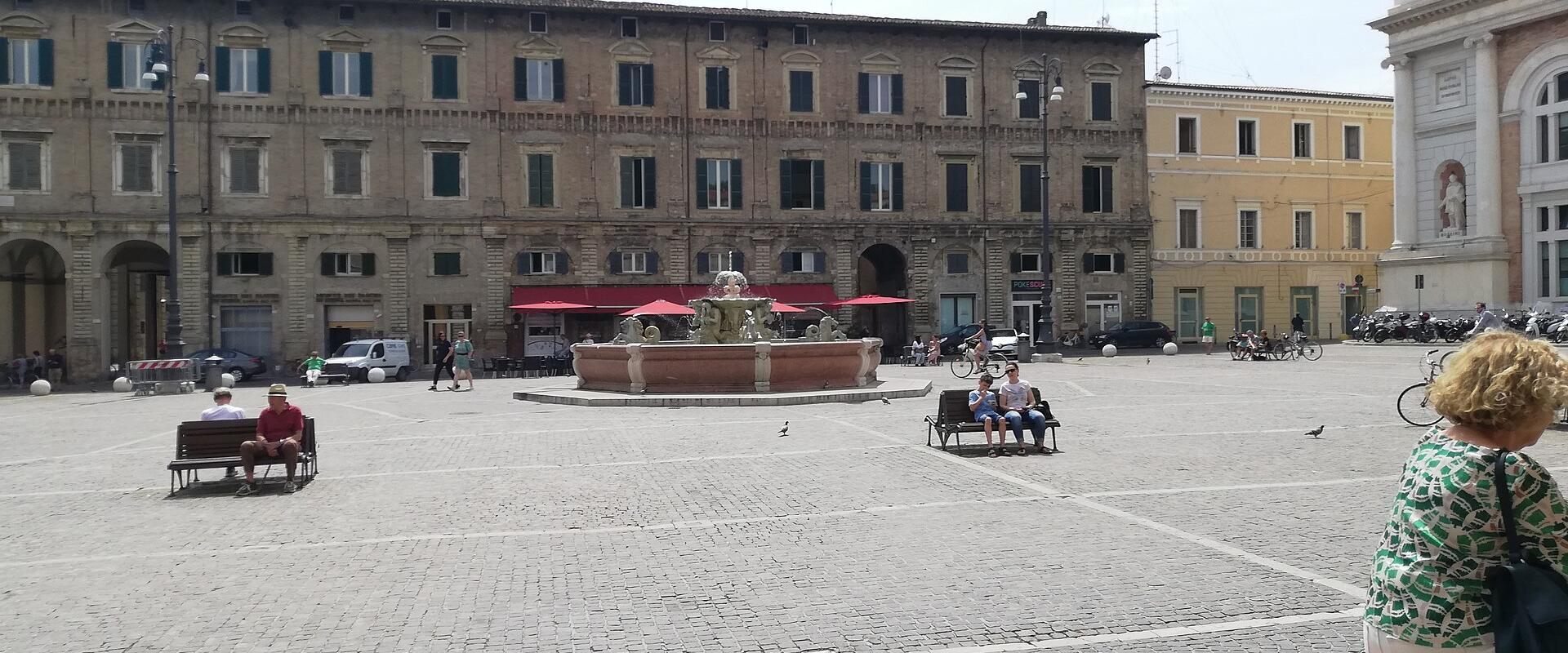
The historic centre is built around Piazza del Popolo. The Palazzo Ducale, begun in the fifteenth century and reworked afterwards, fronts the square, and its plain, elegant facade makes a good starting point. Close by is the cathedral, which keeps early Christian and medieval floor mosaics under its present church, and the Musei Civici, which hold Giovanni Bellini's Coronation of the Virgin, usually called the Pesaro Altarpiece, along with a famous collection of maiolica. Rossini was born here in 1792, and his birthplace on Via Rossini is a small museum, while the Teatro Rossini hosts the Rossini Opera Festival each August.
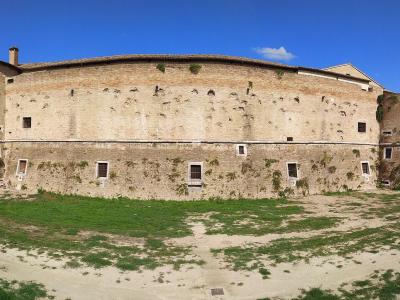
The Rocca Costanza is the military landmark of the town. It was built between 1474 and 1483 for Costanzo Sforza on a square plan with round corner towers and a moat, designed for the age of early artillery. Cesare Borgia took Pesaro in 1500, and later the fortress passed to the Della Rovere and then the Papal States. It was used as a prison in the modern period and has been closed for restoration works at times, so it is wise to check the town's official website before planning a visit; the walls and towers can be seen from outside in any case.
The sea is the other reason people come. The beach is long and sandy, lined with beach clubs, with a shallow, gently shelving shore that suits families. A promenade runs along the front, and Pesaro has made a name for itself as a cycling city, with bike lanes along the coast and through town. For a different view, the Monte San Bartolo nature park rises behind the coast, with trails along cliffs above the sea; its paths pass fishing villages such as Fiorenzuola di Focara and the coastal stretch toward Gabicce Mare.
Food in Pesaro follows the Adriatic. The classic dish is brodetto, the fish soup of the Marche coast, and grilled fish and fried seafood are on every menu near the harbour. Inland, the hills produce good white wines such as Bianchello del Metauro, which suits a seafood meal.
Pesaro works well as a base. Urbino, the Renaissance court of the Montefeltro dukes and a World Heritage site, lies about 35 kilometres inland, and the walled village of Gradara with its castle is a short drive north. The coastal railway line between Bologna and Ancona stops in the city, so Rimini, Ancona and Bologna are all reachable without a car.
Summer from June to September is the beach season and the busiest time, with hotels full in August. May, June and the early autumn are pleasant for walking in the old town and the nature park, and the winter months are quiet, with many beach facilities closed.
Best time to visit
June to September for the beaches and the sea, with the Rossini Opera Festival filling the evenings in August; May and early October are quieter and still mild.
What to see in Pesaro
Our picks first.
Pesaro by interest
The same sights, grouped by what you came for.
Planning a visit to Pesaro
Good to know
- Currency
- EUR
- Language
- Italian
Quick Facts
Book your stay
Questions people ask
More places in Umbria and Marche
Umbria and Marche
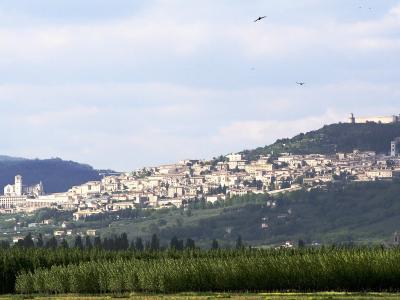
Assisi
UNESCO hilltop town in Umbria, birthplace of St. Francis
Umbria and Marche
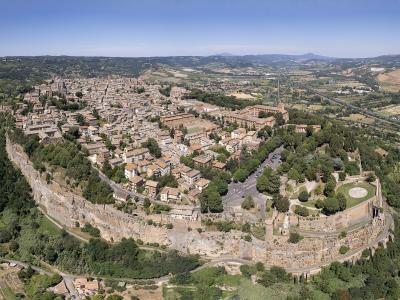
Orvieto
Volcanic tuff hill town in Umbria with Gothic cathedral and Etruscan wells
Umbria and Marche
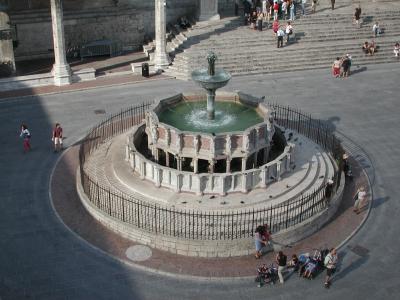
Perugia
Umbrian hill city with Etruscan walls, chocolate heritage, and jazz festival
Umbria and Marche
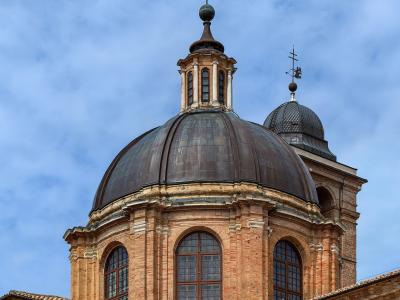
Urbino
UNESCO-listed Renaissance gem in Marche with Ducal Palace