







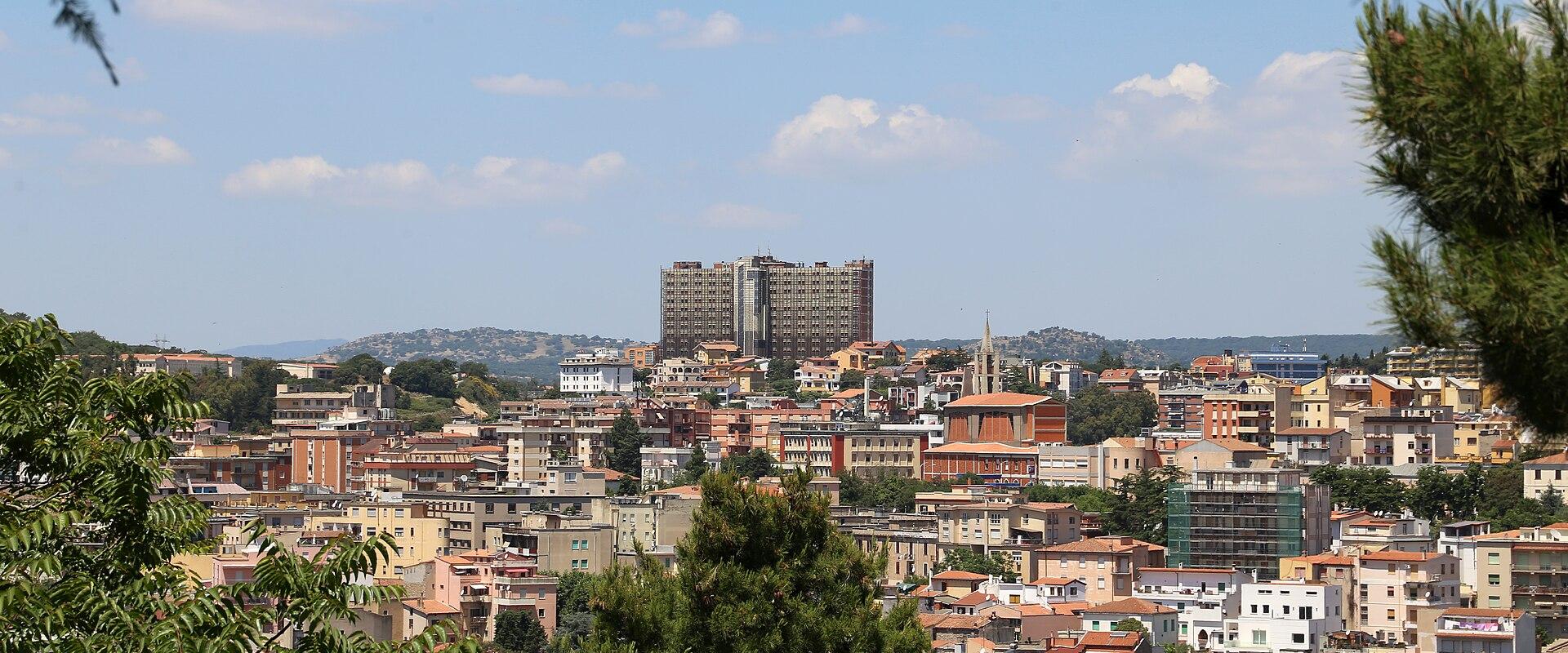
Nuoro’s history is deeply rooted in the ancient traditions of the Barbagia region, known for its resilience and the preservation of Sardinian culture. The town developed around a medieval castle, though much of the original structure was lost to earthquakes and time. In the 19th and 20th centuries Nuoro emerged as a centre of Sardinian intellectual life, attracting writers, poets, and artists who sought to preserve and promote the local language and customs. The town has preserved its historic centre, with narrow streets and traditional architecture, reflecting its role as a guardian of Sardinian heritage. Nuoro is also known for its resistance to outside domination, and for a strong sense of local identity and autonomy. Today the town balances its historical significance with modern cultural initiatives, serving as a hub for art, literature, and traditional crafts.
The main attractions are centred on the town’s museums and cultural institutions. The Museum of Sardinian Folk Art, the Museo Etnoantropologico, houses a significant collection of traditional Sardinian costumes, jewellery, and religious items. The Museo d’Arte della Provincia di Nuoro, known as the Museum of Contemporary Art (Museo d’Arte Contemporanea), shows works by Sardinian and international artists, reflecting the modern cultural scene. The Casa Natale di Grazia Deledda, the house where the writer was born, is now a museum with rooms preserved to show how a family lived in the 19th century. The Palazzo di Città, the town hall, is a notable architectural landmark. The historic centre has narrow streets lined with traditional shops selling local crafts such as woollen textiles and ceramics.
East of the town rises the Parco di Monte Ortobene, a wooded mountain with granite outcrops and wide views, reached by a short road. A bronze statue of Christ the Redeemer stands on the summit, and each August the town celebrates the Feast of the Redeemer with a procession in traditional costume. The surrounding Barbagia offers scenic views and hiking trails, with access to the Gennargentu National Park. The town also hosts festivals and events throughout the year, celebrating Sardinian music, literature, and traditions.
Activities in Nuoro include exploring the museums, visiting local markets, and enjoying the natural surroundings. The town is known for traditional Sardinian cooking, including lamb, pecorino cheese, and local wines such as Cannonau. Visitors can take guided tours to learn about the town’s history and cultural significance. The surrounding mountains offer hiking, cycling, and nature walks. Nuoro also hosts cultural events, including the Nuoro Jazz Festival and the Sardinian Literature Festival. Shopping includes local ceramics, textiles, and food products. For those interested in history, guided tours explore the town’s Barbagian heritage and its role in Sardinian cultural preservation.
Getting to Nuoro is easiest by road. The town is reached by car from Cagliari in about two and a half hours via the SS131 highway and its eastern branch. Nuoro is not on the main Sardinian railway line, and railway stations such as Macomer and Sanluri, on the main north-south line, have bus connections to Nuoro. For those flying, the nearest airports are in Cagliari and Olbia, and Olbia is the closer for the northeast of the island.
The best time to visit Nuoro is from April to June or September to October, when the weather is mild and pleasant, ideal for outdoor attractions and historic sites. July and August are peak tourist months, with higher temperatures and larger crowds. Winter is cold but offers a quieter experience, with the town’s museums and cultural centres providing indoor entertainment. Despite the seasonal variations, Nuoro’s rich cultural heritage and natural beauty make it a rewarding destination year-round.
Best time to visit
Visit between April and June or September and October for mild temperatures and fewer crowds.
What to see in Nuoro
Our picks first.
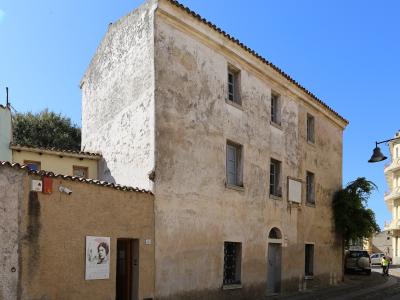
Casa Natale di Grazia Deledda
19th-century birthplace of 1926 Nobel laureate
History & Heritage · Museums & Culture
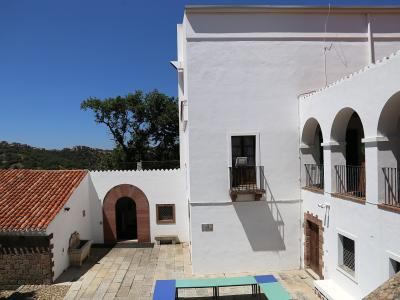
Museo Etnoantropologico
Museum of Sardinian folk traditions and 600 bread varieties
History & Heritage · Museums & Culture
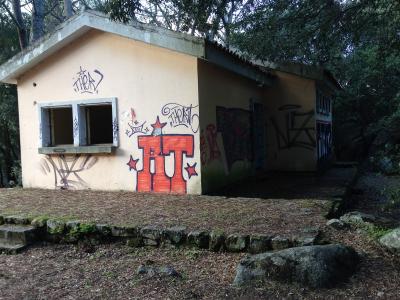
Parco di Monte Ortobene
Granite peak with 1901 Cristo Redentore statue
History & Heritage · Museums & Culture
Nuoro by interest
The same sights, grouped by what you came for.
Planning a visit to Nuoro
Good to know
- Currency
- EUR
- Language
- Italian
Quick Facts
Book your stay
Questions people ask
More places in Sardinia
Sardinia
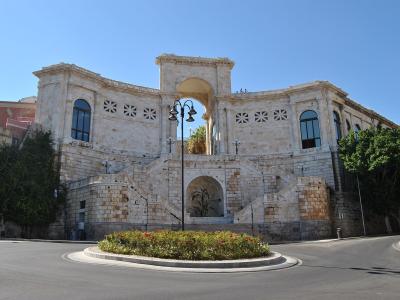
Cagliari
Sardinian capital with medieval Castello district and Poetto Beach
Sardinia
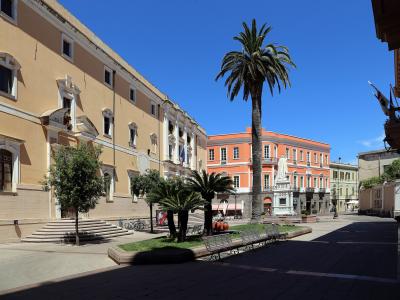
Oristano
Sardinian coastal city known for Sartiglia festival and medieval history
Sardinia
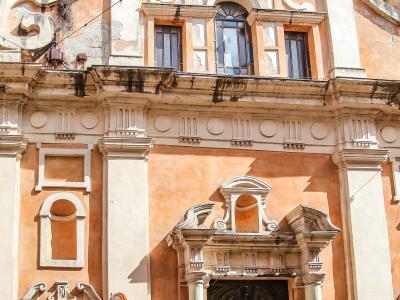
Sassari
Sardinia's second city with medieval history, academic life, and Baroque architecture
Sardinia
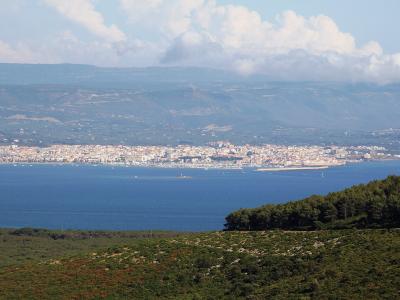
Alghero
Catalan-speaking coastal city in Sardinia with medieval walls and grottos