







Museo Etnoantropologico
Museum of Sardinian folk traditions and 600 bread varieties
- Hours
- Oct 1–Mar 15: 10:00–13:00, 15:00–19:00; Mar 16–Sep 30: 10:00–13:00, 15:00–20:00
- Where
- Nuoro, Sardinia
- Directions
- Directions
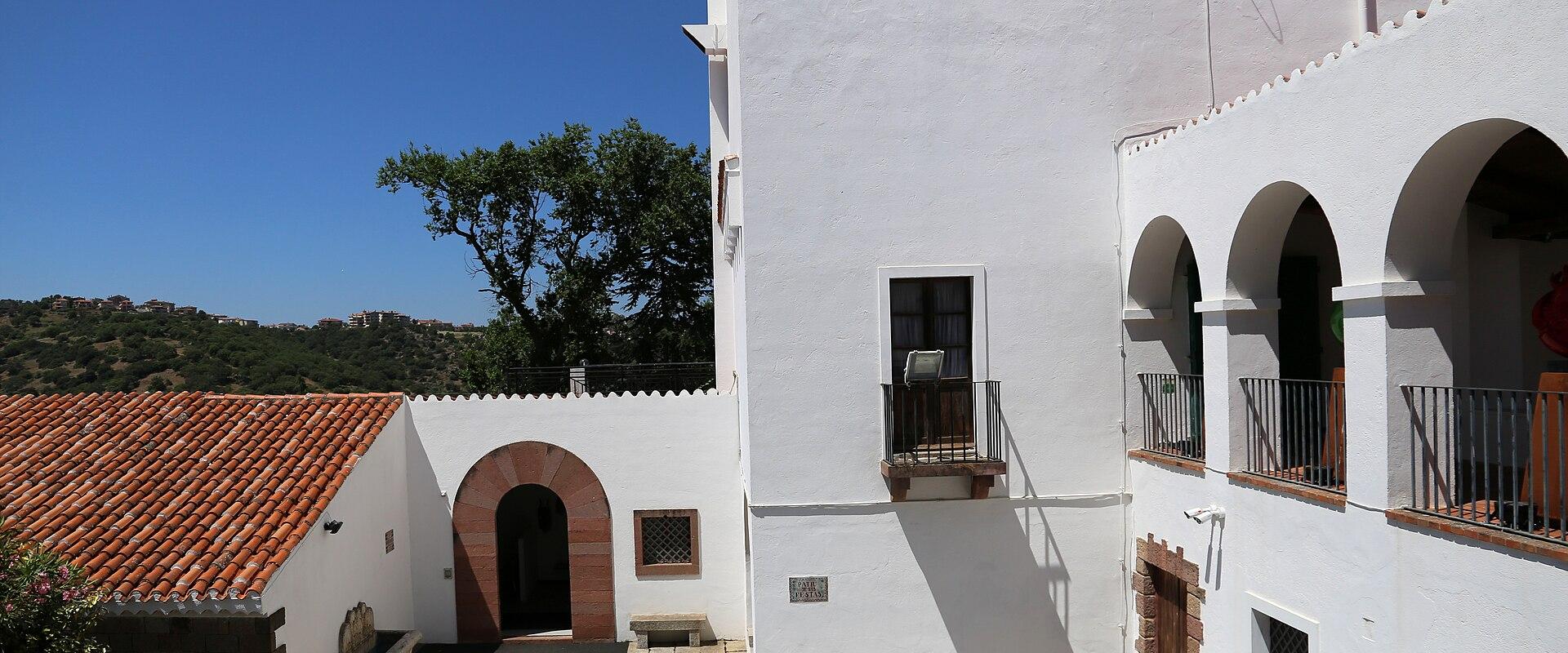
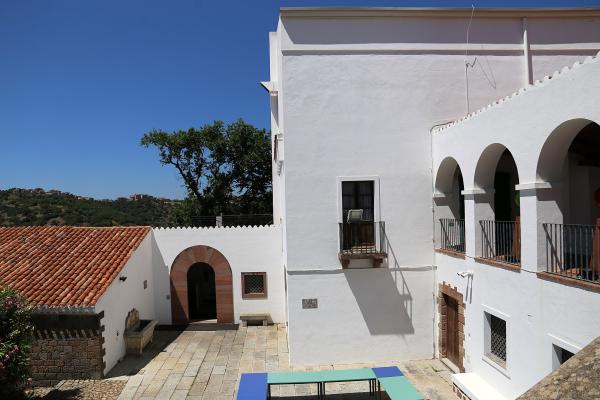
The Museo Etnoantropologico, also known as the Sardinian Ethnographic Museum or the Museum of Sardinian Life and Traditions, is a major cultural attraction in Nuoro, the main town of the Barbagia, the mountainous interior of Sardinia where traditional customs have survived longest. The museum is housed in a complex built between the 1950s and 1960s, which was designed to evoke a village, with whitewashed buildings and courtyards arranged around a hillside, and it features the island’s most complete exhibition of folk traditions, showcasing both tangible and intangible heritage. For anyone who wants to understand Sardinia beyond its beaches, it is one of the best places to start.
Visitors can explore a vast collection of artifacts, including textiles, jewelry, musical instruments and the famous wooden carnival masks that are central to Sardinian cultural identity. The costumes are the most spectacular part: hundreds of traditional dresses and men’s outfits from villages across the island are displayed on mannequins, with each village’s style marked by distinctive colors, embroidery, headscarves, velvet and lace. Gold filigree jewelry, amulets and buttons show the skill of Sardinian goldsmiths, and the collection of instruments includes the launeddas, the triple reed pipes played in the south, as well as small accordions and drums. The masks, carved of wood and blackened with soot or painted, are used in the carnival rituals of villages such as Mamoiada, where the Mamuthones, figures covered in sheepskins and heavy bells, move in a slow, solemn procession.
A unique and fascinating section is dedicated to over 600 varieties of traditional Sardinian breads, highlighting the region’s deep agricultural roots. Breads here are works of art as much as food: thin carasau, called music paper, intricately shaped ceremonial loaves for weddings and religious festivals, and decorative breads with patterns cut and molded in the dough, made for particular occasions. They show how closely food, ritual and craft were tied together in daily life.
Located at Via Antonio Mereu 56, the museum offers a comprehensive look at the daily life, rituals and craftsmanship of Sardinia’s past. The exhibits are arranged to provide a clear narrative of the island’s social and cultural evolution, from shepherds’ tools and kitchen equipment to ceremonial objects. Opening hours differ between the winter period, from October to mid-March, and the warmer months, from mid-March to September, when the afternoon hours extend later into the evening, and the museum closes for a break in the middle of the day. It is best to check current times before visiting.
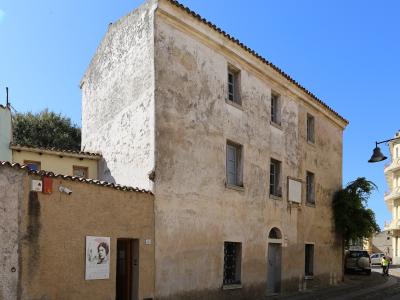
The experience of visiting the Museo Etnoantropologico provides insight into the resilience and richness of Sardinian culture. It is an essential destination for those interested in anthropology, history and traditional arts. The museum’s location in Nuoro, a hub for Sardinian culture and the birthplace of the Nobel Prize-winning writer Grazia Deledda, whose house can be visited, makes it a key stop for understanding the island’s unique heritage. The Parco di Monte Ortobene, the wooded mountain above the town with a view over the valley, is a short drive away.
Categories
More photos coming soon
Opening Hours
- Open
- Oct 1–Mar 15: 10:00–13:00, 15:00–19:00; Mar 16–Sep 30: 10:00–13:00, 15:00–20:00
Hours and prices change, especially out of season. Check with the venue before you go.
Questions people ask
Quick Facts
Best Time to Visit
Visit between April and June or September and October for mild temperatures and fewer crowds.