







Museo Archeologico Nazionale di Napoli (MANN)
World's largest Greek-Roman art collection
- Hours
- MANNight evening openings ran from September 3 to October 22 in 2026
- Where
- Naples, Campania and Amalfi Coast
- Directions
- Directions
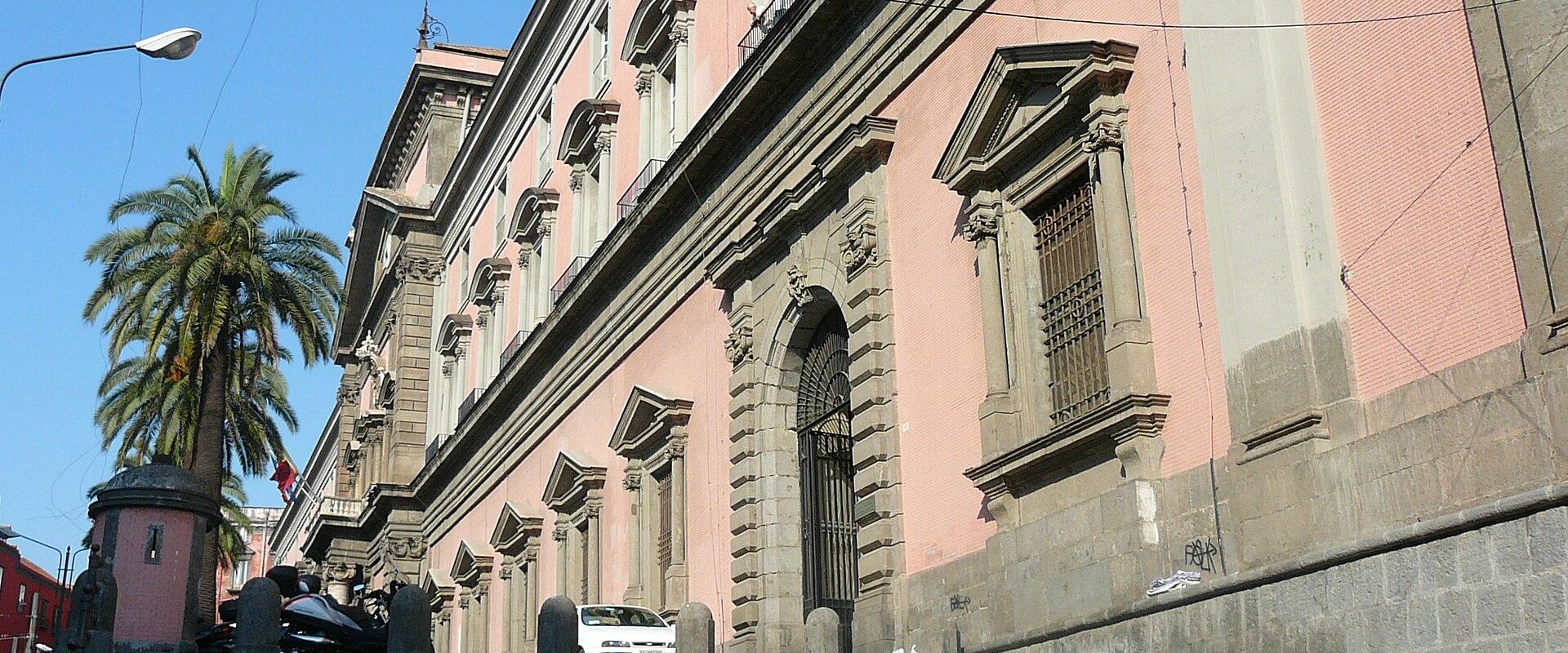
The Museo Archeologico Nazionale di Napoli, known as MANN, is one of the greatest archaeological museums in the world, and its Greek-Roman collection of art is among the largest and richest. It is housed in a large palace in the centre of Naples, the Palazzo degli Studi, which was built in the late 16th century as a cavalry barracks and later became the seat of the university. In the 1770s the Bourbon king Ferdinand IV of Naples decided to gather the great collections of the Farnese family, which had been inherited from Rome, and the treasures being unearthed at Pompeii and Herculaneum in one place, and the Real Museo Borbonico, as it was first called, opened in the early 19th century.
The Farnese collection is the core of the sculpture section. Its great marble statues, which came from the Baths of Caracalla in Rome, include the Farnese Hercules, a colossal figure of the resting hero, and the Farnese Bull, the largest sculptural group to survive from antiquity, carved from a single block. Other pieces show the Roman taste for copying Greek masterpieces, and several of the finest known copies of lost Greek bronzes are here, among them a famous Doryphoros, the spear-bearer of Polykleitos. Together, the works give an unmatched view of Greek and Roman sculpture.
The museum gives a deep view of ancient Mediterranean civilization. The finds from the towns buried by Vesuvius in AD 79 make up the other main part. Rooms are devoted to mosaics, wall paintings, bronzes, silver, glass, household objects and everyday items from Pompeii, Herculaneum and Stabiae, which bring Roman daily life vividly to mind. The most celebrated is the Alexander Mosaic, in the Mosaics Collection, a huge floor mosaic from the House of the Faun in Pompeii, showing Alexander the Great confronting the Persian king Darius in battle, with astonishing detail. The collection includes the carbonised papyri from the Villa of the Papyri at Herculaneum, the only library to survive from the ancient world, and the Secret Cabinet, a room of erotic art from the Roman towns, which was kept locked for generations. There is also an important Egyptian collection and Greek and Italic material from southern Italy.
The museum is large, and a visit takes at least two to three hours, with many people returning for a second visit. Temporary exhibitions and special events change from year to year, and some rooms and the main entrance arrangements may be adjusted by restoration work, so check the museum’s website for the current situation. MANN is easily reached by metro and is a short walk from the historic centre, near Spaccanapoli, the Galleria Umberto I and the Quartieri Spagnoli. Outside the museum, the Royal Palace and the Catacombs of San Gennaro are other places in Naples to visit. It pairs naturally with a visit to Pompeii or the Parco Nazionale del Vesuvio. It suits anyone interested in the ancient world, and is best visited before going to the archaeological sites.
Categories

More photos coming soon
Opening Hours
- Open
- MANNight evening openings ran from September 3 to October 22 in 2026
Hours and prices change, especially out of season. Check with the venue before you go.
Nearby Attractions
Other places to visit in Naples
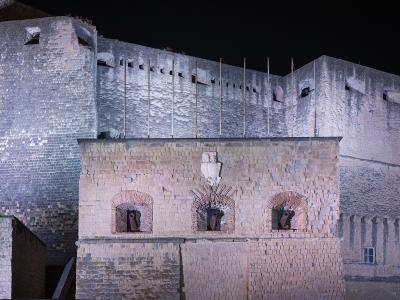
Castel dell'Ovo
Naples' oldest castle, known as the Egg Castle
Free Castles & Fortresses · Local Folklore
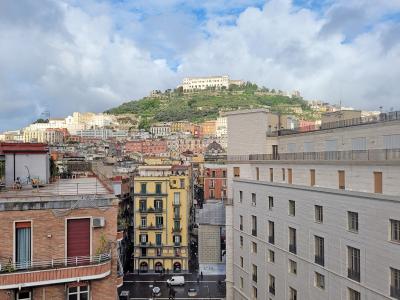
Certosa e Museo di San Martino
14th-century Carthusian monastery with panoramic Naples v...
History & Heritage · Museums & Culture
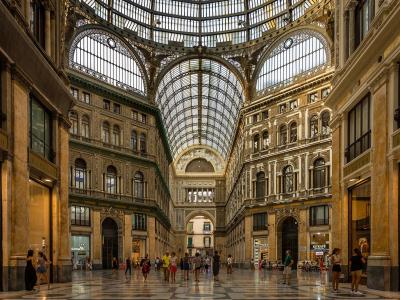
Galleria Umberto I
Cross-shaped 19th-century arcade with glass dome
Architectural Monuments · Shopping Streets

Parco Nazionale del Vesuvio
Active volcano and national park in Naples
Geological Sites · Hiking Trails
Questions people ask
Quick Facts
Best Time to Visit
Visit between April and June or September and October for mild temperatures and fewer crowds.