







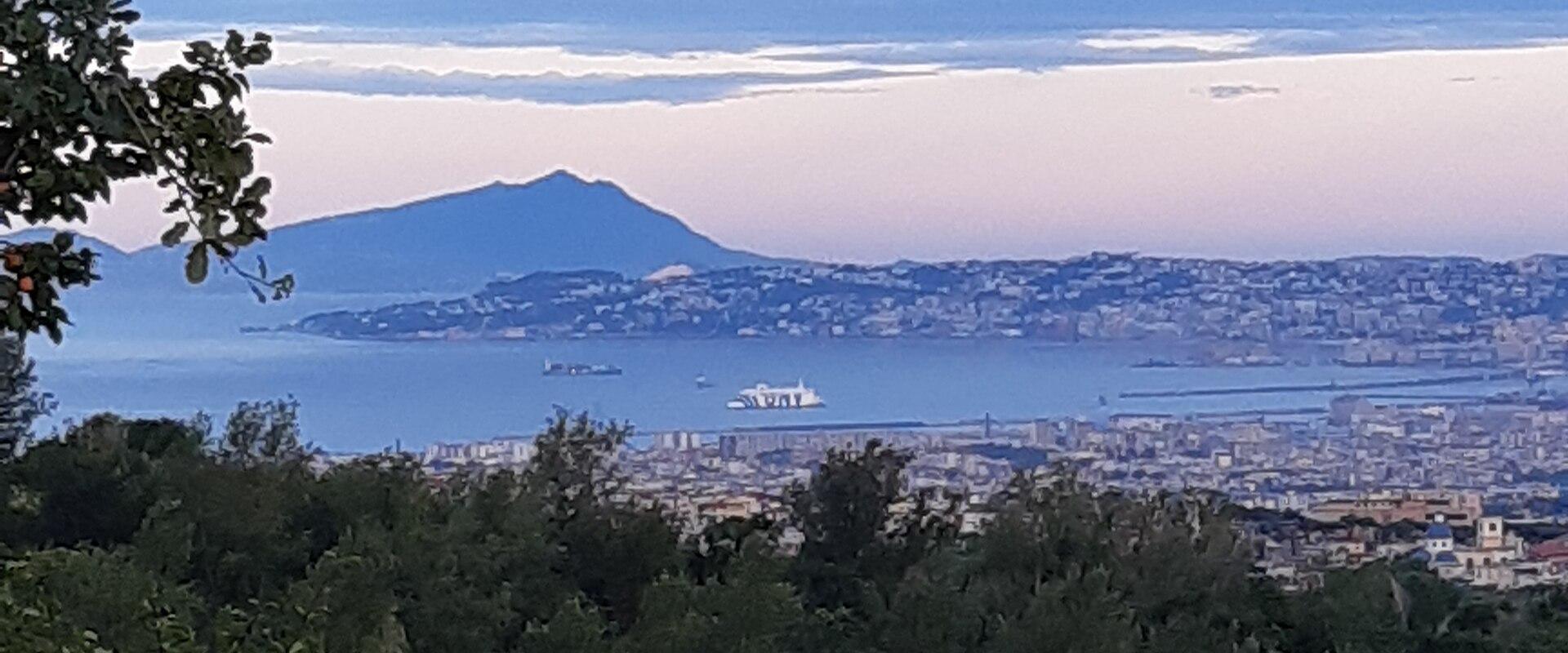
- Where
- Naples, Campania and Amalfi Coast
- Directions
- Directions
The Parco Nazionale del Vesuvio protects Mount Vesuvius and the land around it, in the Campania region, on the eastern side of the Bay of Naples. Vesuvius is one of the most famous volcanoes in the world and the only one on the European mainland to have erupted in the last hundred years, the last eruption being in March 1944. The mountain is a composite of two parts: the great cone of Vesuvius itself, which rises to about 1,280 metres, and the curved ridge of Monte Somma, the remnant of an older, larger volcano that was partly destroyed in a prehistoric eruption. The national park was created in the mid-1990s and covers several thousand hectares of slopes, forests, lava flows and farmland, with thirteen communes in the territory.
The volcano’s history is part of European history. In AD 79, a catastrophic eruption buried the Roman towns of Pompeii and Herculaneum and several smaller settlements, killing thousands of people and preserving the cities under ash and volcanic debris, which were rediscovered in the 18th century and are now among the greatest archaeological sites in the world. Since then, Vesuvius has erupted repeatedly, and the most recent episodes were closely observed. The Vesuvius Observatory, founded in 1841, is the oldest volcano observatory in the world, and the volcano is monitored continuously because of the large population living around it.
Visitors normally come to climb the main cone. A road leads up the slope to a car park at around one thousand metres, and from there a path zigzags up the cinders to the crater rim in about half an hour, rising across loose volcanic gravel. At the top, you can walk along part of the rim, look into the crater, which has steaming vents, and enjoy a spectacular view across the Bay of Naples, with the city, the islands of Capri and Ischia and the Sorrento peninsula. Other trails, through the forests of the lower slopes, give a quieter experience, with views of lava flows and the vegetation that slowly recolonises them, including broom, which blooms yellow in early summer, and holm oak and chestnut woods.
The slopes also have a farming tradition. Vineyards and orchards grow in the fertile volcanic soil, producing wines such as Lacryma Christi and the small Vesuvian apricots and tomatoes, and local producers and restaurants offer a taste of the area. Access to the crater is controlled, and the park sets opening hours, which change through the year according to daylight, with earlier closing in winter. Tickets are needed and may be booked online. Because Vesuvius is an active volcano, access can be restricted if conditions are unsafe, so check beforehand. The park suits walkers, families and anyone interested in geology and history, and it makes a good half-day trip from Naples, easily combined with a visit to Pompeii or the Museo Archeologico Nazionale di Napoli (MANN).
Categories
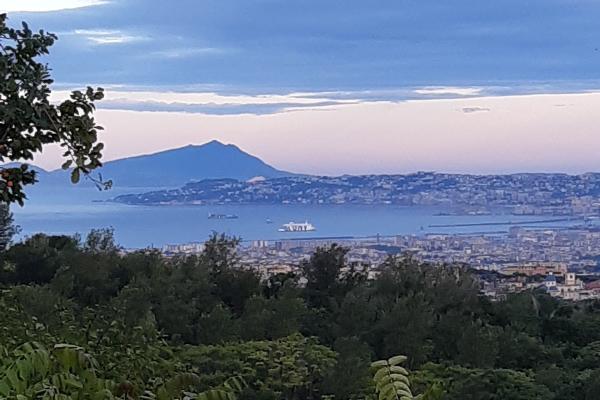
More photos coming soon
Nearby Attractions
Other places to visit in Naples
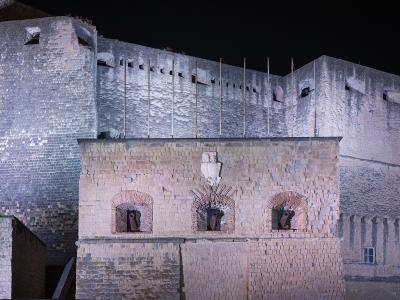
Castel dell'Ovo
Naples' oldest castle, known as the Egg Castle
Free Castles & Fortresses · Local Folklore
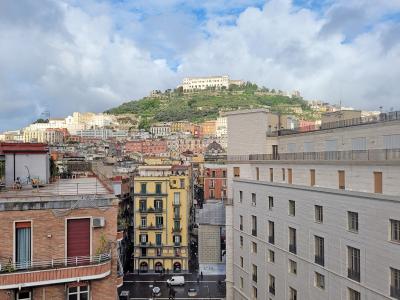
Certosa e Museo di San Martino
14th-century Carthusian monastery with panoramic Naples v...
History & Heritage · Museums & Culture

Galleria Umberto I
Cross-shaped 19th-century arcade with glass dome
Architectural Monuments · Shopping Streets

Museo Archeologico Nazionale di Napoli (MANN)
World's largest Greek-Roman art collection
Archaeological Museums · Art Museums
Questions people ask
Quick Facts
Best Time to Visit
Visit between April and June or September and October for mild temperatures and fewer crowds.