







- Where
- Montepulciano, Tuscany
- Directions
- Directions
The Chiesa di Sant’Agostino stands in the historic centre of Montepulciano, the Tuscan hill town known for its Renaissance palaces and its Vino Nobile wine, and it is a good example of the quieter churches that give the town its character. It is located near the Porta al Prato, the northern gate, close to the main street that climbs the ridge to Piazza Grande. The church was begun in the 14th century by the Augustinian friars, whose order it served, and it was altered in the following centuries, so that the building shows more than one phase of Tuscan architecture.
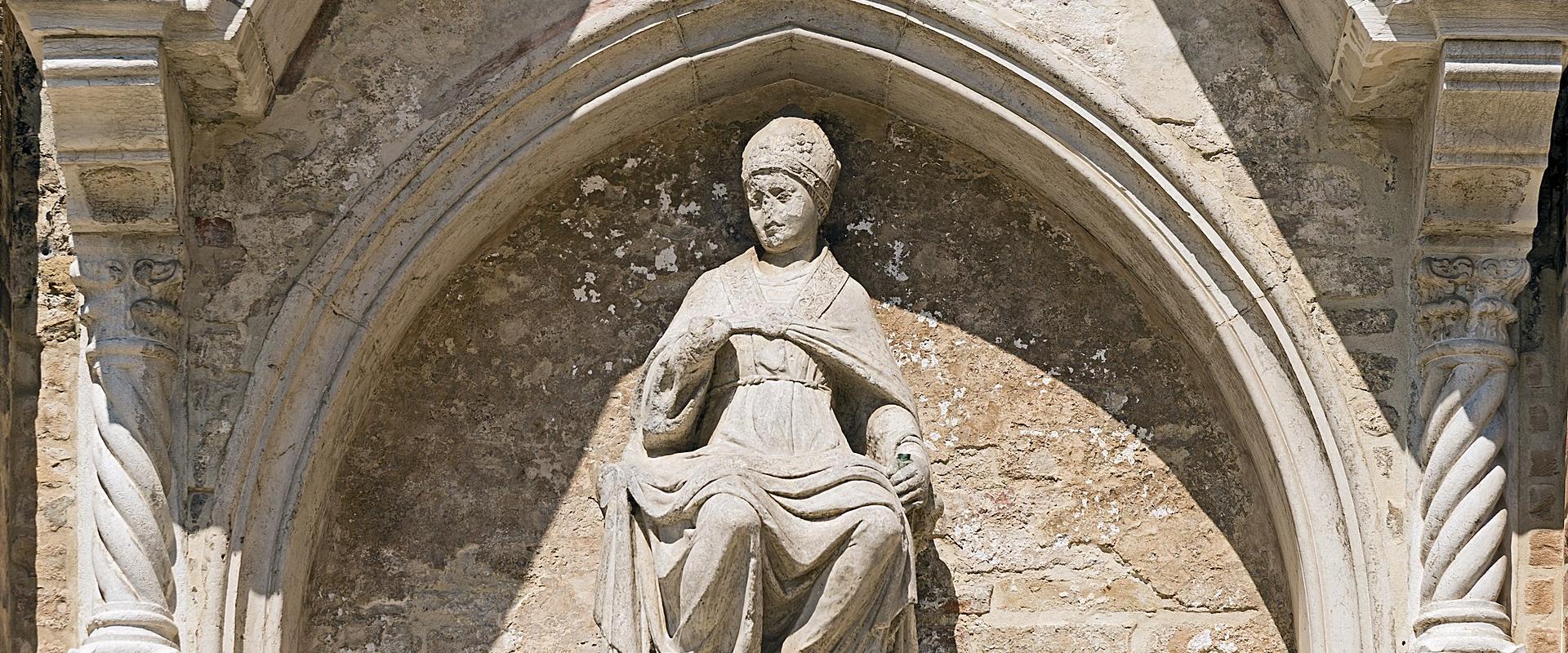
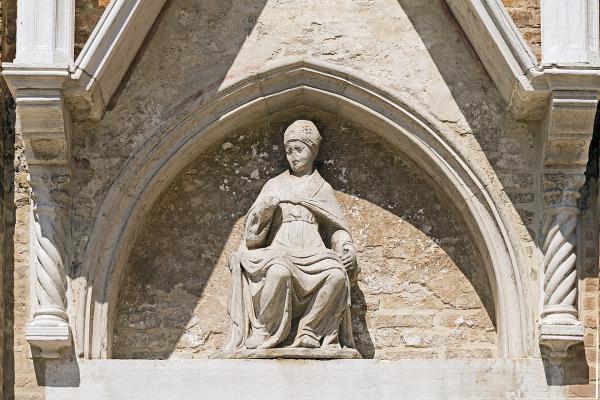
The most notable part of the exterior is the facade, which has a terracotta portal and a lunette with a figure of the Madonna and saints, generally attributed to the Florentine architect and sculptor Michelozzo, who worked here in the 1420s. The terracotta sculpture is a fine example of early Renaissance work in the town, and it contrasts with the plainer brickwork around it. The church is small and has a modest interior, with a single nave and side altars, and its main treasures are works of art connected to the devotions of the people of Montepulciano. Among them is a wooden crucifix on the high altar, which has been attributed to the great Florentine sculptor Donatello, though such attributions are debated.
The Augustinian order, founded in the Middle Ages and named for Saint Augustine, followed a rule of community life, and its friars were often preachers in towns like this, which helps to explain the church’s place in the life of Montepulciano. The building also reflects the Catholic heritage of the town, which came to prominence under the patronage of families such as the Tarugi, who built palaces in the centre and who are remembered in the Palazzo Tarugi on Piazza Grande. The church’s role as a place of prayer for the community continues today.
A visit is brief, perhaps twenty minutes, but the building fits well in a walk along the main street, which passes palaces, wine cellars and viewpoints over the Val di Chiana and the Val d’Orcia. It is a short distance from Piazza Grande, where the Duomo di San Biagio’s neighbour, the cathedral, stands, and the Palazzo Tarugi and the Palazzo Comunale are nearby. Because small churches often have limited hours, ask locally about when it is open. Visitors should dress modestly. The church suits those interested in Renaissance sculpture, in the history of the religious orders and in the quieter side of Montepulciano, away from the wine shops. A tasting of Vino Nobile at a nearby cellar makes a natural next stop.
More photos coming soon
Nearby Attractions
Other places to visit in Montepulciano
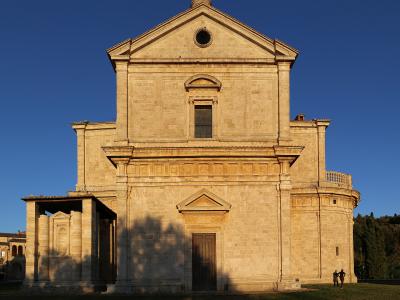
Duomo di San Biagio
Tuscan Renaissance temple of travertine
Free Architectural Monuments · Historic Churches
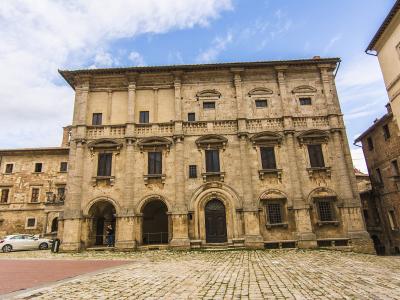
Palazzo Tarugi
16th-century Mannerist palace facing Montepulciano's Duomo
Architectural Monuments · Historic Palaces
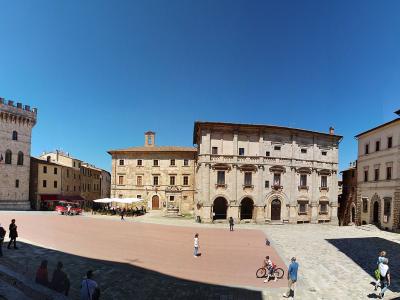
Piazza Grande
Renaissance civic square with Palazzo Comunale
Architectural Monuments · Historic Towns
Questions people ask
Quick Facts
Best Time to Visit
Visit between April and June or September and October for mild temperatures and fewer crowds.