







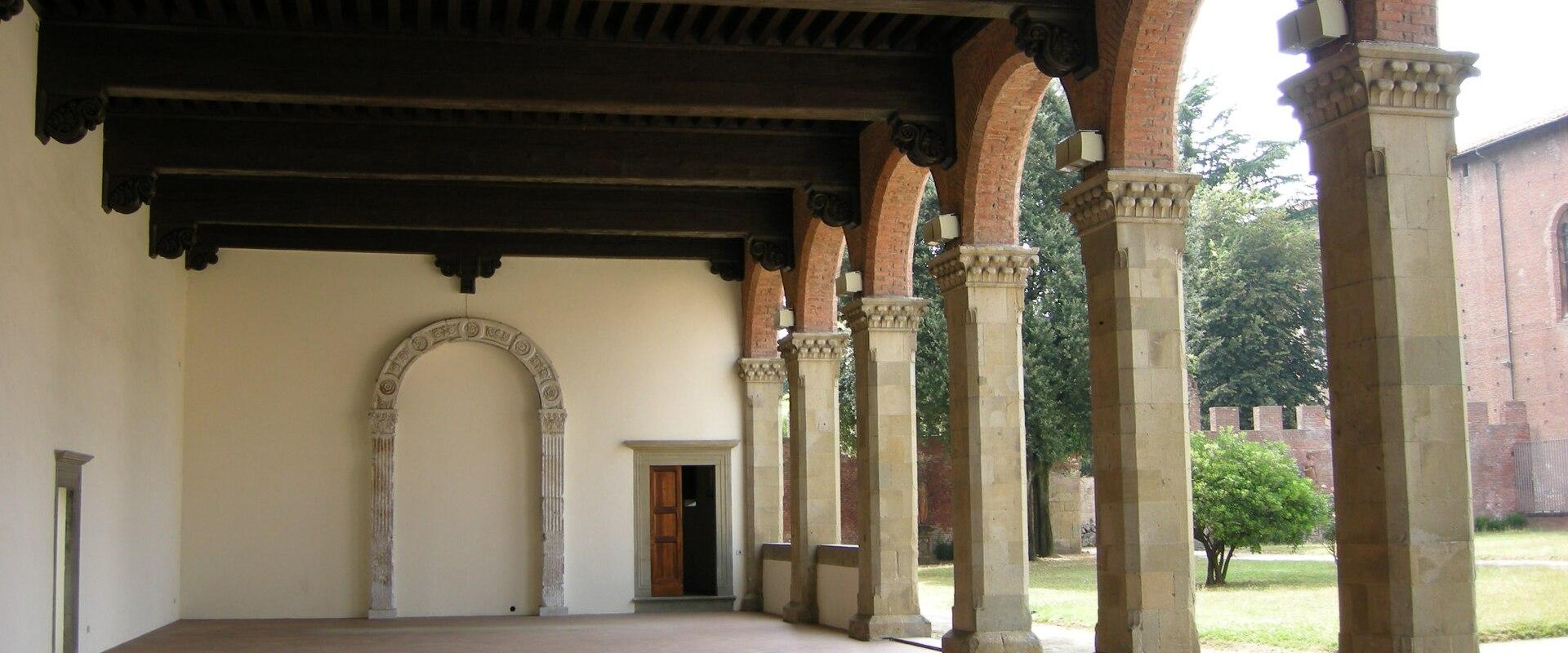
Museo Nazionale di Villa Guinigi
Renaissance villa housing Lucca's national museum
- Where
- Lucca, Tuscany
- Directions
- Directions
The Museo Nazionale di Villa Guinigi in Lucca is housed in a large brick palace on the eastern edge of the old town, built at the beginning of the 15th century for Paolo Guinigi, the lord of Lucca. Guinigi ruled the city from 1400 to 1430, a period when Lucca was at the height of its wealth from the silk trade, and he built the villa as a suburban residence just outside the old center, in the manner of a country villa near the city. It offers visitors a glimpse into the domestic life and artistic tastes of Lucca’s elite in the transition between the Middle Ages and the Renaissance. The Guinigi family is also remembered for the Guinigi Tower in the center of the city, with its famous oak trees growing on top.
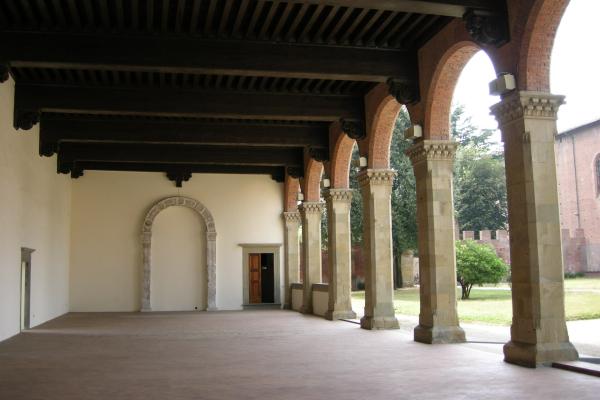
The building itself is a historic monument, a long, plain structure of brick with a tall portico on the ground floor, which contributes to the educational experience by immersing guests in the architectural style of the time. The museum’s public spaces are arranged on two floors. On the ground floor, exhibition halls are located within the two lateral wings of the palace, separated by a large entrance portico, a layout that provides a structured environment for exploring the collections. Upper-floor rooms continue the story, with large halls that keep the character of the original building.
The museum is the main place in Lucca to see the artistic history of the city and its territory from antiquity to the 18th century. The archaeological section displays Etruscan and Roman finds from Lucca and the surrounding area, showing the city’s ancient origins as a Roman colony. The medieval section is notable for its sculpture and for panel paintings of the Lucchese school, including painted wooden crosses, while later rooms show Renaissance works, among them sculptures by Matteo Civitali, the great Lucchese sculptor of the 15th century, and paintings by Tuscan masters of the 16th century. Fine woodwork, intarsia and objects used in daily life complete the picture and highlight the history of the Guinigi family, who were prominent rulers of Lucca, and the culture of the time.
It is advisable to check the official Comune di Lucca website or local tourism offices for current schedules and ticket prices, as these may vary by season, and as with many state museums, some rooms may be closed on a rotating basis. The museum is a short walk from the center, and the visit takes around one to two hours. It is quieter than many of the city’s main attractions, which makes it a calm break from the crowds on the walls and in the squares.
The experience of visiting Villa Guinigi allows visitors to appreciate the artistic heritage of Tuscany beyond the more famous sites in Florence or Pisa. Located close to the city walls, it is easily accessible on foot, making it a convenient stop for those exploring the historic center, and it fits well in a walk that includes the Guinigi Tower, the Palazzo Pfanner and the San Michele in Foro church. The museum is a quiet, reflective space for understanding the local history and the legacy of the Guinigi dynasty.
Categories
More photos coming soon
Nearby Attractions
Other places to visit in Lucca
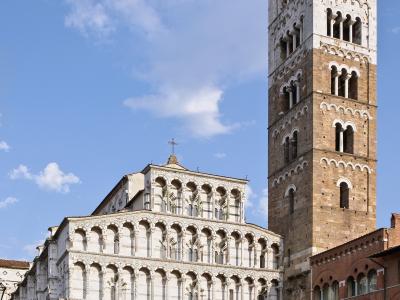
Basilica of San Martino
11th-century cathedral housing the Holy Face
Architectural Monuments · Cultural Tours
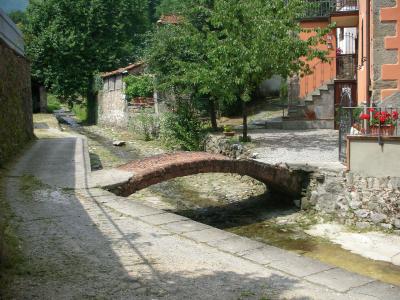
Borgo a Mozzano
Medieval Devil's Bridge with asymmetrical arches
History & Heritage · Natural Wonders
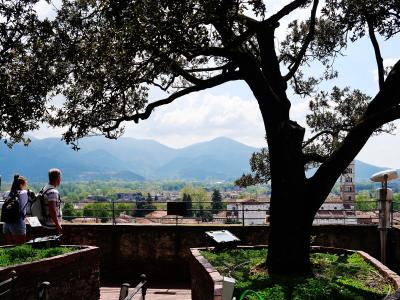
Guinigi Tower
14th-century tower with rooftop holm oak garden
Architectural Monuments · Historic Towns
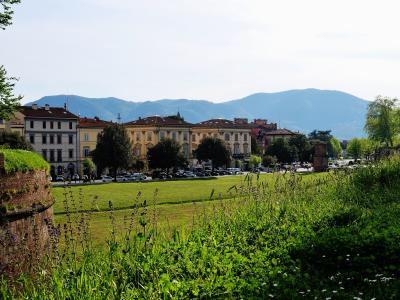
Lucca City Walls
Preserved Renaissance walls with a tree-lined promenade
History & Heritage · Natural Wonders
Questions people ask
Quick Facts
Best Time to Visit
Visit between April and June or September and October for mild temperatures and fewer crowds.