







- Where
- Lucca, Tuscany
- Directions
- Directions
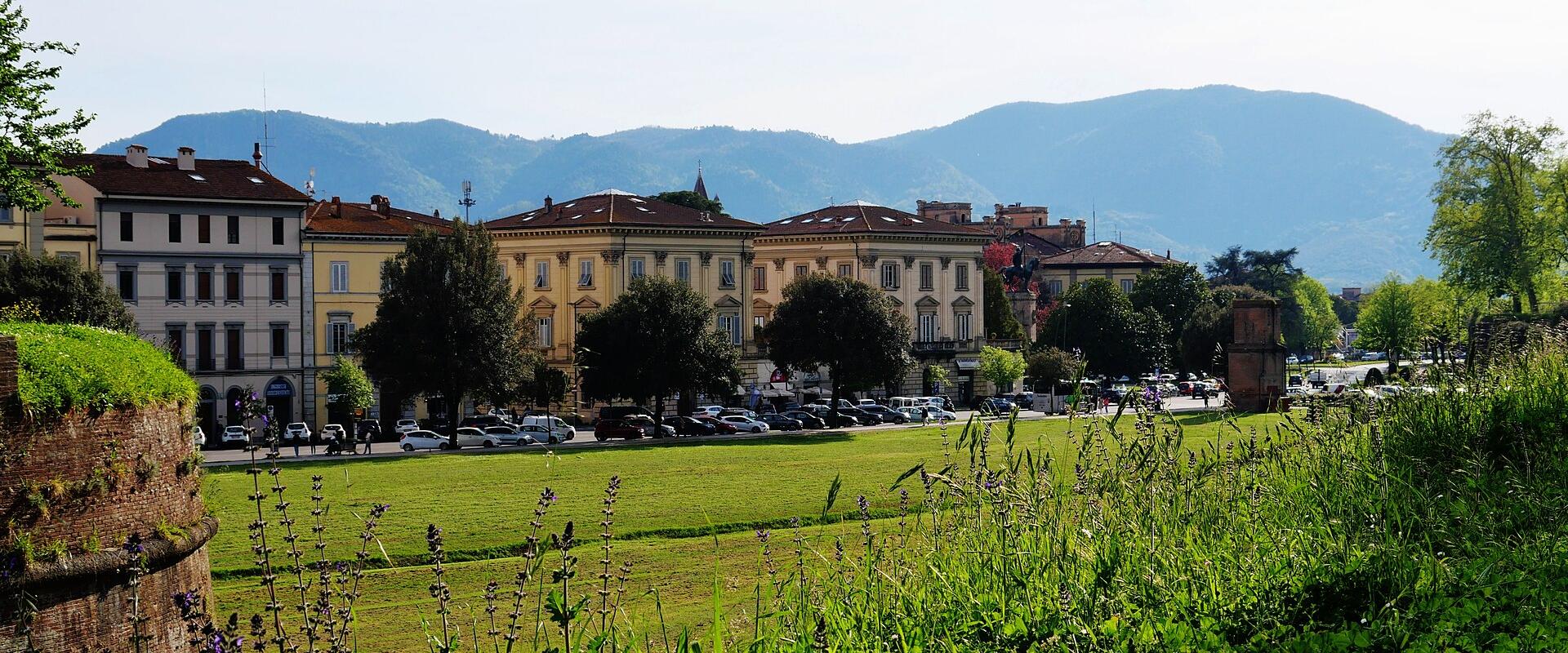
The Lucca City Walls are a remarkable example of Renaissance fortification that encircle the historic center of Lucca, Italy. For over two thousand years, defensive walls of one kind or another have defined the city, evolving alongside its society, urban planning and worldview: first a Roman circuit, then a medieval one, and finally the great bastioned ring that survives today. The present walls were built mainly between the early 16th and the mid-17th century, when Lucca, an independent republic, feared the powerful states around it and invested heavily in modern defenses designed to resist artillery. Originally built for defense, they now serve as a unique public park and a popular destination for visitors.
The walls are approximately four kilometers long and form a complete circuit around the old town. They consist of massive brick ramparts backed by a thick bank of earth, with eleven projecting bastions at the corners and six gates, and a sloping grass glacis on the outer side. Because the republic never had to defend them in earnest, and later the walls were never altered for military use, they survived intact. In the 19th century, under the Bourbon duchess Maria Luisa, the top of the ramparts was transformed into a promenade, planted with rows of trees, and what had been a military structure became a favorite place for the people of Lucca to stroll.
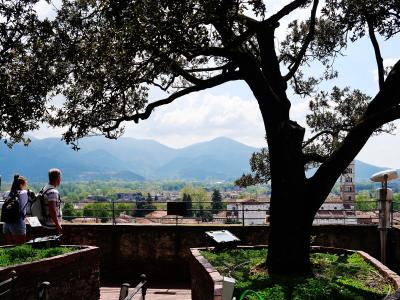
Today the wide, elevated walkway is topped with a tree-lined promenade, and it offers panoramic views of the city’s distinctive layout, with its many towers, churches and terracotta roofs rising above the ramparts, and of the Apuan Alps and the Tuscan hills beyond. Visitors can walk or cycle along the top of the walls, enjoying the shade of plane trees and other mature trees that line the path, with benches, lawns and picnic spots at many points. The experience provides a peaceful retreat from the streets below, allowing for a comprehensive appreciation of Lucca’s architectural harmony. Along the circuit, several bastions have been turned into gardens and small cafes, and in some of them the old casemates serve as event spaces.
While specific opening hours and admission fees do not apply to the public walkway, as it is an open-air space, access is free. The walls are accessible at all times, making them a flexible addition to any itinerary, and several ramps and staircases lead up from the streets near the gates. Bicycle rentals are available nearby for those wishing to explore the entire perimeter, and a full circuit by bike takes about thirty minutes at a relaxed pace, or around an hour on foot. Late afternoon and early evening are especially pleasant, when the light is soft and many residents come out for a walk or a run.
Exploring the Lucca City Walls offers a tangible connection to the city’s defensive history and its unique urban identity. The circular path is an essential vantage point to understand the layout and scale of one of Tuscany’s most well-preserved medieval cities, and the park-like atmosphere, with children on bikes and elderly couples on benches, shows how the old defenses have become part of daily life. From the walls it is a short walk to the Guinigi Tower, with its oak trees on the roof, the oval Piazza dell’Anfiteatro and the Basilica of San Martino.
Categories
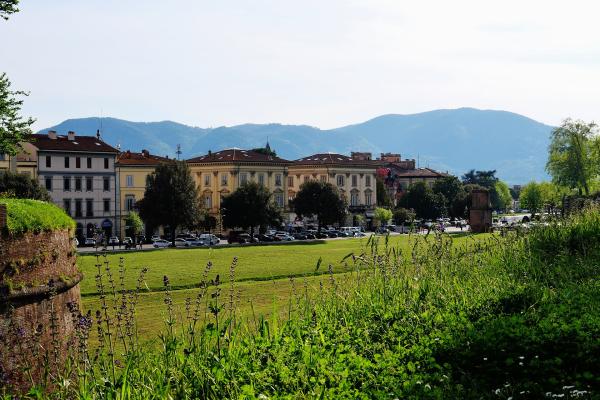
More photos coming soon
Nearby Attractions
Other places to visit in Lucca
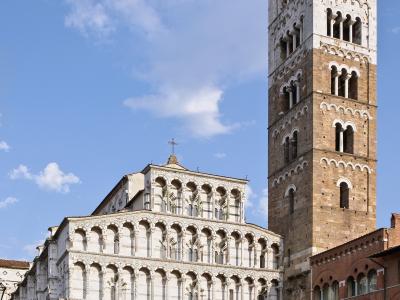
Basilica of San Martino
11th-century cathedral housing the Holy Face
Architectural Monuments · Cultural Tours
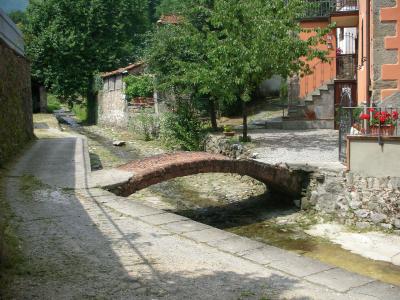
Borgo a Mozzano
Medieval Devil's Bridge with asymmetrical arches
History & Heritage · Natural Wonders
Guinigi Tower
14th-century tower with rooftop holm oak garden
Architectural Monuments · Historic Towns

Lucca Comics & Games
Europe's premier comic and gaming festival in Lucca
Cultural Centers · Cultural Festivals
Questions people ask
Quick Facts
Best Time to Visit
Visit between April and June or September and October for mild temperatures and fewer crowds.