Cuneo
Triangular Piedmont city at the foot of the Alps with historic center
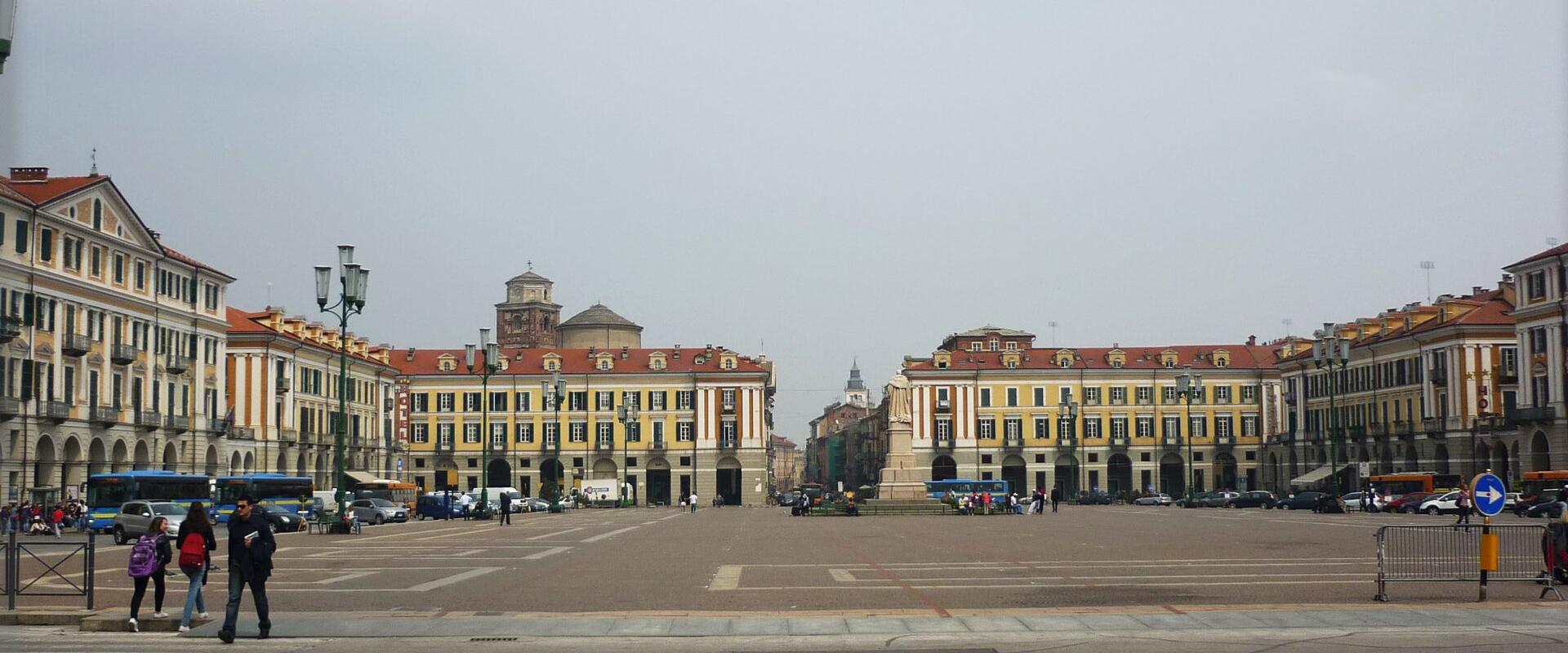
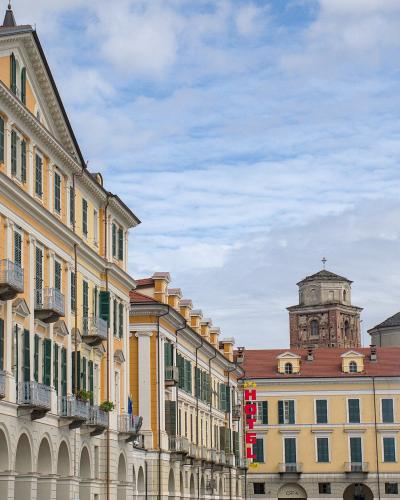
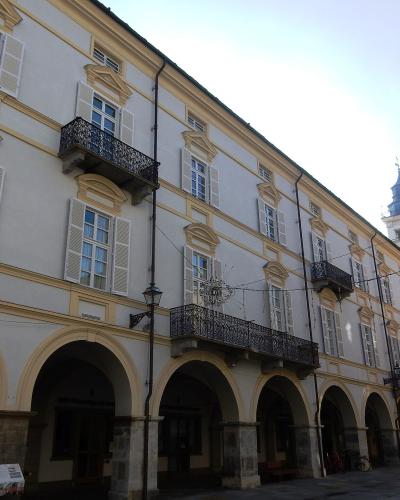
Cuneo’s history dates back to the Middle Ages, when it was founded as a free commune in the 12th century. The city’s triangular shape is a direct result of its defensive walls, which were built to protect against invasions. Cuneo played a significant role in the region’s political landscape, often contested between the House of Savoy and other powers. During the 17th and 18th centuries, the city flourished under Savoyard rule, with the construction of many of its current historic buildings. The city was heavily damaged during World War II due to its strategic location near the French border, but it has since been restored. Today, Cuneo preserves its historic center, which includes narrow streets, piazzas, and significant religious and civic buildings. The city is also a center for education and commerce, with a strong agricultural economy based on the fertile plains and mountainous hinterland.
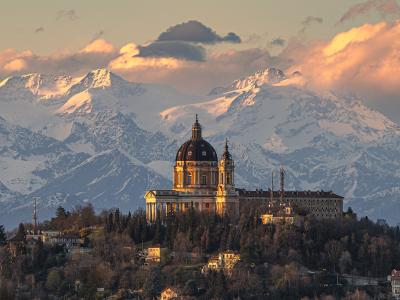
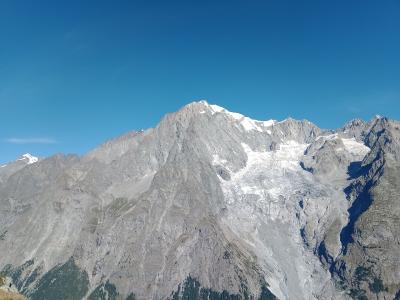
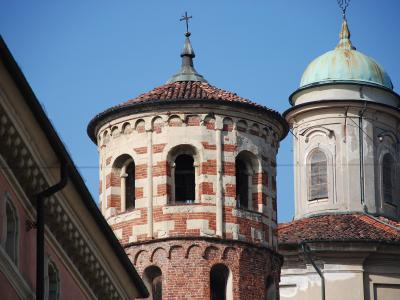
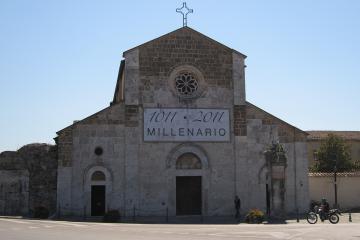
The main attractions in Cuneo are centered around its historic center and religious sites. The Collegiata di San Michele Arcangelo is a prominent Gothic church with a striking facade and interior. The Palazzo Comunale, located in Piazza Tancredi Galimberti, is the seat of the city government and features a beautiful courtyard. The Complesso Monumentale di San Francesco is a former Franciscan convent that now houses cultural events and exhibitions. The Viadotto Soleri, a historic railway viaduct, is an engineering marvel and a symbol of the city’s industrial past. The city also boasts several museums, including the Museo Civico, which displays artifacts from the region’s prehistoric and Roman history. The surrounding area offers access to the Alps, with numerous hiking trails and ski resorts.
Activities in Cuneo include exploring the historic sites, visiting museums, and enjoying the outdoors. The city is known for its local cuisine, particularly dishes featuring hazelnuts, truffles, and regional wines like Barbera and Dolcetto. Visitors can take guided tours to learn about the city’s history and architecture. The surrounding mountains offer opportunities for hiking, skiing, and mountain biking. Cuneo also hosts various festivals and events throughout the year, including the Truffle Fair. Shopping includes local ceramics, textiles, and food products. For those interested in history, guided tours are available to explore the city’s medieval and Savoyard heritage.
Getting to Cuneo is convenient via rail and road. The city is well-connected by the Turin-Marseille railway line, with frequent trains from Turin and Nice. Cuneo has a railway station in the city center. For those traveling by car, the A6 motorway provides easy access from Turin and Genoa. The nearest airport is Cuneo International Airport, located about 10 kilometers from the city center. The best time to visit Cuneo is from April to June or September to October, when the weather is mild and pleasant, ideal for exploring the outdoor attractions and historic sites. July and August are peak tourist months, with higher temperatures and larger crowds. Winter is cold but offers opportunities for skiing and snow sports in the surrounding mountains. Despite the seasonal variations, Cuneo’s rich history and natural beauty make it a rewarding destination year-round.
Best Time to Visit
Visit between April and June or September and October for mild temperatures and fewer crowds.
Did you know?
Interesting, verified facts about Cuneo
Cuneo Has a Distinct Local Story
HistoryCuneo is a historic city in the Piedmont region of northwestern Italy, serving as the capital of the Province of Cuneo.
Source: CuneoCuneo Has Another Verifiable Detail
HistoryIt offers a distinct atmosphere that blends Alpine grandeur with the relaxed pace of Piedmontese life.
Source: PIEDMONT - Visit Cuneo and its Province. 1 - italia-italy.orgCuneo Has Another Verifiable Detail
HistoryCuneo is a gateway to the Ligurian Alps and the Maritime Alps, offering access to stunning natural landscapes, including the Mercantour National Park.
Source: Mercantour National Park and Parco naturale Alpi MarittimePlan Your Visit to Cuneo
Essential travel tips and information for your trip to Cuneo.
Suggested Itineraries
Best of Cuneo
1 dayOne-day exploration of Cuneo's historic center and Piedmontese cuisine
View ItineraryCuneo Weekend Getaway
2 daysTwo-day tour of Cuneo's historic center and Alpine foothills
View ItineraryTravel Tips
Currency
EUR • Cards widely accepted
Language
Italian • English in tourist areas
WiFi
Free WiFi in cafes and hotels
Explore Cuneo by Interest
Discover attractions and experiences in Cuneo organized by your interests and travel preferences.
All attractions in Cuneo
Sorted by our recommendation score
Quick Facts
Book your stay
Frequently Asked Questions
More destinations in Piedmont and Aosta Valley
Explore other amazing places in the Piedmont and Aosta Valley region