
Brindisi
Ancient Roman port city in Apulia with historic center and islands
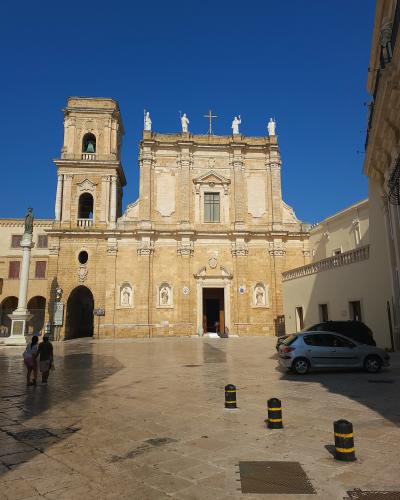
Brindisi’s history dates back to the Messapian period, with significant development during Roman times. The city became a major port for trade with the East, serving as the terminus of the Via Appia, the famous Roman road. During the Roman Empire, Brindisi was one of the most important ports in the Mediterranean, facilitating trade with Greece, Egypt, and the Levant. The city’s strategic importance continued through the Middle Ages and the Renaissance, with various powers, including the Byzantines, Normans, and Spanish, controlling the port. In the 19th century, Brindisi became a key naval base and a gateway for Italian emigrants traveling to the Americas. The city’s architecture reflects this diverse history, with Roman columns, medieval fortifications, and Baroque churches. The Old Town (Centro Storico) retains its historic character, with narrow streets and traditional buildings.
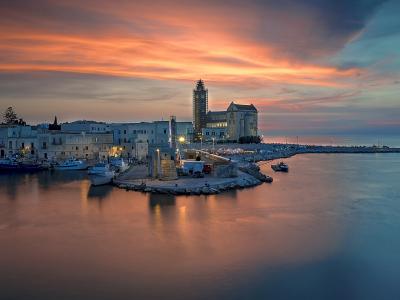
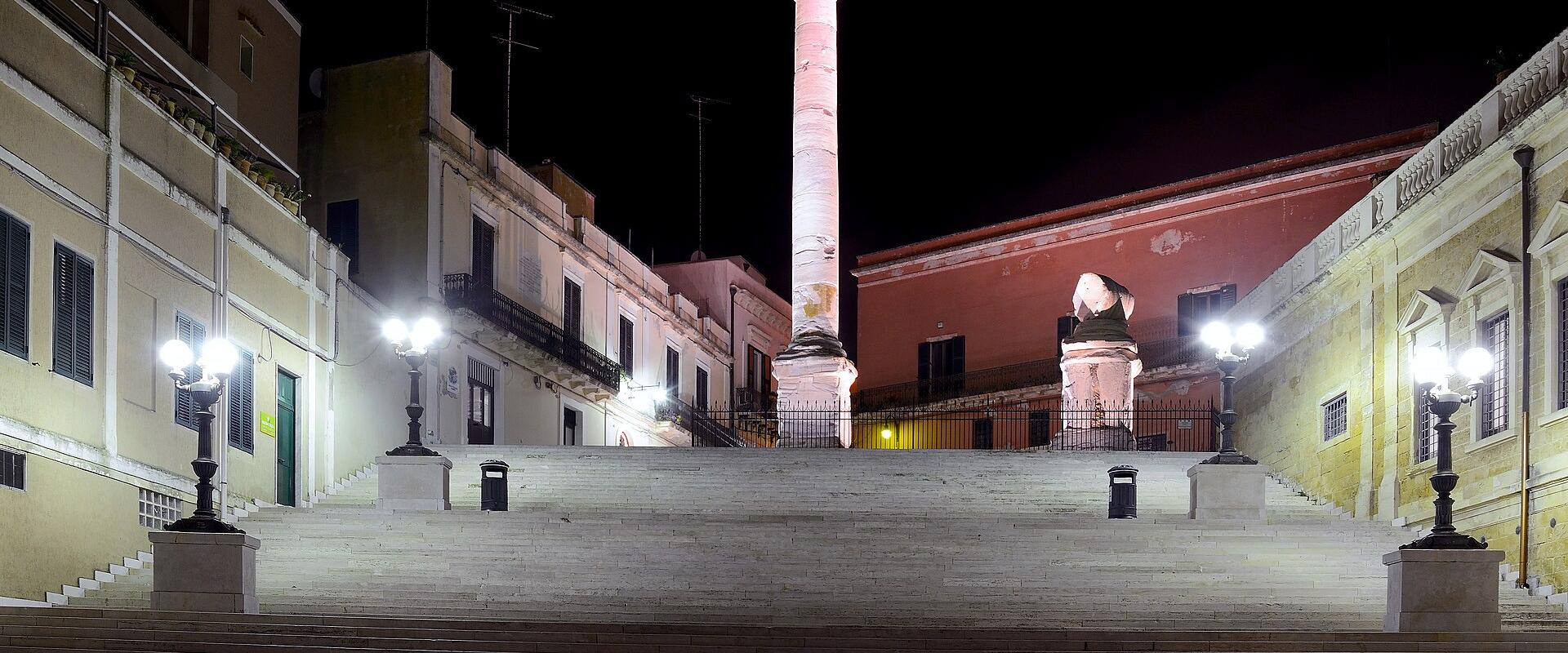
The main attractions in Brindisi are centered around its historic center and the port. The Piazza della Libertà is the heart of the city, featuring the Venetian Columns, which mark the end of the Via Appia. The Columns of San Tommaso and San Paolo are iconic landmarks, with one of them having a hole through it, said to be where St. Thomas inserted his finger to verify the resurrection of Christ. The Castello Svevo, a 13th-century fortress built by Frederick II, now houses the Archaeological Museum, displaying artifacts from the Messapian and Roman periods. The Basilica of Santa Maria del Casale, a Norman church with stunning Byzantine-style mosaics, is another significant site. The Old Port (Porto Vecchio) offers a picturesque setting with waterfront restaurants and cafes. The nearby islands of San Pancrazio and San Cataldo offer beaches and natural beauty.
Activities in Brindisi include exploring the historic sites, visiting the museums, and enjoying the waterfront. The city is known for its fresh seafood and traditional Puglian dishes, such as orecchiette pasta and grilled fish. Visitors can take boat tours to the nearby islands or explore the surrounding countryside. The Salento region offers beautiful beaches, historic towns, and olive groves. Brindisi also hosts various festivals and events throughout the year, celebrating its cultural heritage. Shopping includes local ceramics, olive oil, and wine. For those interested in history, guided tours are available to explore the Roman ruins and the city’s maritime past.
Getting to Brindisi is convenient via rail and road. The city is well-connected by the Adriatic railway line, with frequent trains from Bari, taking approximately 1 hour. Brindisi has a railway station in the city center. For those traveling by car, the A14 motorway provides easy access from north and south. The nearest airport is Brindisi-Casale Airport, located about 10 kilometers from the city center. The best time to visit Brindisi is from April to June or September to October, when the weather is mild and pleasant, ideal for exploring the outdoor attractions and historic sites. July and August are peak tourist months, with higher temperatures and larger crowds. Winter is mild but can be windy. Despite the seasonal variations, Brindisi’s rich history and beautiful coastline make it a rewarding destination year-round.
Best Time to Visit
Visit between April and June or September and October for mild temperatures and fewer crowds.
Did you know?
Interesting, verified facts about Brindisi
Brindisi Has Another Verifiable Detail
HistoryBrindisi’s history is deeply rooted in its strategic location, which made it a key stop on the Via Appia and a major port for trade and pilgrimage.
Source: Brindisi - WikipediaPlan Your Visit to Brindisi
Essential travel tips and information for your trip to Brindisi.
Suggested Itineraries
Best of Brindisi
1 dayOne-day exploration of Brindisi's Roman ruins and Swabian Castle
View ItineraryTravel Tips
Currency
EUR • Cards widely accepted
Language
Italian • English in tourist areas
WiFi
Free WiFi in cafes and hotels
Explore Brindisi by Interest
Discover attractions and experiences in Brindisi organized by your interests and travel preferences.

All attractions in Brindisi
Sorted by our recommendation score
Quick Facts
Book your stay
Frequently Asked Questions
More destinations in Apulia
Explore other amazing places in the Apulia region