
Asti
Piedmontese city known for Barbera wine, Palio horse race, and medieval towers
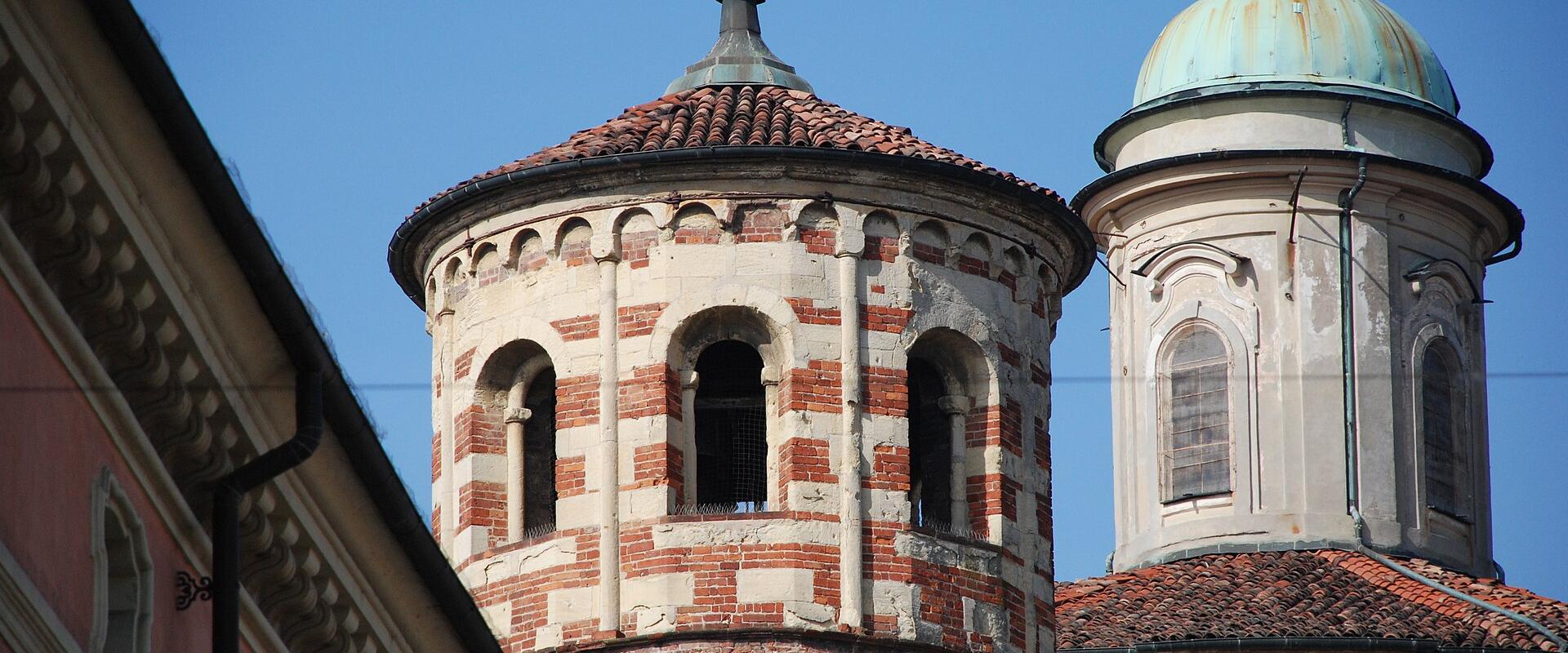
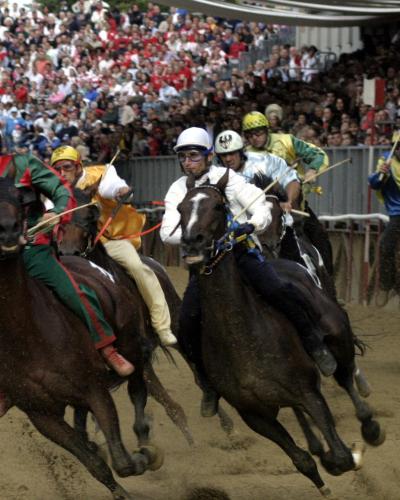
Asti’s history dates back to pre-Roman times, with evidence of Ligurian and Celtic settlements. The city was founded as a Roman colony named Asta in the 2nd century BC and became an important center in the region. During the Middle Ages, Asti was a powerful commune, often in conflict with neighboring cities like Turin and Alba. The city was ruled by various families, including the Del Carretto and the Visconti, before coming under the control of the House of Savoy in the 15th century. This period saw the construction of many of the city’s iconic towers, which served as symbols of power and defense. The Palio di Asti, a historic horse race, dates back to the 13th century and remains a central part of the city’s cultural identity. Today, Asti preserves its historic center, with narrow streets, medieval palaces, and churches that reflect its layered past as a Roman colony, medieval commune, and wine-producing hub.
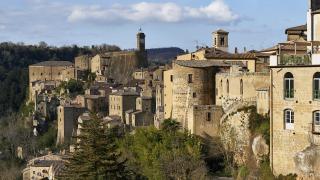
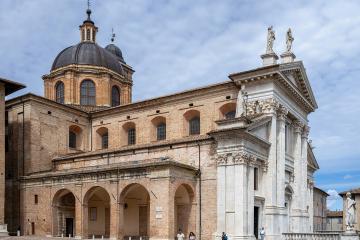
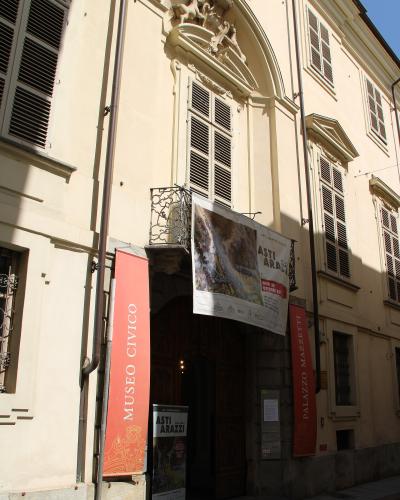
The main attractions in Asti are centered around its historic center and wine heritage. Piazza Alfieri is the main square, surrounded by elegant buildings and the Palazzo dell’Arengo. The Torre Alfieri, a medieval tower, offers panoramic views of the city and surrounding hills. The Cathedral of Asti, with its Romanesque and Gothic elements, is a significant religious site. The Palazzo Mazzetti, a noble palace, houses the Civic Museum, featuring art and artifacts from the city’s history. The city is also known for its wine cellars and tasting rooms, where visitors can sample Barbera and Moscato wines. The surrounding Monferrato region, a UNESCO World Heritage Site, offers scenic drives through vineyards and hills. The nearby town of Alba is known for its truffles and white wines.
Activities in Asti include wine tasting, exploring the historic center, and attending the Palio. The city is known for its traditional Piedmontese cuisine, including agnolotti, braised beef (brasato), and truffle dishes. Visitors can take guided tours to learn about the history of wine production in the region. The surrounding area offers opportunities for hiking, cycling, and visiting castles. Asti also hosts various festivals and events throughout the year, including the Asti Spumante Festival. Shopping includes local ceramics, textiles, and food products. For those interested in history, guided tours are available to explore the medieval and Roman heritage of the city.
Getting to Asti is convenient via rail and road. The city is well-connected by train from Turin, with frequent services taking approximately 40 minutes. For those traveling by car, the A33 motorway provides easy access from Turin and Genoa. The nearest airport is Turin Airport, located about 60 kilometers away. The best time to visit Asti is from April to June or September to October, when the weather is mild and pleasant, ideal for exploring the outdoor attractions and historic sites. The Palio di Asti takes place in September, attracting large crowds. July and August are peak tourist months, with higher temperatures and larger crowds. Winter is cool but offers a quieter experience, with the city’s museums and cafes providing cultural entertainment. Despite the seasonal variations, Asti’s rich wine heritage and historical significance make it a rewarding destination year-round.
Best Time to Visit
Visit between April and June or September and October for mild temperatures and fewer crowds.
Did you know?
Interesting, verified facts about Asti
Asti Preserves Medieval Heritage
Food & DrinkAsti offers a distinct atmosphere of culinary richness and historical depth, characterized by its well-preserved medieval center, numerous towers, and elegant piazzas.
Source: Asti - WikipediaAsti Is Shaped by a River
HistoryAsti is a historic city in the Piedmont region of northwestern Italy, located in the plain of the Tanaro River.
Source: TanaroPlan Your Visit to Asti
Essential travel tips and information for your trip to Asti.
Suggested Itineraries
One Day in Asti
1 dayPerfect for a quick visit. See the main highlights and get a taste of local culture.
Extended Asti Experience
2-3 daysComprehensive exploration including nearby attractions and cultural experiences.
Travel Tips
Currency
EUR • Cards widely accepted
Language
Italian • English in tourist areas
WiFi
Free WiFi in cafes and hotels
Explore Asti by Interest
Discover attractions and experiences in Asti organized by your interests and travel preferences.




All attractions in Asti
Sorted by our recommendation score
Quick Facts
Book your stay
Frequently Asked Questions
More destinations in Piedmont and Aosta Valley
Explore other amazing places in the Piedmont and Aosta Valley region