







- Admission
- Free admission
- Hours
- Daily 7:30 AM to 7:00 PM (excluding Holy Mass times)
- Where
- Asti, Piedmont and Aosta Valley
- Directions
- Directions
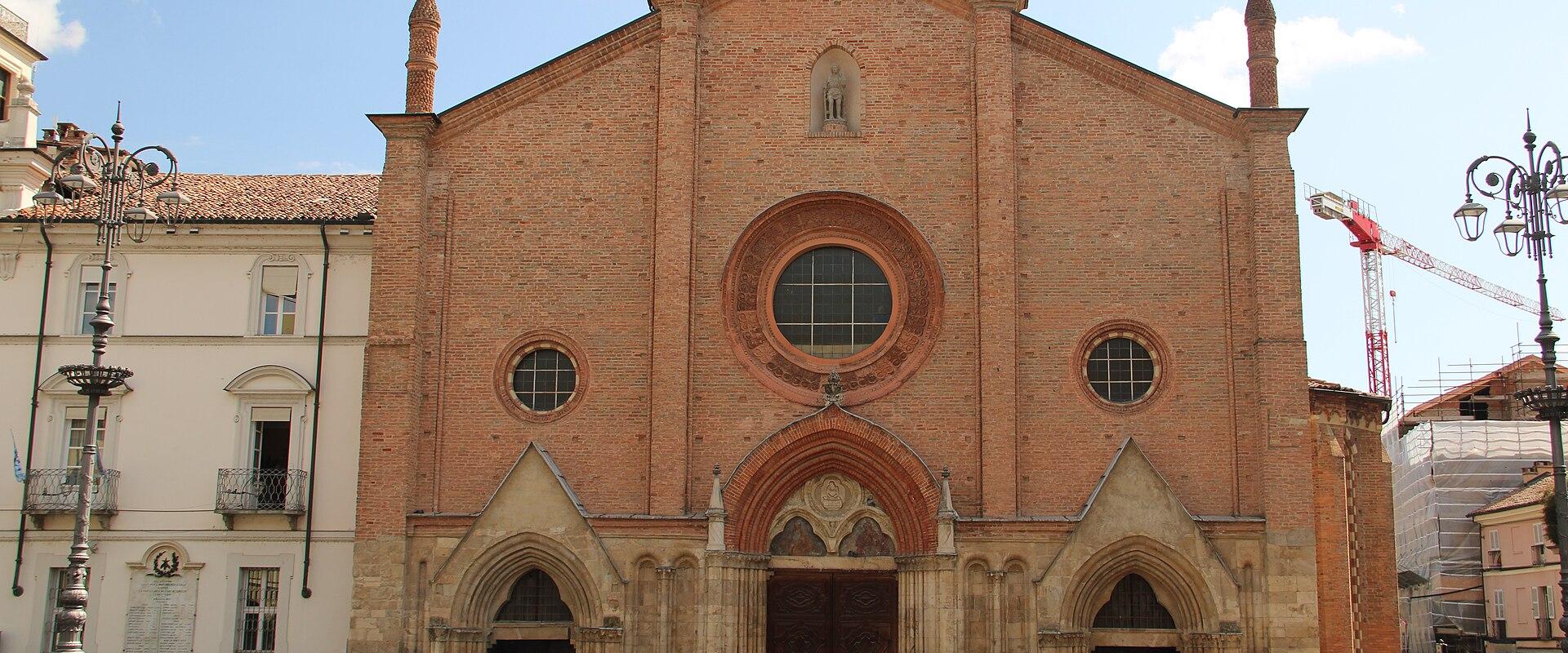
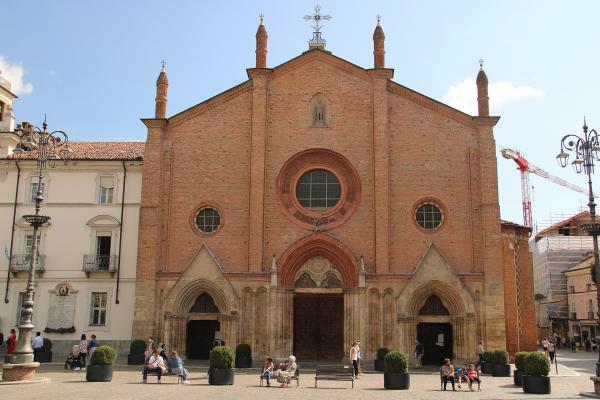
The Collegiata di San Secondo, often called the Cattedrale di San Secondo, is one of the oldest and most important churches in Asti, in Piedmont, and the centre of the cult of the city’s patron saint. The word collegiata means that it is a collegiate church, run by a chapter of canons, and although it is often called the cathedral, the actual cathedral of Asti is the Duomo di Santa Maria Assunta, which stands elsewhere in the town. San Secondo is dedicated to Secundus, the saint who is said to have been martyred in Asti in the year 119 AD, under the emperor Hadrian, after he was converted to Christianity and refused to renounce his faith. His memory has been honoured here for centuries, and the church was built over the place associated with his burial. The present building was constructed between the 13th and 15th centuries, in the Gothic style, in brick, on a Latin cross plan, and it stands on the square that bears the saint’s name.
The interior has the austere but impressive character of the Piedmontese Gothic. Tall pillars support pointed vaults, and the nave and aisles lead to a deep apse, with a series of chapels along the sides, each with altars and paintings from different periods. The church houses a number of notable works of art. Among them is a polyptych by Gandolfino da Roreto, a painter of the Piedmontese Renaissance, a Polyptych of the Magi from around 1518, a large panel painting in several sections that shows the Adoration of the Magi with rich colours and detail. A wooden crucifix of 1658, carved by Michele Enatem, is another work that attracts attention. The church also preserves frescoes of the late Middle Ages in some of its chapels and carved furnishings.
Below the church lies the crypt, which contains the remains of the saint and is the oldest part of the complex, with columns and capitals that recall the earlier church on the site. Pilgrims come to venerate the relics, and the cult of San Secondo remains an important part of local religious life. The church also has a link with the most famous event in Asti, the Palio, the historic horse race held each September, in which the city’s districts compete bareback in the main square. The church displays the drapes of the Palio, the painted banners awarded to the winners of past races, so that the religious and civic traditions of the city come together in the same building. The Palio is one of the oldest in Italy, and the festival that surrounds it, with its medieval costumes and parades, is a major event.
Visitors will find that the church is an active place of worship, so modest dress is expected, and visits may be limited during Holy Mass. Other places include the Piazza del Duomo. Opening times vary, so check locally. A visit takes about half an hour, or longer if you want to study the paintings and the crypt. The church is in the centre of Asti, a short walk from Palazzo Mazzetti, the city’s civic museum, and the main squares of the old town, and Asti is also famous for its sparkling wine, Asti Spumante, and the red wines of the surrounding hills. The church suits those interested in Gothic architecture, religious art and local traditions.
More photos coming soon
Hours & Fees
- Open
- Daily 7:30 AM to 7:00 PM (excluding Holy Mass times)
- Admission
- Free admission
Hours and prices change, especially out of season. Check with the venue before you go.
Nearby Attractions
Other places to visit in Asti
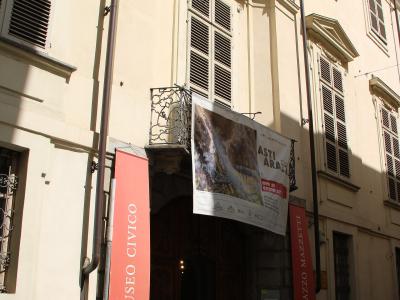
Palazzo Mazzetti
18th-century palace housing civic art and archaeology
History & Heritage · Museums & Culture
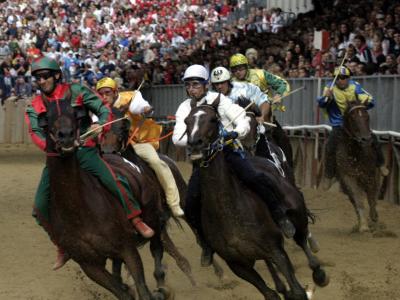
Palio di Asti
13th-century bareback horse race in Piazza Alfieri
Cultural Festivals · Historic Arenas
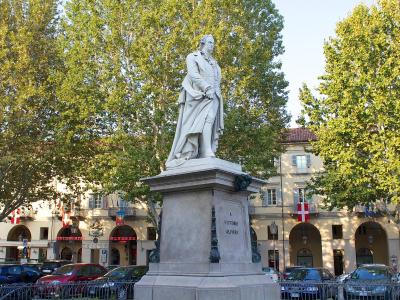
Piazza Alfieri
Asti's main square and home of the Palio
Historic Districts · Historic Palaces
Questions people ask
Quick Facts
Best Time to Visit
Visit between April and June or September and October for mild temperatures and fewer crowds.