







- Where
- Asti, Piedmont and Aosta Valley
- Directions
- Directions
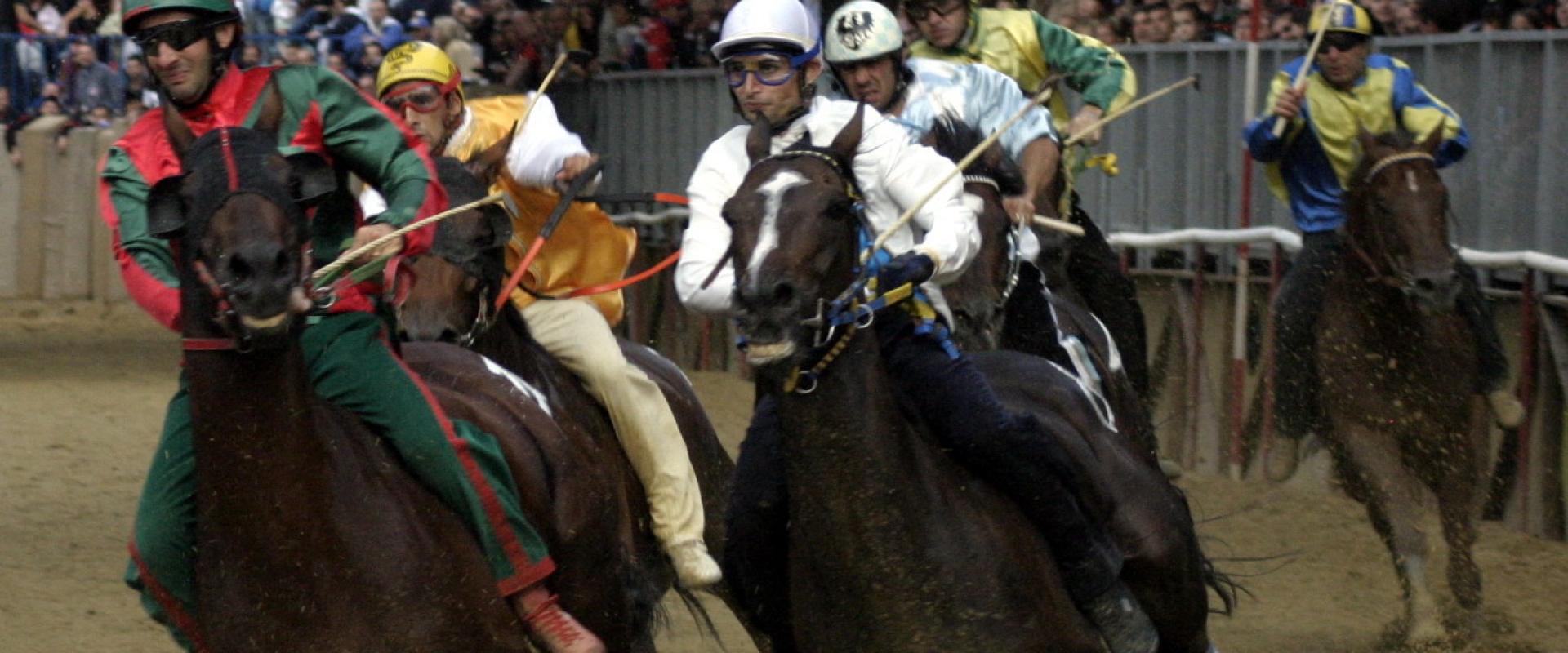
The Palio di Asti is a traditional Italian festival of medieval origin, culminating in a bareback horse race that has been held annually since the 13th century, in Asti, in Piedmont. The earliest record dates to 1275. The event is dedicated to the patron saint San Secondo, the martyr who is the protector of the city. Originally, the race took place through the ancient city streets, but since 1988 it has been held in Piazza Alfieri, the large triangular square in the center of Asti, where a track of sand is laid over the paving for the occasion. The race typically takes place in September, currently on the first Sunday, though it was previously on the third. There were interruptions in the 1870s and a 30-year hiatus in the 20th century, and the modern festival was revived in the 1960s.
The term Palio derives from the Latin pallium, referring to the cloth banner originally awarded to the winner. This banner eventually came to denote the entire event and its associated rituals. In Asti, the prize is a painted cloth banner, specially made each year by an artist, that goes to the district or village whose horse and rider cross the finish line first, and winning it is a matter of intense pride. The city and surrounding villages are divided into competing teams, the rioni, the borghi and the comuni, around twenty in all, each with its own colors, flag and traditions, and for weeks before the race, the teams hold dinners, parades and events in their quarters.
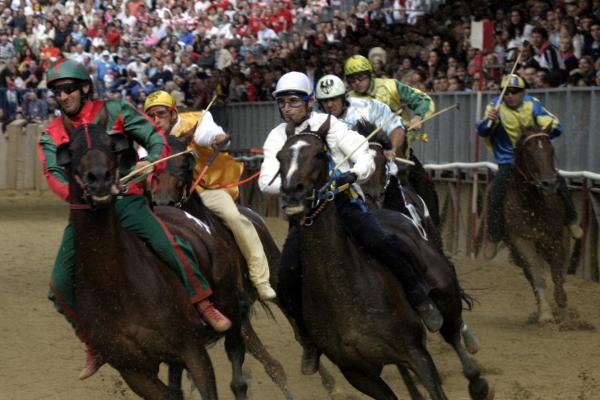
The festival involves various processions, costumes and historical reenactments that reflect the city’s medieval heritage. On the day of the race, a long historical parade, with more than a thousand participants in the dress of medieval nobles, knights, ladies, drummers and flag-throwers, winds through the streets to the square, led by representatives of each team, and the sound of drums and trumpets fills the air. Then the horses, ridden bareback by jockeys, race around the sand track in front of crowds packed into the stands and the windows of the buildings. The race is short and violent, with falls not unusual, and the horses are chosen and drawn by lot among the teams. Visitors can experience the vibrant atmosphere of Asti during this time, with the city center decorated and filled with locals and tourists alike.
It is advisable to check local tourism resources for current schedules and ticket information, since seats in the stands, which look on to the square, are sold in advance and sell out early, while a few places on the edge of the track can be found free. The week before the Palio, called the Settimana del Palio, is full of events, including a food festival of the villages, the Douja d’Or wine festival and the Festival delle Sagre, in which local village groups cook traditional dishes in the old streets, so a visit to Asti in the first half of September gives a good picture of Piedmontese life.
Exploring the Palio di Asti offers insight into the region’s historical traditions and community spirit. It is an essential stop to appreciate the cultural legacy of Piedmont. The combination of historical depth and festive energy makes it a memorable destination. It complements visits to other landmarks in Asti, such as the Collegiate Church of San Secondo and the historic center, with its medieval towers, providing a view of the city’s identity. Outside Palio week, Asti is known for its wines, especially the sparkling sweet Asti and the red Barbera.
Categories
More photos coming soon
Nearby Attractions
Other places to visit in Asti
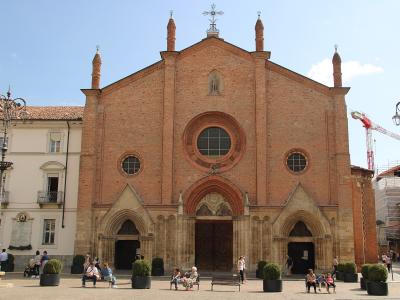
Cattedrale di San Secondo
13th-century church housing the patron saint's remains
Free Architectural Monuments · Cultural Tours
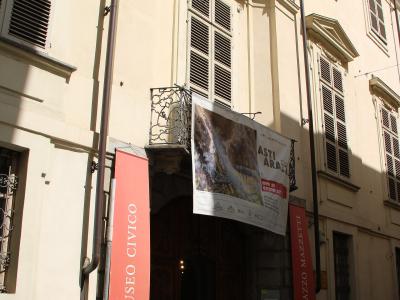
Palazzo Mazzetti
18th-century palace housing civic art and archaeology
History & Heritage · Museums & Culture
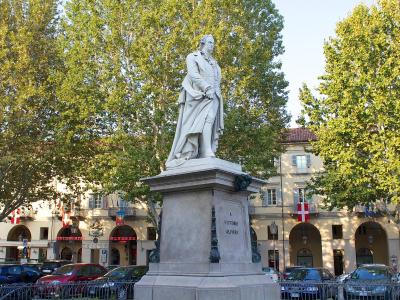
Piazza Alfieri
Asti's main square and home of the Palio
Historic Districts · Historic Palaces
Questions people ask
Quick Facts
Best Time to Visit
Visit between April and June or September and October for mild temperatures and fewer crowds.