
The High-Speed Showdown: Frecciarossa vs. Italo
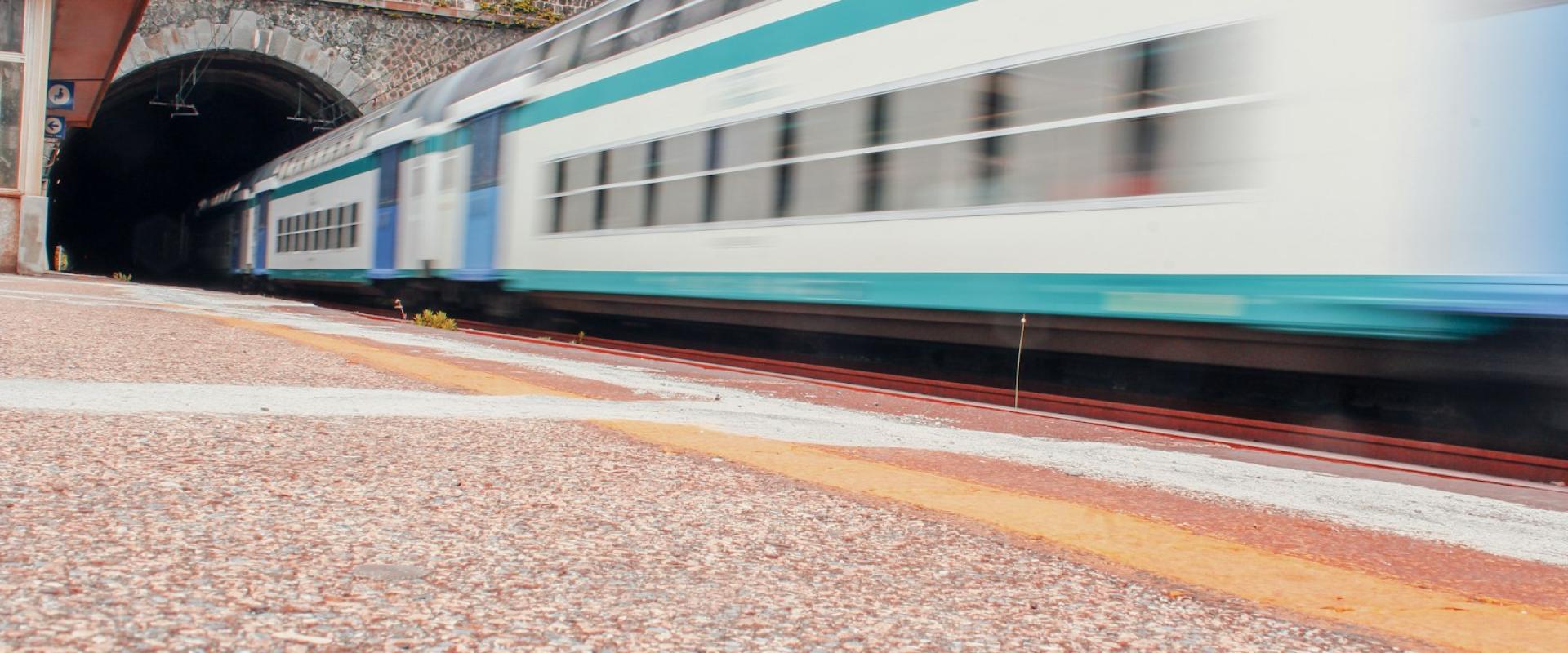
Navigating Italy’s rail network often feels like standing at a crossroads between heritage and innovation. The choice typically boils down to Trenitalia’s Frecciarossa and Italo’s private competitor. Both operators sprint at 300 km/h, linking Rome, Florence, and Milan with impressive velocity. Yet, their philosophies diverge sharply. Frecciarossa boasts a sprawling network that penetrates deeper into smaller towns, serving as the backbone of national connectivity. Italo, conversely, focuses on major hubs, offering sleek, futuristic trains equipped with intuitive touchscreens and diverse class options ranging from Standard to Business.
I once booked a Frecciarossa ticket for roughly €40 on the Rome-to-Florence route. The experience was defined by spacious seating and reliable Wi-Fi, reflecting a traditional, established service that feels like an extension of the country’s history. Italo’s contemporary vibe stands in stark contrast. Its tech-forward amenities and aggressive pricing on popular routes appeal to the modern traveler who values efficiency over nostalgia. The service differences are subtle but distinct. One feels historic; the other feels inevitable.
Prices fluctuate wildly based on demand. Securing the best rates requires booking early. Check both operators for real-time availability. This ensures a smooth journey across the peninsula. Your specific route and budget ultimately dictate the winner.
Regional Rails and the Stamp of Doom
Locals sprint for the Regionale trains because these humble workhorses connect Bologna’s bustling Mercato delle Erbe to quiet Apennine villages where truffles hide beneath the soil. Unlike the high-speed Frecciarossa or private Italo services that demand advance booking, regional tickets offer unmatched flexibility. You can purchase your fare on the day of travel without fearing price hikes, making them ideal for spontaneous detours toward the coast or mountains.
However, one strict rule applies to every passenger, regardless of tourist status: you must validate your paper ticket before boarding. The famous "stamp of doom" is real. Yellow validation machines stationed on platforms crunch your ticket with a mechanical snap. Skip this step, and conductors will fine you up to €80 for traveling without a valid ticket. It is a non-negotiable part of the rhythm of Italian travel.
This simple action keeps the system running smoothly for everyone. Regional tickets do not require reserved seats, allowing you to hop on any train heading toward the hills. Enjoy the slow, scenic journey at a fraction of the cost. Just remember to stamp first, or pay the penalty.
Hub Hopping: Termini and Centrale Chaos
Rome’s Termini and Milan’s Centrale are sprawling mazes that demand your full attention. You will navigate vast concourses teeming with travelers, so stay alert. Platform assignments often shift without warning, requiring you to check screens constantly rather than trusting your ticket. Arriving forty minutes early allows you to locate your gate and buy a coffee without panic.
Trenitalia’s Frecciarossa trains offer premium comfort, while Italo provides competitive high-speed options on key routes. Regional trains connect smaller towns but move slower, making them ideal for scenic, unhurried journeys. Prices vary significantly; booking high-speed tickets weeks in advance can save you substantial euros compared to last-minute purchases.
The chaos is real, but manageable with patience. Keep your luggage secure and your eyes on the digital boards. This is not a place for dawdling. Embrace the rhythm of Italian travel, even when it feels frantic. Join me next time for another hidden corner of Italy—ciao for now!
Wings vs. Wheels: The Budget Debate
Booking a flight into Milan Malpensa or Venice Marco Polo often feels like a shortcut, yet the final tally frequently reveals a different reality. Budget airlines lure you in with low base fares, only to extract extra fees for carry-ons and overhead bin space. Meanwhile, the taxi ride to the city center can cost as much as the ticket itself, turning a cheap hop into an expensive ordeal.
High-speed rail offers a starkly different experience. Trains from Trenitalia’s Frecciarossa or Italo drop passengers directly into the heart of cities like Rome, Florence, and Bologna. These services zip between hubs in just over two hours, bypassing the tedious security checks and luggage restrictions of air travel. A standard ticket runs around €50, a price that includes comfort and convenience rather than charging for every minor amenity.
For shorter regional trips, the options expand further. Slower trains stop more frequently and cost less, making them ideal for connecting smaller towns. The journey itself becomes part of the experience. You might sip an espresso while watching vineyards roll past the window or trace the rugged lines of the Apennines. This scenic route adds a layer of joy that clouds simply cannot match.
Consider the total cost, not just the advertised fare. When you factor in airport transfers, security waits, and baggage fees, flying often loses its financial advantage. Rail provides a seamless journey without hidden surprises. The stress melts away as you settle into a seat, ready to explore the next destination without rushing.
Ciao for Now: Your Journey Begins
You stand at the platform, ticket clutched in hand, ready to dive into Italy’s rail network. Trenitalia’s vast web connects the countryside, while Italo’s sleek, private lines zip between major cities. To keep costs down, purchase regional fares early; those small savings add up quickly over a long trip. Always carry your ID, as inspectors roam the aisles with precision and little patience for excuses. Let curiosity guide your route rather than a rigid itinerary. I will share another hidden gem next time. Ciao for now.