







- Admission
- Free entry
- Hours
- Open all day
- Where
- Pienza, Tuscany
- Directions
- Directions
Piazza Pio II is the central square of Pienza, a small hill town in the Val d'Orcia, in Tuscany, and it is a rare example of Renaissance town planning in Tuscan style carried out in a single burst. The square was commissioned by Pope Pius II, born Enea Silvio Piccolomini in 1405 in the village of Corsignano, which stood on this spot. When he became pope in 1458, he decided to transform his birthplace into an ideal city, and he engaged the Florentine architect Bernardo Rossellino, who rebuilt the centre of the village between 1459 and 1462. The village was renamed Pienza, from his papal name, and it is a unique monument to one man's vision.
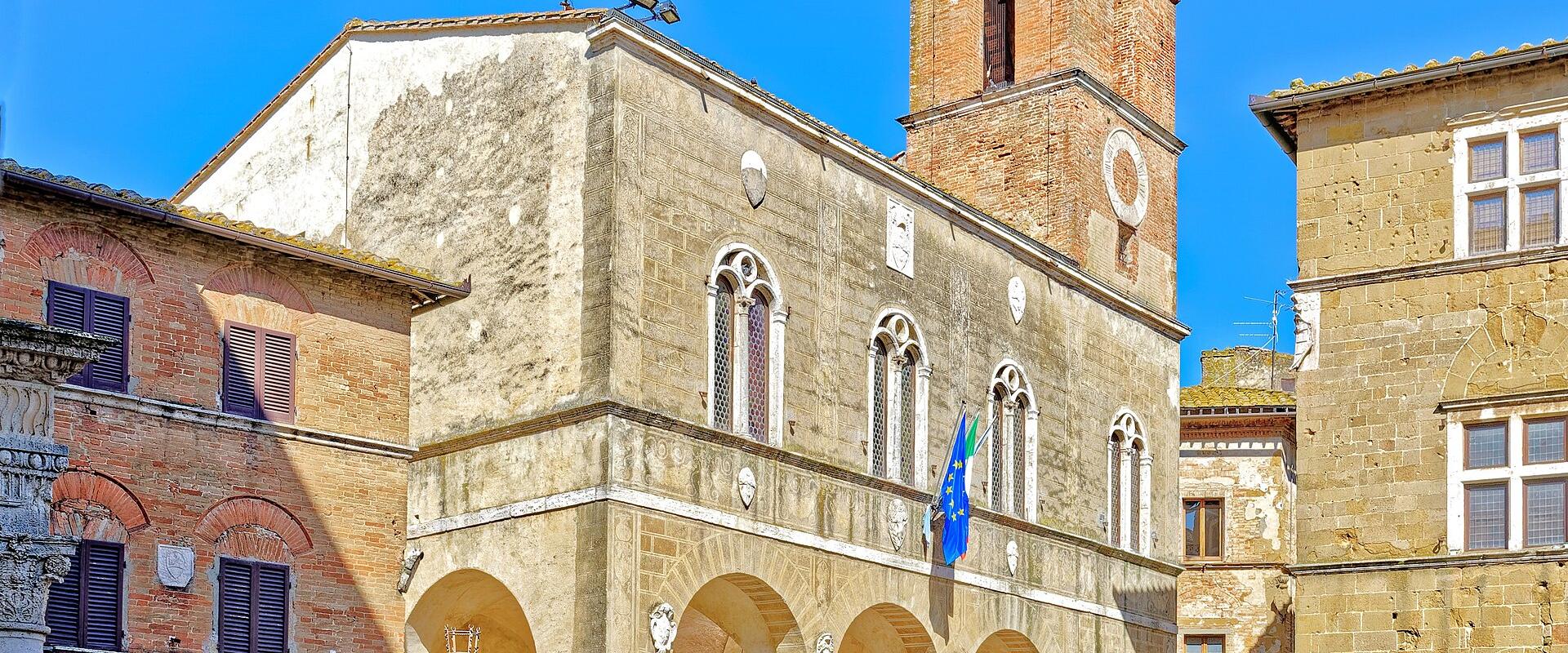
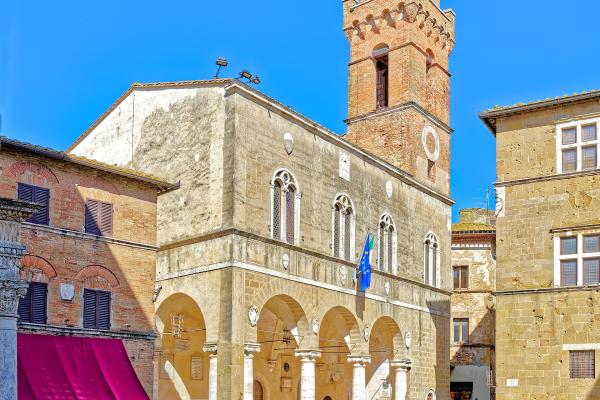
The square is small and trapezoid in shape, and it is surrounded by four key buildings. The Cathedral of Santa Maria Assunta, with its Renaissance facade of pale travertine, forms the main side, and behind the classical front the interior is built as a Gothic hall church, with tall, light-filled aisles, reflecting the pope's admiration for German churches he had seen on his travels. Beside it stands the Palazzo Piccolomini, the pope's family palace, modelled on the Palazzo Rucellai in Florence, with a rear loggia and garden overlooking the Val d'Orcia. The Palazzo Vescovile, the bishop's palace, and the Town Hall, with its small tower and open ground-floor arcade, complete the group.
The proportions of the square are carefully measured, and the paving, in a pattern of rectangles, leads the eye toward the facade of the cathedral, which seems to open a view onto the landscape. A well in the square, with a decorated canopy, completes the effect. The piazza represents the pinnacle of Renaissance urban planning, where architecture, art and landscape are integrated into a unified whole. The Renaissance-style square was an influence on later town planning in Europe.
Visitors can admire the elegant architecture and enjoy the panoramic views of the Val d'Orcia from the lanes beside the square, especially from the Belvedere, a terrace at the edge of town. The surrounding valley is a UNESCO World Heritage landscape of cypress-lined roads and rolling hills. The town is also known for its pecorino cheese, which is sold in shops along the main street, Corso Rossellino.
The square is open all day, with free entry, and visitors are advised to allow one to two hours for exploration. Accessible by public transport or car from Siena or Florence, the town is best explored on foot, and the nearby cafes and restaurants offer local cuisine. Exploring the interiors, including the Palazzo Piccolomini, requires separate tickets. Pienza’s quiet streets are at their best in the early morning and the evening.
Categories
More photos coming soon
Hours & Fees
- Open
- Open all day
- Admission
- Free entry
Hours and prices change, especially out of season. Check with the venue before you go.
Nearby Attractions
Other places to visit in Pienza
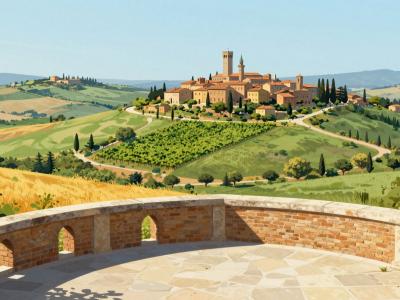
Belvedere di Pienza
Outdoor viewpoint overlooking Tuscan hills
Free Hillside Trails · Scenic Viewpoints
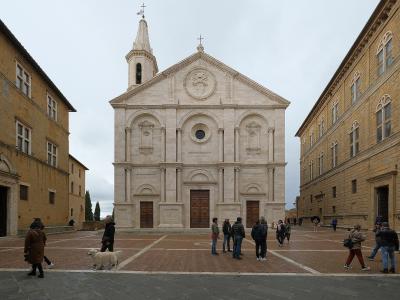
Cathedral of Santa Maria Assunta
Renaissance cathedral with tripartite travertine facade
Architectural Monuments · Cultural Tours
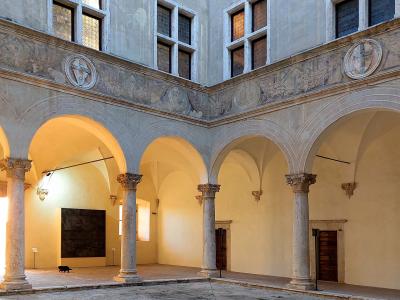
Palazzo Piccolomini
15th-century Renaissance palace built for Pope Pius II
Art Museums · Historic Palaces
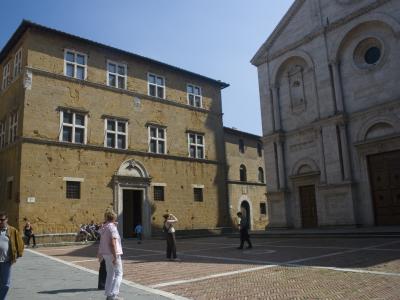
Palazzo Vescovile
Diocesan Museum housing medieval Sienese art
Cultural Tours · Historic Palaces
Questions people ask
Quick Facts
Best Time to Visit
Visit between April and June or September and October for mild temperatures and fewer crowds.