




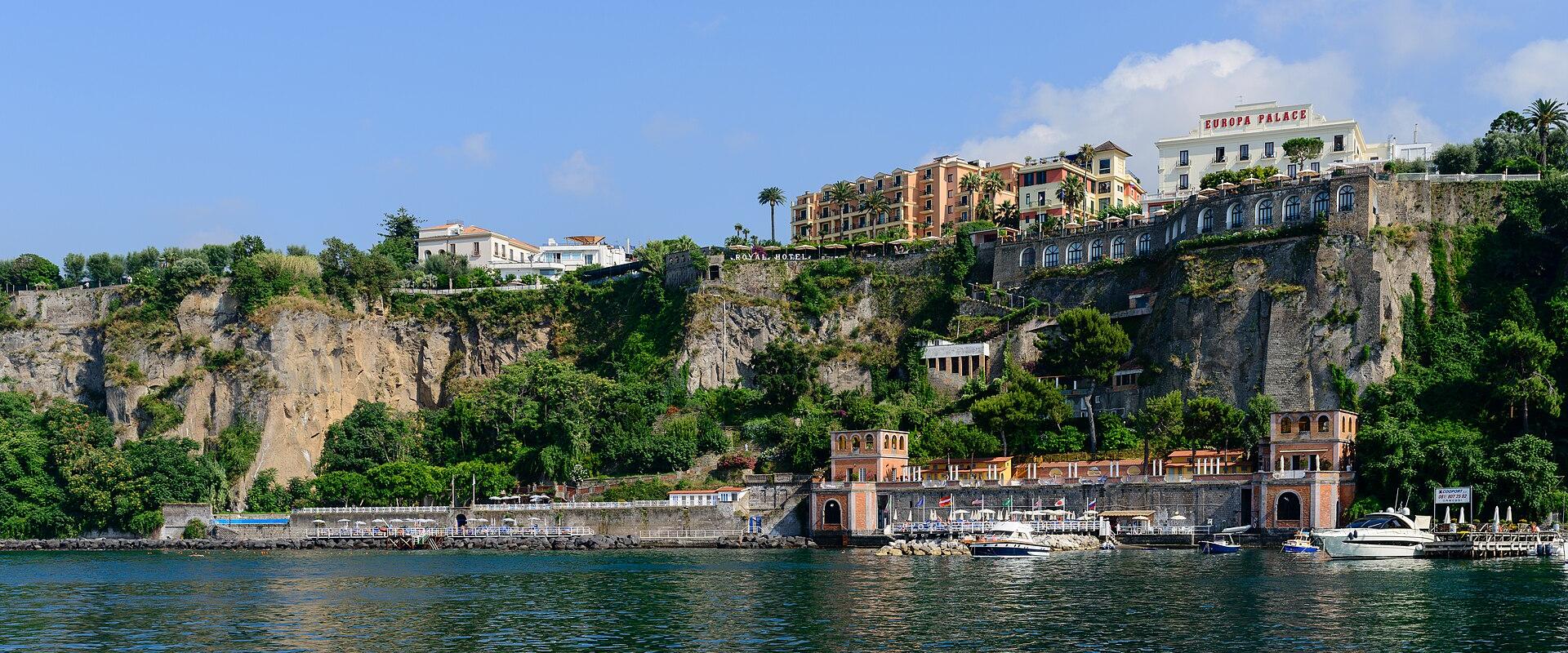
Sorrento
Clifftop town in Campania known for lemon groves and Amalfi Coast access
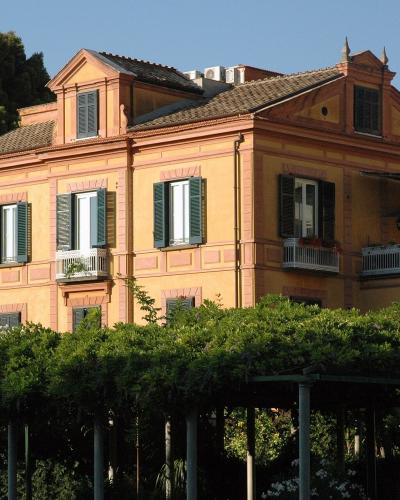
Sorrento’s history stretches back to the 6th century BC when it was founded by Greek colonists from Cumae, naming it Surrentum. The city thrived under Roman rule, becoming a favored retreat for wealthy Romans, including Cicero and Pliny the Younger, who were drawn to its mild climate and scenic beauty. The ruins of Roman villas and mosaics can still be found in the area. During the Middle Ages, Sorrento faced invasions from Saracens and Lombards, leading to the construction of defensive towers and fortifications. In the 19th century, the town experienced a renaissance as a destination for European aristocrats and artists, who built elegant villas and gardens. This era left a lasting architectural legacy, with many grand hotels and residences still standing today. The town’s economy has long been tied to agriculture, particularly lemon cultivation, and maritime activities, including fishing and boat building.
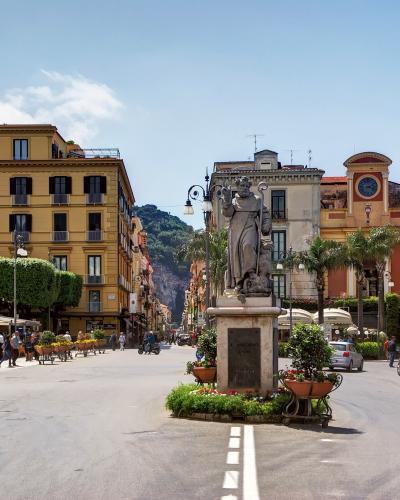
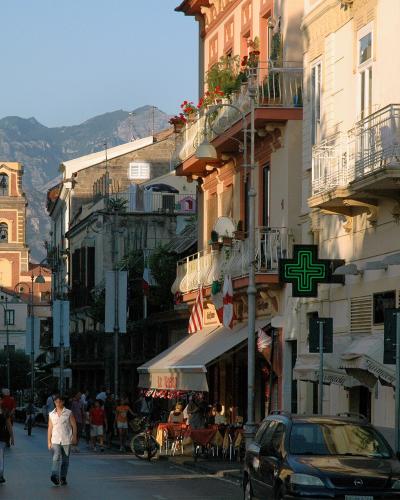
The main attractions in Sorrento are centered around its historic center and coastal views. Piazza Tasso is the heart of the town, surrounded by cafes, shops, and the Church of San Francesco. The Cathedral of Sorrento, located on Corso Italia, houses relics of Saint John the Baptist and features a mix of architectural styles. The Villa Comunale, or Municipal Garden, offers panoramic views of the Bay of Naples and Mount Vesuvius. The Museum of Ceramics displays traditional Sorrento pottery, while the Museum of Limoncello provides insight into the production of the local liqueur. The town is also known for its artisan workshops, where visitors can observe the intricate process of wood inlay, a craft that has been practiced in Sorrento for centuries. For those interested in history, the nearby archaeological site of Pompeii is easily accessible, offering a glimpse into Roman life preserved by the eruption of Vesuvius in 79 AD.
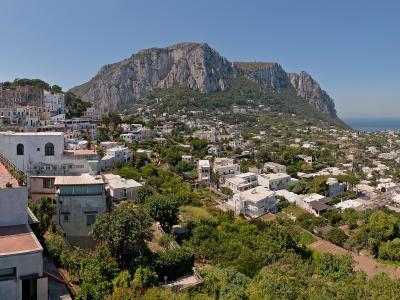
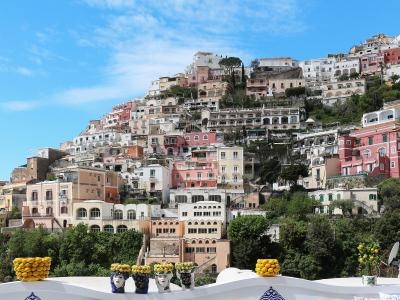
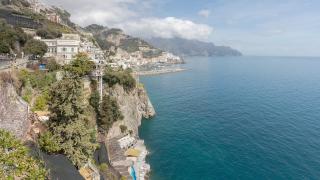
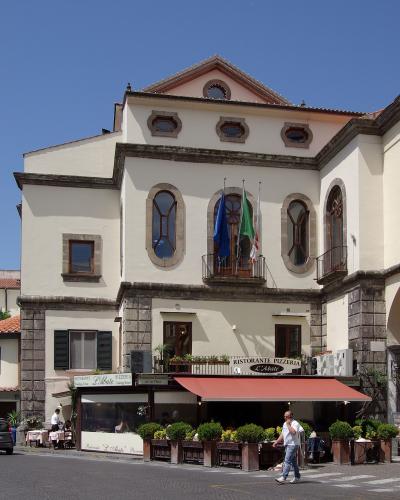
Activities in Sorrento range from leisurely strolls to adventurous excursions. Visitors can take boat trips to the island of Capri, exploring the Blue Grotto and the Faraglioni rocks. The Amalfi Coast is just a short drive or bus ride away, with stops in Positano, Amalfi, and Ravello. Hiking trails along the cliff tops offer stunning views and access to secluded beaches. The town’s restaurants serve fresh seafood and local specialties, including pasta with seafood sauce and fried fish. Shopping in Sorrento includes leather goods, ceramics, and Limoncello. For a more relaxed experience, visitors can enjoy the thermal baths in nearby towns or take a cooking class to learn traditional Italian cuisine.
Getting to Sorrento is convenient via road and rail. The town is connected to Naples by the Circumvesuviana railway, with frequent trains from Napoli Porta Nolana or Napoli Centrale. The journey takes about an hour. Buses also run regularly between Naples and Sorrento. For those traveling by car, the A3 motorway connects Naples to Salerno, with exits for Sorrento. The best time to visit Sorrento is from April to June or September to October, when the weather is mild and pleasant, ideal for outdoor activities and sightseeing. July and August are peak tourist months, with higher temperatures and larger crowds. Winter is mild but can be rainy, with some tourist facilities having limited hours. Despite the seasonal variations, Sorrento remains a captivating destination year-round, offering a unique blend of history, culture, and natural beauty.
Best Time to Visit
Visit between April and June or September and October for mild temperatures and fewer crowds.
Did you know?
Interesting, verified facts about Sorrento
Politicians Born in Sorrento
Notable PersonSorrento is the birthplace of several notable Italian political figures, including Francesca Tizzano, Dhea Sodano, and Debora Castellano.
Source: external sourcePlan Your Visit to Sorrento
Essential travel tips and information for your trip to Sorrento.
Suggested Itineraries
Travel Tips
Currency
EUR • Cards widely accepted
Language
Italian • English in tourist areas
WiFi
Free WiFi in cafes and hotels
Explore Sorrento by Interest
Discover attractions and experiences in Sorrento organized by your interests and travel preferences.






All attractions in Sorrento
Sorted by our recommendation score


Quick Facts
Book your stay
Frequently Asked Questions
More destinations in Campania and Amalfi Coast
Explore other amazing places in the Campania and Amalfi Coast region