








- Where
- Sorrento, Campania and Amalfi Coast
- Directions
- Directions
The Sorrento Cathedral, officially the Cattedrale dei Santi Filippo e Giacomo, is a Roman Catholic cathedral on Via Santa Maria della Pietà in Sorrento, Italy, a short walk from Piazza Tasso in the old center. It is the seat of the Archbishop of Sorrento-Castellammare di Stabia, a status it has held since 1986, when the dioceses were united. The cathedral is dedicated to Saints Philip and James, the apostles whose feast is celebrated together, and it is a significant religious landmark in the town. Sorrento is an ancient bishopric, with a Christian community established early, and the cathedral has been the center of religious life in the town for many centuries.
The cathedral is a central place of worship and a key site for local religious life. Because few specific details can be confirmed here, the account below leans on the cathedral’s setting and the traditions of the area rather than describing particular works of art. The cathedral has medieval origins, and like many churches of the Sorrentine peninsula it has been rebuilt and redecorated several times. Its facade is bright and colorful, painted with images of the patron saints, and a bell tower rises beside it. Inside, the church has a nave with side chapels, and Sorrento is famous for a local craft that may appear in churches of the town, intarsia, the art of inlaid woodwork, in which wood of different colors is cut into pictures and patterns, used for choir stalls, doors and furniture.
Visitors are advised to check local tourism resources or the official diocesan website for current schedules, particularly if planning to attend Mass or view the interior during non-liturgical hours. The cathedral is an active church, with regular services, weddings and celebrations, and its feast days are marked by processions through the town’s streets, particularly on Saint Antoninus’s feast day in February, the town’s patron saint, whose basilica stands nearby. Visitors are advised to dress modestly when visiting and to respect the quiet atmosphere of the sacred space.
Exploring the Sorrento Cathedral offers insight into Sorrento’s spiritual heritage. It is an essential stop to appreciate the region’s cultural legacy. The combination of historical depth and religious significance makes it a memorable destination. It complements visits to other landmarks in Sorrento, such as Piazza Tasso, the town’s main square, with its statue of the poet Torquato Tasso and its cafes, the Villa Comunale park, a garden on the cliff edge with views over the Bay of Naples, and the Museo del Correale di Terranova, a museum of decorative arts and paintings housed in an 18th-century villa, providing a view of the town’s identity. The old center, with its narrow lanes, shops selling lemon products and inlaid wood, and small restaurants, is compact and lively, and the cathedral is a quieter corner within it. The cathedral provides a glimpse into the spiritual life of Sorrento, connecting the modern visitor with the town’s long-standing Catholic traditions.
Categories
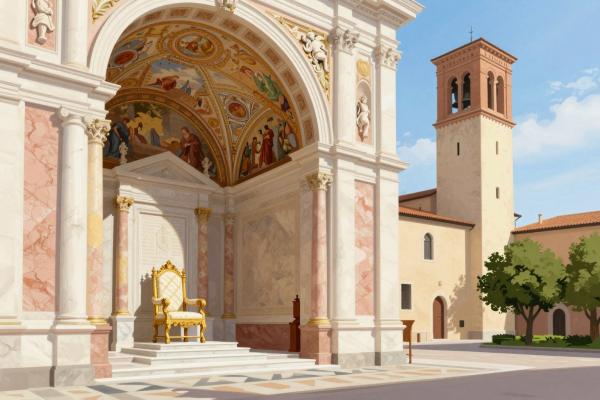
More photos coming soon
Nearby Attractions
Other places to visit in Sorrento

Bagni della Regina Giovanna
Natural sea pool beside a Roman villa ruin on Capo di Sorrento
Free Natural Wonders · Ancient Ruins

Basilica of Sant'Antonino
11th-century basilica of Sorrento's patron, with whale bones
History & Heritage · Historic Churches
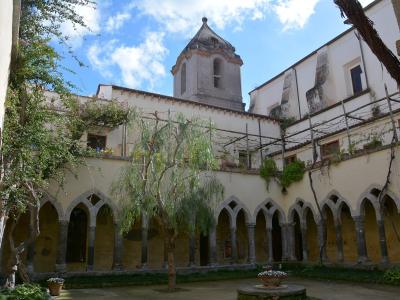
Cloister of San Francesco (Chiostro di San Francesco)
14th-century Franciscan cloister of interlaced tufa arches
Architectural Monuments · Historic Churches

Corso Italia
Main street of Sorrento with shops and beach views
Free City Promenades · Historic Districts
Questions people ask
Quick Facts
Best Time to Visit
Visit between April and June or September and October for mild temperatures and fewer crowds.