







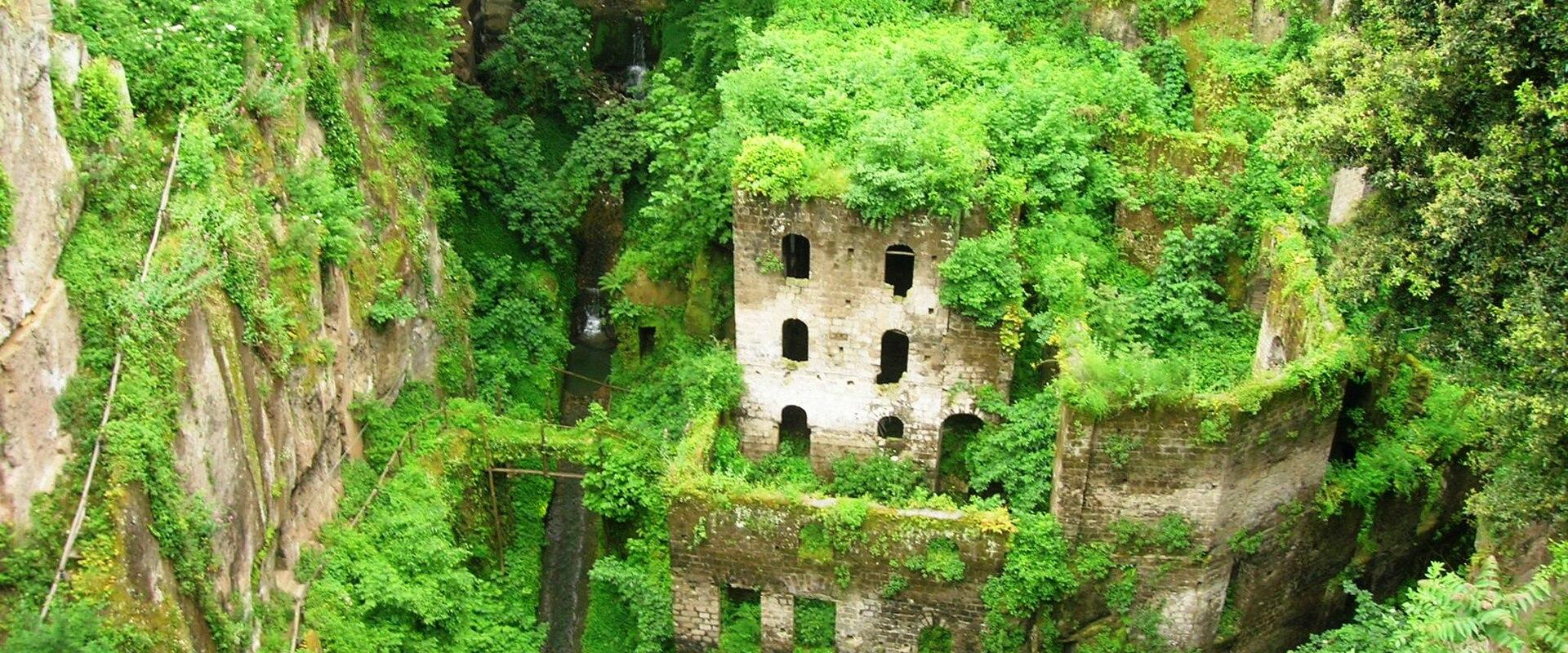
Valley of the Mills (Vallone dei Mulini)
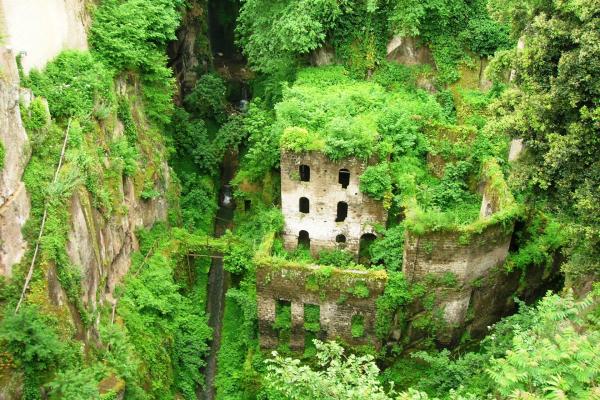
Overgrown gorge with ruined mills, seen from beside Piazza Tasso
- Admission
- Free (viewed from above)
- Where
- Sorrento, Campania and Amalfi Coast
- Directions
- Directions
The Vallone dei Mulini, the Valley of the Mills, is a deep, narrow gorge that opens just behind Piazza Tasso, in the middle of Sorrento. From the railing above, you look down dozens of metres onto the roofless ruins of a mill, half buried in ferns, ivy and trees, a startling sight a few steps from the town's busiest square.
The gorge is a product of volcanic geology. About 35,000 years ago a violent eruption of the Campi Flegrei, the volcanic field west of Naples, covered the Sorrento coast from Punta Scutolo to Capo di Sorrento with a thick layer of volcanic debris, which hardened into tufa. Two small streams cut deep, narrow channels through it on their way to the sea. In Roman times three such valleys ran through Sorrento. This was the central one; the other two were later filled in for roads and buildings.
The valley takes its name from a mill on its floor that used the stream's water to grind wheat for the townspeople. A sawmill nearby worked cherry, olive and walnut wood for local craftsmen, and there was also a public washhouse. The tufa walls were probably quarried, and some of the resulting caves were later used to collect water. In the sixteenth century the land belonged to the Tasso family, and later to the Correale family. Painters, Italian and foreign, came to draw the valley, and their pictures are now the best record of how it once looked.
The decline began in 1866, when the narrow bridge that carried the road over the gorge was replaced by a wider square, today's Piazza Tasso, which filled part of the valley and cut it off from the sea. Without the sea breeze, humidity in the gorge rose to around 80 percent, the water was diverted, and in the early twentieth century the mill and sawmill closed. Since then nature has taken over. The damp, shaded walls now support rare plants, including the hart's tongue fern, along with caper bushes.
The valley floor is private and closed to the public, so the visit is a matter of looking down from above, which takes a few minutes and costs nothing. It suits anyone with an interest in geology, industrial ruins or photography, and it is an easy stop on any walk through the centre.
Categories
More photos coming soon
Admission Fees
- Admission
- Free (viewed from above)
Hours and prices change, especially out of season. Check with the venue before you go.
Nearby Attractions
Other places to visit in Sorrento
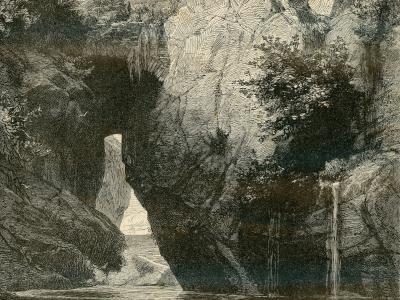
Bagni della Regina Giovanna
Natural sea pool beside a Roman villa ruin on Capo di Sorrento
Free Natural Wonders · Ancient Ruins
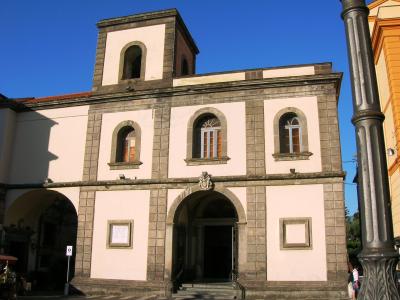
Basilica of Sant'Antonino
11th-century basilica of Sorrento's patron, with whale bones
History & Heritage · Historic Churches
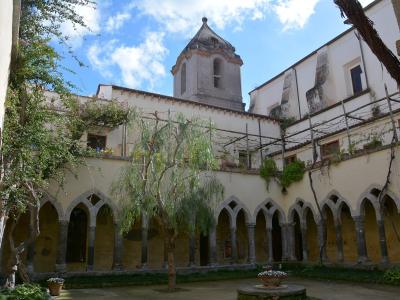
Cloister of San Francesco (Chiostro di San Francesco)
14th-century Franciscan cloister of interlaced tufa arches
Architectural Monuments · Historic Churches
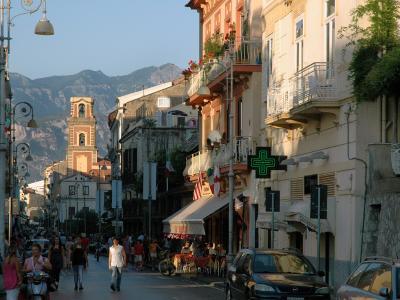
Corso Italia
Main street of Sorrento with shops and beach views
Free City Promenades · Historic Districts
Questions people ask
Quick Facts
Best Time to Visit
Visit between April and June or September and October for mild temperatures and fewer crowds.