







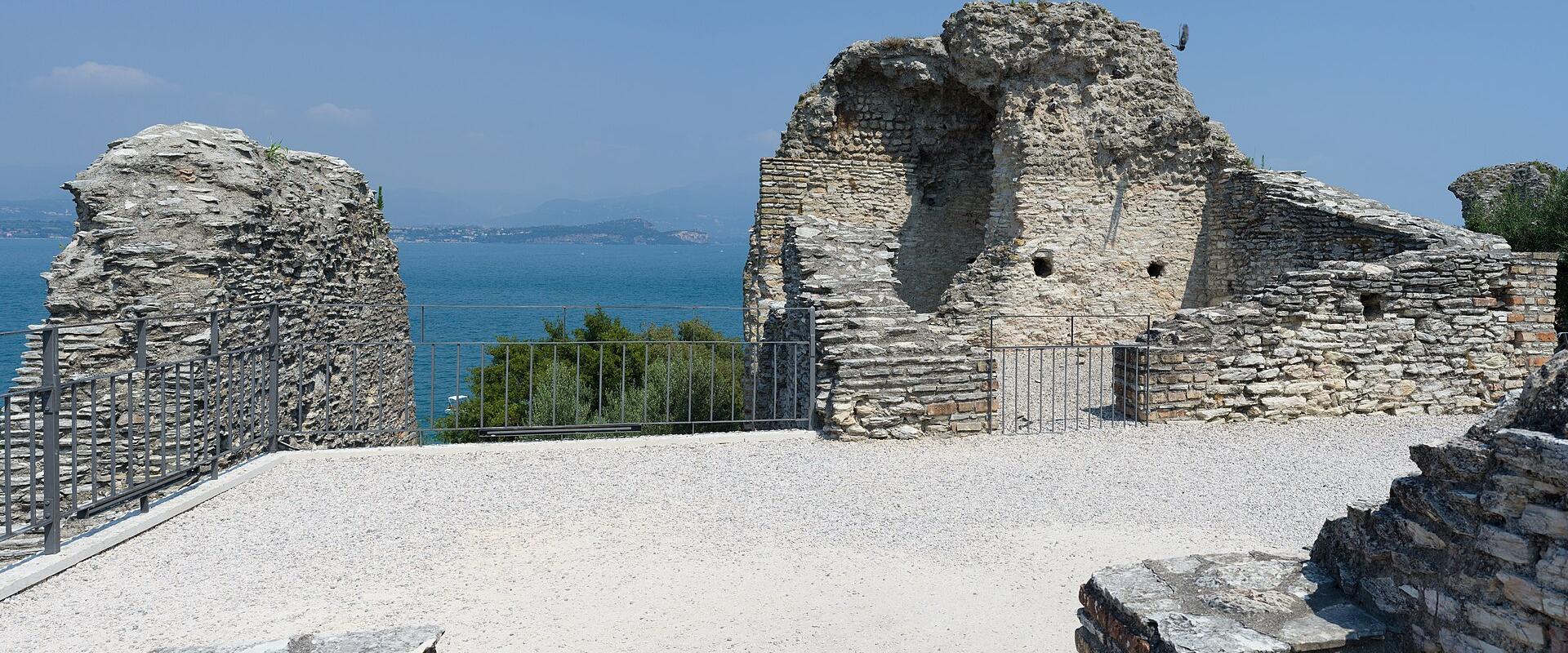
Sirmione’s history spans more than two millennia, beginning with its importance in Roman times. The peninsula was home to some of the most luxurious villas in the Roman Empire, including the Villa di Catullo, one of the largest and best-preserved Roman villas in northern Italy. The ruins, dating from the 1st century BC, give a glimpse of the opulent lifestyle of the Roman elite, and the poet Catullus wrote of his joy in returning to Sirmio. During the Middle Ages Sirmione became a strategic fortress. The Scaliger family, who ruled Verona, built the Scaliger Castle (Castello Scaligero) in the 13th century to defend the peninsula. The castle’s distinctive square tower and fortified walls, surrounded by water, are iconic symbols of the town. In 1405 Sirmione came under the control of the Venetian Republic, which further developed its infrastructure and defences. The town remained part of Venice until 1797, when it passed to the Habsburg Empire. Throughout these periods Sirmione kept its importance as a defensive stronghold and a centre for thermal bathing, using its natural hot springs.
The main attractions are centred on the historical landmarks and the natural beauty. The Scaliger Castle, also called the Rocca Scaligera, is the most prominent feature, with a harbour inside its walls, and visitors can explore its walls, towers, and the museum inside, which holds archaeological finds from the region. The ruins of the Villa di Catullo, also called the Grotte di Catullo, are another key site, with expansive remains of arches, baths, and mosaics set against the lake; the name 'grotte' comes from the way the ruins were once buried and looked like caves. The Grotte di Catullo, a large open-air archaeological site on the tip of the peninsula, give panoramic views of the lake and are a popular spot for photography, and a small museum shows finds. The thermal baths, such as the Terme di Sirmione, continue to attract visitors seeking the health benefits of the mineral-rich sulphur water. The historic centre of Sirmione is a maze of narrow streets lined with shops, cafes, and restaurants, leading to the waterfront, where boats depart for lake tours. The town also has several beaches, both public and private, where visitors can swim and sunbathe, and a small rocky beach near the tip is a favourite for sunsets.
Activities in Sirmione range from historical exploration to leisure and water sports. Visitors can take boat tours around Lake Garda, visiting nearby towns such as Desenzano del Garda and Peschiera del Garda. Cycling is popular, with dedicated paths around the lake. The surrounding hills give hiking trails with views. Dining features local Lombard cuisine, including risotto with lake fish and fresh trout from the lake, and the local white wines, such as Lugana. The town also hosts festivals and events through the year, including the Sirmione Festival, which celebrates music and culture. Shopping includes local products such as olive oil, wine, and handicrafts.
Getting to Sirmione is convenient by road and water. The town is reached by car from major cities such as Milan and Verona, with the A4 motorway giving easy access, and the nearest railway stations are at Desenzano and Peschiera, a few kilometres away, with buses to the peninsula. Parking is available but can be limited in peak season, and the old town is mostly closed to cars. Ferries and hydrofoils connect Sirmione to other towns on Lake Garda, giving a scenic and relaxing way to travel.
The best time to visit Sirmione is from April to June or September to October, when the weather is mild and pleasant, ideal for sightseeing and outdoor activities. July and August are peak tourist months, with higher temperatures and larger crowds. Winter is mild but some tourist facilities may have limited hours. Despite the seasonal variations, Sirmione’s historic charm and natural beauty make it a rewarding destination year-round.
Best time to visit
Visit between April and June or September and October for mild temperatures and fewer crowds.
What to see in Sirmione
Our picks first.
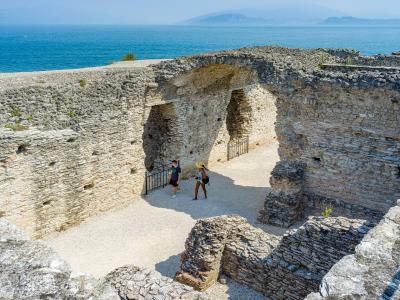
Grotte di Catullo
Roman villa ruins on Lake Garda
From €10 Ancient Ruins · Archaeological Museums
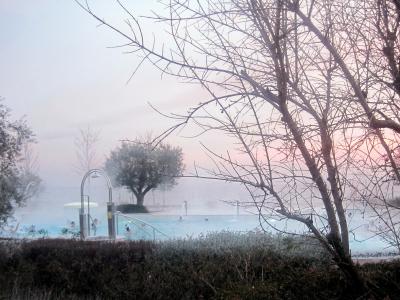
Terme di Sirmione
Ancient Roman thermal springs with sulfurous waters
Lakeside Resorts · Spa & Thermal
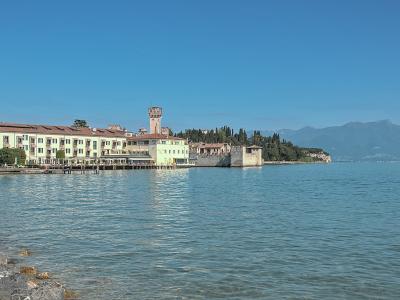
Rocca Scaligera
Best-preserved Scaligeri fortress on Lake Garda
Archaeological Museums · Castles & Fortresses
Sirmione by interest
The same sights, grouped by what you came for.
Did you know?
Checked facts about Sirmione, each with its source.
-
History
Sirmione Was Venetian From 1405 to 1797
Sirmione came under the Republic of Venice in 1405, after the Scaligeri and then the Visconti, and Venice soon strengthened the castle's walls and harbour. Venetian rule lasted until Napoleon brought down the Republic in 1797.
Source: Visit Sirmione
Planning a visit to Sirmione
Itineraries that include Sirmione
Good to know
- Currency
- EUR
- Language
- Italian
Quick Facts
Book your stay
Questions people ask
More places in Lombardy
Lombardy
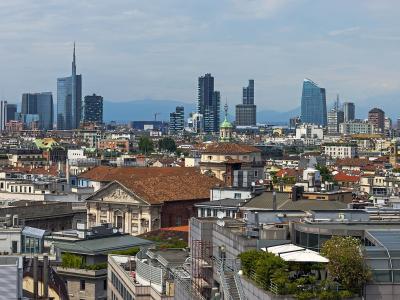
Milan
Global fashion capital with Renaissance art and modern architectural landmarks
Lombardy
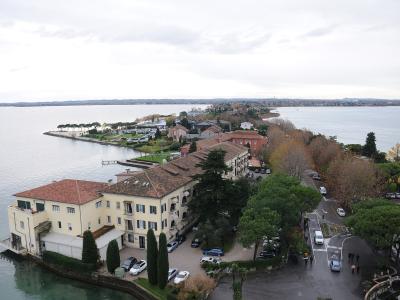
Lake Garda
Italy's largest lake bordered by Alps and Mediterranean climate
Lombardy
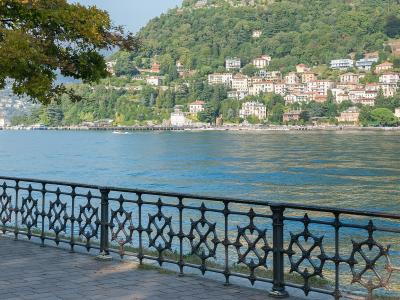
Como
Lakeside city in Lombardy with Alpine views and historic villas
Lombardy
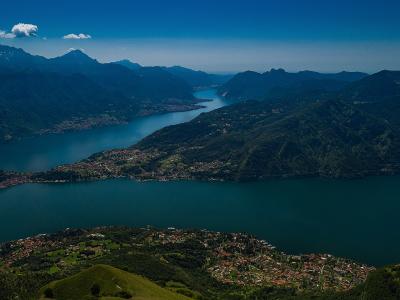
Bellagio
Historic peninsula town on Lake Como known for villas and gardens