







Salerno
Lively Campanian city with medieval cathedral and gateway to Amalfi Coast
Salerno’s history is deeply rooted in its strategic position on the Tyrrhenian Sea. Originally a Greek settlement, then a Roman colony known as Salernum, it was later conquered by the Romans. In the Early Middle Ages, under Lombard rule, Salerno flourished as the capital of the Principality of Salerno, becoming one of the most important cities in Southern Italy. This period saw the establishment of the Schola Medica Salernitana, a renowned medical school that attracted scholars from across Europe and played a crucial role in preserving and advancing medical knowledge during the Middle Ages. The city also developed a strong maritime tradition, serving as a key port for trade and naval power. During the Norman conquest Salerno remained significant, though its political importance gradually shifted to Naples. In 1943 the Allies landed on the nearby beaches, and in 1944 the city served briefly as seat of the Italian government. The city’s medieval centre, with its narrow streets and historic buildings, reflects this layered past. Today Salerno preserves its architectural heritage, including the Cathedral of San Matteo and the castle on the hill, while keeping its role as a major commercial and cultural hub in Campania.
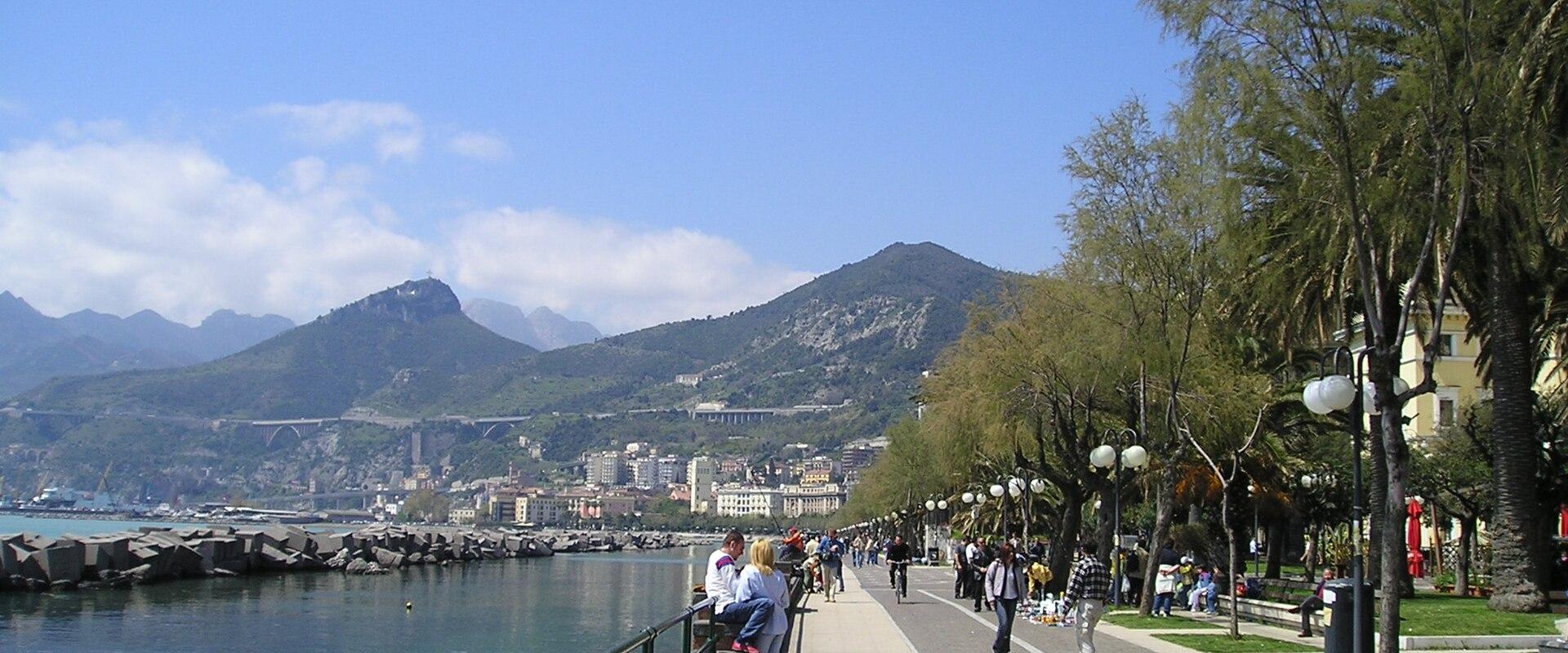
The main attractions are centred on the historic centre and the coastal promenade. The Cathedral of San Matteo, the Duomo di Salerno, is a masterpiece of Romanesque architecture with a fine atrium and bell tower, and houses the tomb of Saint Matthew; its bronze doors are Byzantine and were made in Constantinople. The castle, the Castello di Arechi, is a Lombard fortress high above the city, with views over the Gulf. The historic centre, or 'Borgo,' is a maze of narrow streets lined with medieval palaces, churches, and artisan shops, with the Chiesa di San Pietro a Corte, an early church with archaeological remains, among its sights. The Giardino della Minerva is a terraced botanical garden of medicinal plants, said to be a descendant of the medical school's garden. The Lungomare Trieste, a long seaside promenade, is ideal for walking and offers views of the sea and the Amalfi Coast. The city also has the Museum of the History of Medicine, in the former hospital of the Schola Medica, the Museo Archeologico Provinciale, the Museo Diocesano, and the Palazzo di Città, the town hall. The Teatro Verdi is a 19th-century theatre, the Villa Comunale is the main public garden, and the Salerno Maritime Terminal is the busy port for ferries. The nearby Amalfi Coast villages, such as Amalfi, Positano, and Ravello, are easily accessible from Salerno.
Activities in Salerno include exploring the historic centre, visiting museums, and enjoying the local cuisine. The city is known for traditional Campanian dishes, including fresh seafood, pasta with sardines, and wines such as Fiano di Avellino, and for the fresh mozzarella of the surrounding plain. Visitors can take guided tours to learn about the history of the Schola Medica and the medieval period. The surrounding area offers hiking, including the Path of the Gods farther along the Amalfi Coast, and the archaeological site of Paestum, with its Greek temples, to the south. Salerno also hosts festivals and events through the year, including the Feast of Saint Matthew in September, and the winter light installations known as the Luci d'Artista. Shopping includes local ceramics, textiles, and food products. For those interested in history, guided tours explore the Lombard and Norman heritage of the city.
Getting to Salerno is convenient by rail and road. The city is well connected by train from Naples, with frequent services taking approximately 40 minutes on fast trains. By car, the A3 motorway provides easy access from Naples and Reggio Calabria. The nearest airport is Salerno Costa d'Amalfi Airport, about 10 kilometres away, with a limited list of flights.
The best time to visit Salerno is from April to June or September to October, when the weather is warm and pleasant, ideal for outdoor attractions and historic sites. July and August are peak tourist months, with higher temperatures and larger crowds. Winter is mild but can be windy. Despite the seasonal variations, Salerno’s rich history and coastal beauty make it a rewarding destination year-round.
Best time to visit
Visit between April and June or September and October for warm weather and fewer crowds.
What to see in Salerno
Our picks first.
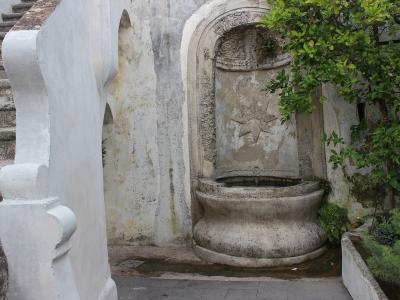
Giardino della Minerva
Historic botanical garden of the Salerno Medical School
From €2 Botanical Gardens · Educational Sites
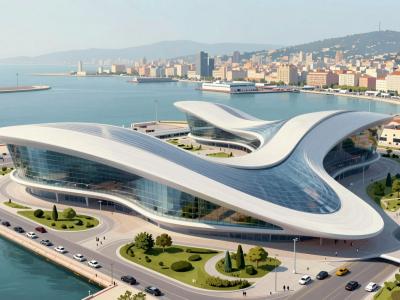
Salerno Maritime Terminal Area
Zaha Hadid-designed maritime terminal in Salerno
Coastal & Maritime · History & Heritage
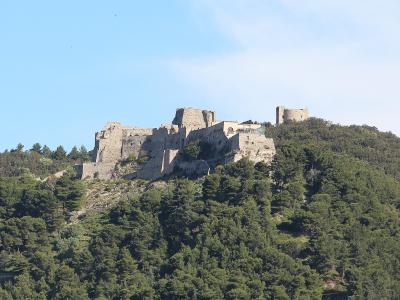
Castello di Arechi
Medieval fortress, natural park, and museum in Salerno
Castles & Fortresses · Cultural Tours
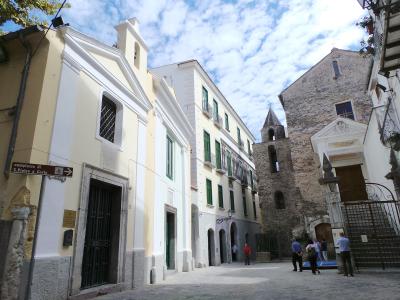
Chiesa di San Pietro a Corte
Lombard church over Roman baths
Ancient Ruins · Archaeological Museums
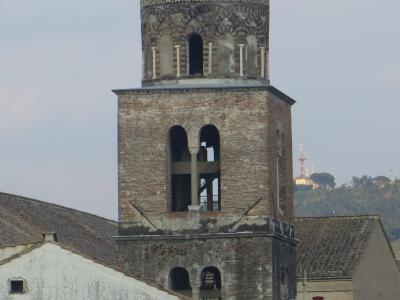
Duomo di Salerno
Romanesque cathedral housing St. Matthew's relics
Architectural Monuments · Historic Churches
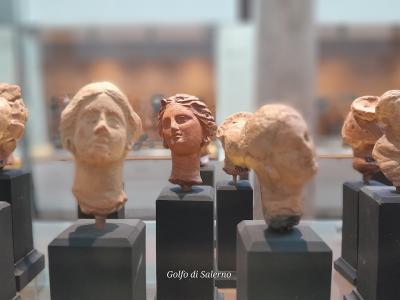
Museo Archeologico Provinciale
Roman-era finds in former San Benedetto monastery
Archaeological Museums · Historic Palaces

Palazzo di Città
1930s Fascist-style city hall with marble halls
Architectural Monuments · Cultural Centers
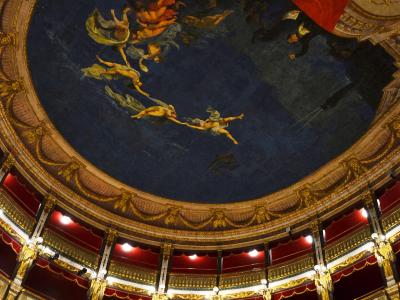
Teatro Verdi
1872 opera house with Morelli's historic curtain
From €2 History & Heritage · Museums & Culture
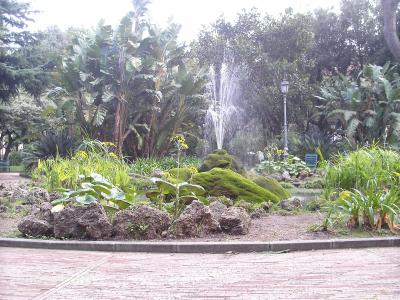
Villa Comunale
19th-century botanical garden with statues and fountains
Botanical Gardens · City Promenades
Salerno by interest
The same sights, grouped by what you came for.
Did you know?
Checked facts about Salerno, each with its source.
-
History
Salerno's Medieval Medical School Was Famous Across Europe
The Scuola Medica Salernitana made Salerno a famous centre of medicine in its golden age, from the 10th to the 13th century, and its health manual, the Regimen Sanitatis Salernitanum, spread its name worldwide. Its story is told at the Museo Virtuale della Scuola Medica Salernitana in the former church of San Gregorio, Via dei Mercanti 74.
Source: MuseiOnline.info
Planning a visit to Salerno
Good to know
- Currency
- EUR
- Language
- Italian
Quick Facts
Book your stay
Questions people ask
More places in Campania and Amalfi Coast
Campania and Amalfi Coast
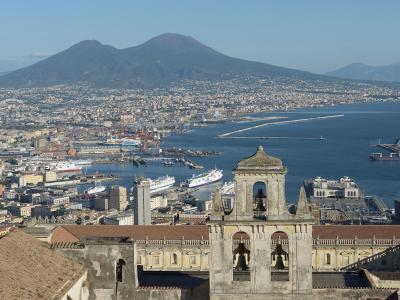
Naples
Vibrant Neapolitan city with UNESCO heritage, pizza origins, and Vesuvius views
Campania and Amalfi Coast
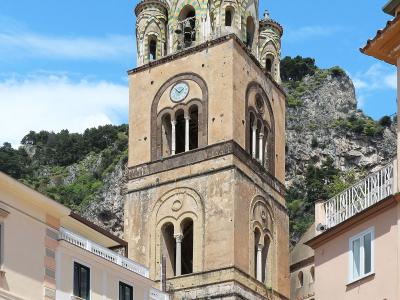
Amalfi
Historic maritime republic on the Amalfi Coast with dramatic cliffs
Campania and Amalfi Coast
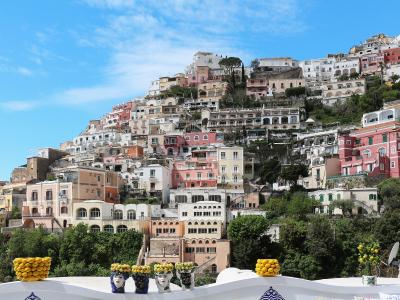
Positano
Iconic Amalfi Coast village with cascading pastel buildings and cliffs
Campania and Amalfi Coast
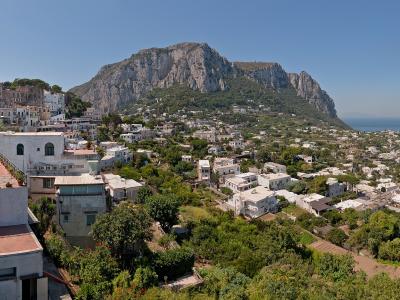
Capri
Iconic Italian island with Blue Grotto, dramatic cliffs, and luxury resorts