







- Where
- Salerno, Campania and Amalfi Coast
- Directions
- Directions
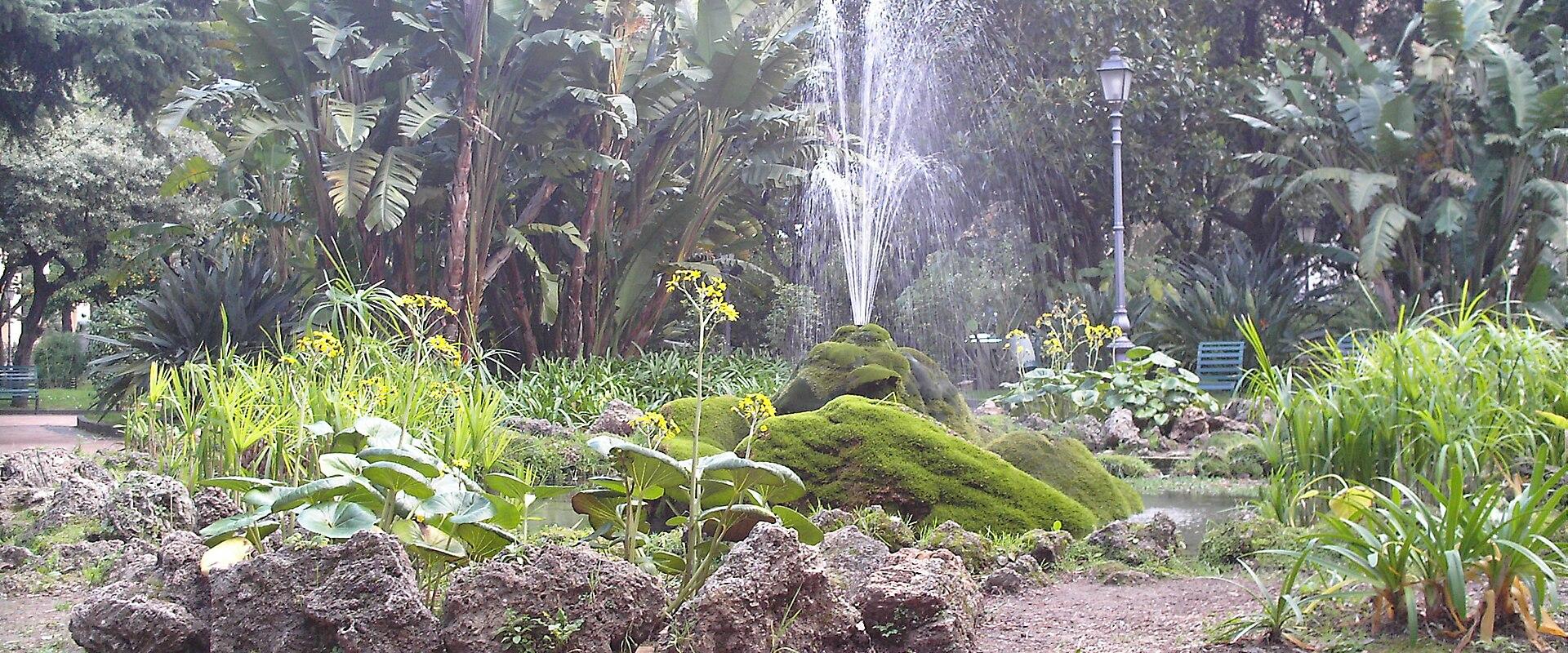
Villa Comunale in Salerno is the city’s most prominent public garden, designed by the architect Casalbore and inaugurated in 1874, a green space beside the seafront in the center of town. Created following the unification of Italy, it is a symbol of the emerging post-unification class and functions as an expansion of the city’s historic walls, a place where the new middle class of the young kingdom could stroll, meet and be seen, in the manner of the public gardens that were being laid out in cities across Italy. Located at the entrance from Vietri sul Mare, the park is closely connected to the eclectic Municipal Theatre, which was inaugurated in 1872 and is now named after Giuseppe Verdi, the Teatro Verdi, a building in the neo-Baroque style with a decorated facade, a short distance from the park’s gates.
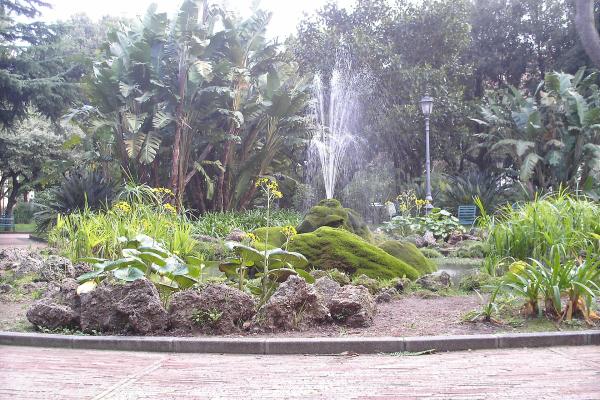
The layout features tree-lined avenues, curvilinear paths, flowerbeds, statues and fountains, retaining the tranquil, austere atmosphere of the post-Risorgimento period. The paths curve through the garden in the style of the English landscape garden, rather than the straight lines of a formal Italian one, and they pass beneath tall palms, plane trees and holm oaks that give shade in summer. A central highlight is the Fontana di Esculapio, also known as the Fontana di don Tullio. This fountain was built in 1790 and donated by a wealthy local resident, and its name recalls Asclepius, the god of medicine, a reference to the city’s fame as the seat of the Scuola Medica Salernitana, the medieval medical school, which was the most important in Europe in the Middle Ages. Busts and statues around the park honor local figures and national heroes.
The park also functions as a botanical garden, containing rare plants that add to its natural beauty, among them exotic palms and other species labeled for visitors, a link to the long tradition of medicinal plant gardens in Salerno, such as the Giardino della Minerva, a terraced garden in the old town where the medieval school grew herbs. Benches along the paths give places to sit, and the park is a favorite with families, students and older residents, who gather here to talk and play cards in the afternoon.
As a public space, Villa Comunale is accessible to visitors at all times, with no admission fees. It offers a peaceful retreat from the bustling city center, allowing guests to stroll along its paths and admire the sculptures and greenery. In winter, the park is part of the city’s Christmas lights display, Luci d’Artista, which brings crowds to the streets of Salerno, and during the festival, the trees and the gardens are decorated with installations. Exploring the villa offers insight into Salerno’s 19th-century urban development and cultural identity.
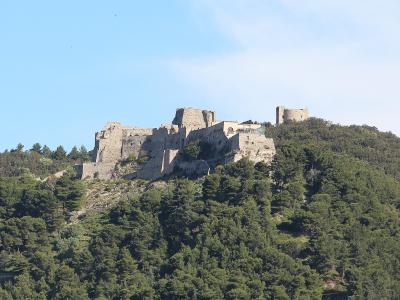
It is an essential stop to appreciate the city’s blend of historical architecture and natural scenery. The combination of botanical significance and historical context makes it a meaningful destination. It complements visits to other landmarks in Salerno, such as the Cathedral and the Provincial Archaeological Museum, providing a view of the region’s heritage. The seafront promenade, the Lungomare Trieste, runs beside it, and the Castello di Arechi, the medieval castle on the hill above the town, can be seen from the park on a clear day.
Categories
More photos coming soon
Nearby Attractions
Other places to visit in Salerno
Castello di Arechi
Medieval fortress, natural park, and museum in Salerno
Castles & Fortresses · Cultural Tours
Chiesa di San Pietro a Corte
Lombard church over Roman baths
Ancient Ruins · Archaeological Museums
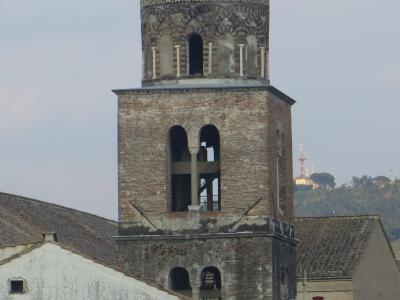
Duomo di Salerno
Romanesque cathedral housing St. Matthew's relics
Architectural Monuments · Historic Churches
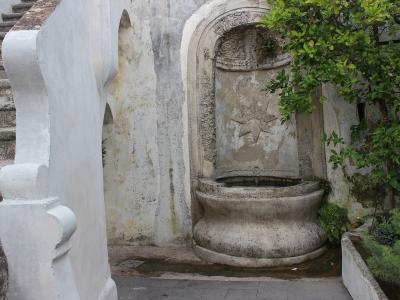
Giardino della Minerva
Historic botanical garden of the Salerno Medical School
From €2 Botanical Gardens · Educational Sites
Questions people ask
Quick Facts
Best Time to Visit
Visit between April and June or September and October for warm weather and fewer crowds.